
You might be wondering, “what is a claims adjuster?” Maybe you’ve just filed an insurance claim, or perhaps you’re just curious about this role within the insurance industry. It’s a common question because these individuals play a huge part when things go wrong and you need help from your insurance.
Understanding exactly what a claims adjuster does is important. This knowledge helps you know what to expect during the claims process. You’ll learn about the people who evaluate insurance claims and how they operate.
This breakdown explains everything about the job, from their core duties to the different types you might encounter. We aim to clarify the answer to “what is a claims adjuster” and give you confidence in handling your insurance matters.
Get help with repairs, contracting, and insurance claims
I’m John Morgenstern, a licensed California Public Adjuster. If you need help with repairs, or contracting, or have questions about the insurance claims process, I’m here to guide you every step of the way. Call our 24/7 live emergency hotline now at 310-926-1737.
Table of Contents
- What Exactly Is a Claims Adjuster?
- The Different Faces of Claims Adjusters
- Day in the Life: Key Job Duties
- Skills Needed for Success as a Claims Adjuster
- How Does a Claims Adjuster Start Their Investigation? Answering “What is a Claims Adjuster” in Practice
- Navigating the Claims Process with an Adjuster
- Specializations in Claims Adjusting
- Becoming a Claims Adjuster
- Working with a Claims Adjuster: Tips for Policyholders
- Conclusion
What Exactly Is a Claims Adjuster?
A claims adjuster or public adjuster, sometimes simply called an insurance adjuster, is a professional who investigates insurance claims. Their primary goal is to determine the extent of the insurance company’s liability. They dig into the facts surrounding a claim event, reviewing claim details carefully.
They review the information submitted by the policyholder against the specific terms outlined in the relevant insurance policy. This involves looking at what happened, what property damage occurred, and whether the policy covers that specific event or damage. Think of them as investigators specifically for insurance claims.
Ultimately, they evaluate the claim’s validity and the monetary value of the loss. Based on their findings, they recommend a settlement amount to the insurance company. Their work is central to resolving property damage claims, liability issues, and other insured losses handled by insurance companies.
The Different Faces of Claims Adjusters
Not all claims adjusters work in the same capacity; there are different types of insurance adjusters. Understanding the distinctions is helpful because it tells you whose interests they primarily represent. There are three main types you should know: staff adjusters, independent adjusters, and public adjusters.
Staff Adjusters
These are the most common type of claims adjusters. Staff adjusters are direct employees of an insurance company. They handle claims filed by policyholders of that specific insurer.
Because they work for the insurance company, their main focus is protecting the insurance company’s interests while settling claims according to the policy terms. They handle various types of claims, often general ones like home and auto damage claims. They are integral to the insurance claims process for many policyholders.
You will most likely interact with a staff adjuster for routine insurance claims. They follow the procedures and guidelines set by their employer, the insurance company. Their work environment is typically a mix of office and fieldwork.
Independent Adjusters
Independent adjusters, sometimes called independent insurance adjusters, are not employees of a single insurance company. Instead, they work as independent contractors. Insurance companies hire these independent adjusters on a case-by-case basis.
This often happens during busy periods, like after widespread natural disasters when the staff adjusters are overwhelmed with property damage claims. They might also be hired for claims needing specialized knowledge. Although independent, they are hired by and report to the insurance company, so their responsibilities align with the insurer’s goals during the claim investigation.
Their income often depends on the volume and type of damage claims they handle. They perform the same job duties as staff adjusters: investigation, evaluation, and settlement negotiation, but for various insurers. These adjusters handle many types of claims claims adjuster interactions might involve.
Public Adjusters
This type of adjuster is different because they work for the policyholder, not the insurance company. A public adjuster is hired directly by you, the insured individual or business. Their job is to help you through the claims process and negotiate with the insurance company on your behalf.
Public adjusters advocate for your interests. They work to make sure you receive a fair settlement based on your insurance policy coverage. Their expertise lies in understanding policy language, assessing damages accurately from the policyholder’s viewpoint, and negotiating settlements effectively.
Using public adjusters can be particularly helpful for large or complex claims, like major property damage from fire or storms. Many states require a specific public adjuster license to operate. Checking adjuster reviews online might help you choose a qualified professional.
Here’s a simple table comparing the three main types:
| Adjuster Type | Who They Work For | Primary Goal | Typical Use Case |
|---|---|---|---|
| Staff Adjuster | A specific insurance company | Protect the insurance company’s interests, settle claims per policy. | Routine claims (home, auto). |
| Independent Adjuster | Hired by insurance companies (contractor) | Same as staff adjuster, but works for multiple companies. | High claim volume periods (natural disasters), specialized claims. |
| Public Adjuster | Hired by the policyholder | Maximize the policyholder’s fair settlement. | Large, complex claims; policyholder needs advocacy. |
Day in the Life: Key Job Duties
The work of claims adjusters involves several key responsibilities. Their day often includes a mix of office work and field visits, defining their typical work environment. Here’s a breakdown of their common job duties, outlining what a claims adjuster includes in their daily tasks.
Investigation
A huge part of the adjuster’s work is gathering facts. This starts when adjusters respond to a new claim, often by speaking with the policyholder to understand their account of the incident. Adjusters also focus on interviewing witnesses and anyone else involved; getting details while witnesses talking is crucial.
They review crucial documents thoroughly. This can include police reports for accidents or theft, medical records for personal injury claims, and other relevant paperwork. Obtaining accurate witness statements and sometimes witness statements photos is also part of this process.
Often, adjusters must visit the location where the loss occurred. They inspect property damage, take photos or videos, and document the scene carefully. This helps them understand the scope of the damage claims and assess the situation firsthand.
Evaluation
Once information is gathered, the evaluation begins. A critical step is coverage analysis; adjusters must carefully read the insurance policy to confirm what is and isn’t covered by the insurance cover. Adjusters assess all gathered facts against the policy terms.
They determine the extent of the damage or loss. This might involve getting repair estimates or consulting experts like engineers or contractors to determine the cost to repair property. The goal is to put an accurate monetary value on the claim.
For liability claims, adjusters determine fault. They analyze the evidence, including potentially recorded statements from involved parties, to understand who was responsible for the accident or injury. This determines the insurance company’s liability in the matter.
Negotiation & Settlement
After evaluation, the adjuster often determines a potential settlement amount. This figure is based on the policy limits, the assessed damages, and any applicable deductibles. Their aim is generally negotiating settlements that are fair based on the policy and the investigation findings.
Adjusters then communicate this amount to the policyholder or their representative. Negotiation might occur, especially if there’s disagreement about the damage value or coverage. Good negotiation skills are essential for claims adjusters work to result in agreeable settlements.
They ultimately make a recommendation to the insurance company regarding the payout. In some cases, adjusters have the authority to approve settlements up to a certain amount. More complex or high-value claims might need manager approval before finalizing.
Reporting & Documentation
Detailed record-keeping is vital for insurance claims adjusters. Adjusters create comprehensive files for each insurance claim. These files include all investigation notes, photos (including statements photos), documents, correspondence, and evaluation reports.
They prepare formal reports outlining their findings and settlement recommendations for the insurance company. Clear documentation supports the settlement decision and provides a record of the claims process. This helps maintain transparency and track claim details accurately.
Fraud Detection
Insurance adjusters are also trained to look for signs of potential fraud. This could involve inflated claims, staged accidents, or misrepresentation of facts. Identifying and reporting suspected fraud protects the insurance company and its policyholders from unnecessary costs.
They might look for inconsistencies in statements or unusual circumstances surrounding the claim. If fraud is suspected, the claim might be referred to a specialized investigation unit. This is an important aspect of managing insurance claims responsibly.
Skills Needed for Success as a Claims Adjuster
The role demands a specific set of skills. Being a successful claims adjuster requires more than just understanding insurance policies. It involves a blend of technical knowledge and interpersonal abilities.
Strong analytical skills are fundamental. Adjusters need to interpret complex insurance policy language and evaluate large amounts of information to make sound judgments. They must dissect evidence from sources like police reports and medical records to determine insurance coverage accurately.
Excellent communication skills are also necessary. Adjusters constantly interact with policyholders, witnesses, lawyers, and other professionals. They need to explain technical claim details clearly, conduct effective interviews when interviewing witnesses, and write concise reports.
Negotiation is another vital skill. Reaching a fair settlement often involves finding common ground between the policyholder’s expectations and the insurance company’s assessment. Good adjusters can negotiate firmly but fairly, achieving resolution through negotiating settlements.
Attention to detail cannot be overstated. Reviewing documents, inspecting property damage, and documenting findings require precision. Small details can significantly impact the outcome of an insurance claims adjuster’s work.
Finally, empathy and integrity are important qualities. Adjusters often deal with people facing stressful situations after a loss, such as from natural disasters. Handling claims with sensitivity, fairness, and honesty builds trust and upholds the profession’s standards.
How Does a Claims Adjuster Start Their Investigation? Answering “What is a Claims Adjuster” in Practice
So, how does the process actually begin once a claim is filed? Understanding how adjusters start their investigation helps clarify the main role described when asking “what is a claims adjuster”. The adjuster assigned to your case will usually reach out first.
This first contact is typically a phone call or email. They’ll introduce themselves, explain their role in the claims process, and schedule time to discuss the claim details. They may ask for an initial overview of what happened.
Getting the policyholder’s perspective is crucial. The adjuster will likely ask for a detailed account of the event, possibly through a recorded statement. They’ll also request any initial documentation you have, like a police report or photos of the damage.
The adjuster begins building the claim file immediately. They log all communications and gathered information, such as witness statements. This structured approach ensures all aspects of the claim are reviewed systematically.
Navigating the Claims Process with an Adjuster
The insurance claims process can feel complex. Knowing the typical steps involving the adjuster can make it easier. It usually follows a sequence, although variations exist depending on the claim type and insurance company.
First comes the initial contact and information gathering we just discussed. This is followed by the core investigation, including site visits and document review like police reports or medical records. The adjuster is piecing together the puzzle of the insurance claim.
Next is the evaluation phase. Here, the adjuster analyzes insurance coverage based on the insurance policy and assesses the damages. This leads to their determination of the claim’s value and the insurance company’s potential liability.
Negotiation follows if needed. The adjuster presents the settlement offer. You have the right to review it carefully, ask questions, and negotiate if you disagree with the assessment or amount offered for the damage claims.
Finally, the claim reaches resolution. This is either an agreed-upon settlement and payment, or sometimes, a denial if the claim isn’t covered under the policy. Throughout this, maintain open communication with the insurance adjuster and keep records of everything.
Remember, you have rights during this process, though specific rights reserved by the insurance company may be outlined in the policy. If the claim is complex or you feel the settlement offer is unfair, seeking assistance from a qualified claims adjuster working for you (a public adjuster) is an option. Reading insurance articles or checking the insurance website might provide more context.
Specializations in Claims Adjusting
Just like doctors or lawyers, many claims adjusters specialize in particular types of insurance claims. This allows them to develop deep expertise in specific areas. Specialization helps them handle the unique aspects of different kinds of losses more effectively.
Property Claims
These adjusters handle claims related to damage to buildings and personal property. This includes homeowners insurance, renters insurance, and commercial property insurance claims. They assess damage from events like fire, storms, water leaks, or theft, managing property damage claims.
Assessing property damage requires knowledge of construction and repair costs. They determine the scope of damage and the cost to repair property or replace the affected items. This specialization is crucial for large-scale events like natural disasters.
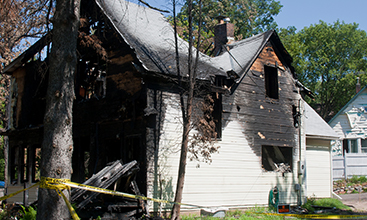
Handling fire claims, for instance, needs specific expertise in assessing smoke, soot, and structural damage. A specialized fire claims adjuster understands these nuances better than a generalist. Understanding the insurance policy limits is vital here.
Auto Claims
Auto claims adjusters investigate claims resulting from car accidents. They determine fault, assess vehicle damage, and handle related injury claims (personal injury) if applicable. They work with collision repair shops and understand vehicle mechanics and repair processes.
They might inspect damaged vehicles, review police reports, and talk to drivers and witnesses. Settlement often involves payments for vehicle repairs or total loss value, plus any covered medical expenses or liability payments. This is a high-volume area for claims adjusters work.
Workers’ Compensation Claims
These adjusters handle claims filed by employees injured on the job. They investigate the circumstances of the injury, determine if it’s work-related, and manage medical treatment and wage replacement benefits according to state laws. The job outlook often involves understanding specific state regulations for this insurance type.
Workers’ compensation requires knowledge of both insurance principles and employment law. The goal is to help injured workers recover while managing costs for the employer’s insurance. Useful resources may include planning guides like a [Workers Compensation Claims Adjuster plan](https://clickup.com/templates/30-60-90-day-plan/workers-compensation-claims-adjuster).
Liability Claims
Liability adjusters handle claims where the policyholder is alleged to be responsible for injuring someone else or damaging their property. This includes personal injury claims (like slip-and-falls) or business liability issues. They investigate the incident, assess liability, and evaluate the claimed damages.
These claims can be complex, sometimes involving lawsuits. Adjusters work to determine legal responsibility and negotiate settlements, often coordinating with legal counsel. This requires strong negotiation and analytical skills, focusing on the company’s liability.
Other Specializations
Adjusters might also specialize in areas like health insurance claims, life insurance claims, marine (boat) insurance, or even aviation insurance. Each specialty demands a specific knowledge base about the specific insurance type and related industry regulations. Understanding the specific insurance cover provided by the insurance policy is essential in these fields.
Becoming a Claims Adjuster
For those interested in this career path, becoming a claims adjuster involves specific steps. While requirements vary by state and employer, a general pathway exists. The insurance industry often offers a stable job outlook and career opportunities.
Most entry-level positions require at least a high school diploma or equivalent; a high school education is the minimum baseline. Some employers prefer candidates with a college degree, especially in business or finance, but it’s not always mandatory. A school diploma is the first step.
Licensing is often the most critical requirement. Many states mandate that claims adjusters get licensed, resulting in an adjuster license. This typically involves completing a pre-licensing education course and passing a state licensing exam covering insurance principles and regulations.
Some states offer reciprocal licensing, allowing adjusters licensed in one state to work in others. Continuing education courses are usually required to maintain the adjuster license active. This keeps insurance adjusters updated on industry changes and regulations.
New adjusters typically receive extensive on-the-job training. Insurance companies or independent adjusting firms provide training on company procedures, claims software, and specific types of claims adjusters handle. Some may go through an apprenticeship program, learning practical skills from experienced insurance claims adjusters.
Working with a Claims Adjuster: Tips for Policyholders
Interacting with an insurance claims adjuster can be smoother if you know how to approach it. Being prepared and informed helps the claims process move efficiently. Here are some tips for policyholders.
Gather all relevant documents early. This includes your insurance policy, any photos or videos of the damage, receipts for damaged items, and police reports if applicable. Having information like witness statements photos ready speeds things up.
Communicate clearly and honestly. Provide accurate claim details about the incident and the damages. Answer the adjuster’s questions fully, but stick to the facts, especially during recorded statements.
Understand your insurance coverage. Review your policy beforehand so you know your limits, deductibles, and what’s generally covered. This helps you have informed discussions with the adjuster about your insurance claim.
Keep detailed records of everything. Note down dates and times of conversations, the adjuster’s name, and summaries of what was discussed. Save all emails and letters related to your claim for future reference.
Don’t feel pressured to accept the first settlement offer immediately. You have the right to review it carefully, ask for clarification, and get your own estimates if you believe the assessment is too low. You can negotiate for a fair settlement based on your property damage or personal injury.
If the claim is significant or you face difficulties, consider getting professional help. A public adjuster can represent your interests and manage the claim negotiation for you, particularly for complex property damage claims or renters insurance issues. You can often find information and perhaps even adjuster reviews on the insurance website; good site navigation or a site map can help locate resources or insurance articles.
Conclusion
Understanding “what is a claims adjuster” is fundamental to managing the insurance process after a loss. These professionals, including staff adjusters, independent adjusters, and public adjusters, investigate insurance claims, determine coverage based on the insurance policy, and work towards negotiating settlements. Their main role is central to how insurance companies respond to events like property damage or accidents.
Whether you interact with a staff adjuster assigned by the insurer, an independent adjuster hired by the insurance company, or choose to hire your own public adjuster, knowing their function helps manage expectations during the claims claims process. The various job duties of an adjuster include investigation, evaluation, and communication.
Being prepared, communicative, and understanding your rights makes the claims process less stressful. Ultimately, the goal is a fair settlement based on your insurance contract and the specifics of your loss. Understanding the role of the insurance adjuster, or claims adjuster, is a big part of achieving that outcome.
Get help with repairs, contracting, and insurance claims
I’m John Morgenstern, a licensed California Public Adjuster. If you need help with repairs, or contracting, or have questions about the insurance claims process, I’m here to guide you every step of the way. Call our 24/7 live emergency hotline now at 310-926-1737.