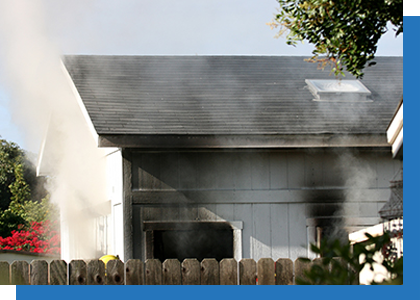
Staring in disbelief at the aftermath of a fire can be devastating, leaving you unsure of what to do. The emotional toll is heavy, and the path to recovery seems long. Getting your life back on track starts with understanding the fire damage insurance claim process and how to navigate it effectively.
You might be asking yourself, “Where do I even begin?” Knowing the steps involved and how to document your losses can significantly impact your claim’s success. This guide helps you understand the ins and outs of fire damage insurance claims, so you get the damage coverage you deserve.
Get help with repairs, contracting, and insurance claims
I’m John Morgenstern, a licensed California Public Adjuster. If you need help with repairs, or contracting, or have questions about the insurance claims process, I’m here to guide you every step of the way. Call our 24/7 live emergency hotline now at 310-926-1737.
Table Of Contents:
- Understanding Your Fire Damage Insurance Claim
- Initial Steps After a Fire
- Documenting Fire Damage
- Why Documentation is Key
- Common Challenges in Fire Damage Insurance Claims
- Disputes with the Insurance Adjuster
- Wildfire Damage and Insurance
- Steps to Take After Wildfire Damage
- Additional Tips for a Smooth Claims Process
- Fire Damage Insurance Claim – Scenarios
- Conclusion
Understanding Your Fire Damage Insurance Claim
Filing a fire damage insurance claim can be emotionally and physically taxing. It involves several steps, each requiring careful attention to detail. A clear understanding of these steps can significantly affect the outcome of your claim.
Initial Steps After a Fire
Your immediate safety is paramount, so contact emergency services right away. Once the fire is out and you are safe, it’s time to assess the property damage and start the claims process.
- Contact Your Insurance Provider: Notify your insurance provider as soon as possible to report the fire and begin the claim process.
- Document the Damage: Take photos and videos of all damaged areas and belongings. Detailed documentation is vital for your insurance claim.
- Prevent Further Damage: Take reasonable steps to prevent additional damage, like boarding up windows or covering exposed areas. Keep receipts for any expenses incurred.
Navigating the Claims Process
The claims process involves several stages. Each stage requires proper documentation and communication. A clear understanding of these steps can significantly affect the outcome of your claim and will ensure you’re compensated.
Insurance companies may seem helpful, but they’re focused on their bottom line. Knowing what to expect can help you avoid common pitfalls and delays during the claim process.
Detailed Steps in Filing a Fire Damage Insurance Claim
Navigating the claims process might seem like climbing a mountain. Let’s break down each step to make things more manageable. This way, you’ll understand how to file a fire damage insurance claim.
- Review Your Insurance Policy: Familiarize yourself with your homeowners insurance policy’s coverage details, deductibles, and exclusions. This ensures you understand what’s covered when disaster strikes.
- Complete a Proof of Loss Form: Your insurance provider will provide this form, detailing the extent of the damage and the value of your losses. Be thorough and accurate when filling it out to help move the claim process along.
- Work with an Fire Claim Adjuster: The insurance company will assign an adjuster to assess the damage. You also have the option to hire a public adjuster to represent your interests.
- Prepare for Inspection: The insurance adjuster will inspect your property. Be prepared to provide access and point out all property damage and any hidden damage.
- Negotiate a Settlement: Once the adjuster assesses the damage, they will provide a settlement offer. Review it carefully, and don’t hesitate to negotiate for a fair settlement.
Documenting Fire Damage
Accurate and thorough documentation is critical, as it substantiates your losses and streamlines the claims process. Without it, you risk delays or a lower settlement.
Why Documentation is Key
Detailed records back up your claim. This gives the insurance company tangible evidence of the damage claims. It’s your proof and strengthens your negotiation position, so ensure you’re as thorough as possible.
Comprehensive records paints a clear picture for your insurance company and adjuster. Good documentation supports a faster and fairer settlement.
Essential Documentation Tips
Gathering the right documentation is one of the smartest steps you can take when experiencing fire damage. Below are tips to get the best documentation possible.
- Photographs and Videos: Capture detailed images and videos of the damage from every angle. Focus on structural damage, personal property, and smoke damage.
- Inventory of Damaged Items: Create a detailed list of all damaged items or destroyed items. Include descriptions, purchase dates, and estimated values.
- Receipts and Records: Collect receipts, invoices, and any other documents that prove ownership and value of damaged items.
- Keep Communication Records: Maintain a log of all communications with your insurance provider. Include dates, times, and a summary of each conversation.
- Expert Assessments: Inspect damage thoroughly by enlisting the help of professionals such as contractors or appraisers to provide written estimate cost for repairs and replacements.
Understanding Your Insurance Coverage
Comprehending the specifics of your insurance policy coverage details ensures you’re compensated fairly. Knowing what your homeowners insurance covers can prevent misunderstandings and disputes during the claims process.
Types of Coverage in a Fire Damage Insurance Claim
A typical homeowners insurance policy includes several coverage details relevant to fire damage. These include dwelling coverage, personal property coverage, and additional living expenses.
- Dwelling Coverage: This covers the cost to estimate repairing or rebuilding your home’s structure. This includes walls, roofs, and floors.
- Personal Property Coverage: This reimburses you for the value of your belongings. These include furniture, clothing, and electronics damaged items or destroyed in the fire.
- Additional Living Expenses (ALE): If you can’t live in your home due to fire damage, ALE covers living living costs. These include hotel stays, meals, and temporary housing.
Factors Affecting Your Coverage
Several factors influence the extent of your policy covers. These range from policy limits to deductibles and exclusions. Awareness of these factors helps manage your expectations as a property owner.
If you’re a property owner, it might be your while to know these factors. So that you know what kind of policy works best for your individual and business needs.
- Policy Limits: Understand the maximum amount your insurance policy will pay for each type of coverage. Make sure these limits are adequate to cover potential losses from damage claims.
- Deductibles: Know the amount you’re responsible for paying out-of-pocket before your insurance coverage kicks in. Higher deductibles typically mean lower premiums, but you’ll pay more upfront in the event of a claim.
- Exclusions: Be aware of any exclusions in your insurance policy. An example would be certain types of fire damage or specific causes of loss that are not covered.
Common Challenges in Fire Damage Insurance Claims
Policyholders often encounter several challenges when pursuing a fire damage insurance claim. Being prepared can help you overcome them, even when insurance companies pay very little on claims. You might disagree with the adjuster’s assessment of your damages or face delays in getting your claim processed.
Disputes with the Insurance Adjuster
Disagreements with the insurance adjuster is something that you want to be aware of. A fair settlement is not always reached without issues with the insurance adjuster. Misunderstandings or undervaluing damages may arise when you’re seeking a settlement.
- Get a Second Opinion: Obtain independent estimates cost from contractors and appraisers to support your claim. This ensures an unbiased assessment of the estimated cost to repair property damage.
- Document Everything: Keep meticulous records of all communication, photos, and assessments. Detailed records help back up your counter-arguments and can help you to ensure you’re compensated.
- Consider a Public Adjuster: Engaging a public adjuster can help you level the playing field. They have in-depth knowledge of damage insurance and can negotiate on your behalf to help cover damage.
Delays in Claim Processing
Insurance companies are known for delays due to various reasons. Internal processes or complexity of the claim process can add hold ups. Stay on top of these issues by proactively addressing each one.
- Follow Up Regularly: Maintain consistent contact with your insurance company and ask for updates on your claim status. Keep records of all communication to help with your claim filing.
- Understand Your Rights: Familiarize yourself with your state’s insurance department regulations. It can provide insight into the timeline and standards that are in place.
- Seek Legal Help: If delays become excessive, consult with an attorney. Legal action may prompt the insurance company to expedite your claim and provide insurance cover.
Public Adjuster: Advocate in a Fire Damage Claim
Dealing with fire damage and insurance claims can be a dizzying task. That’s where public adjusters come in. Public adjusters specialize in handling insurance claims on behalf of policyholders and are ready to provide temporary assistance.
I know firsthand how invaluable they can be during the claims process. This is especially true when things become complex or contentious. This option could save you a headache if insurance companies pay very little on claims and it affects your way of living.
Benefits of Hiring a Public Adjuster
Public adjusters bring expertise, advocacy, and peace of mind. Their involvement can significantly impact the outcome of your fire damage insurance claim. Here are some of their major advantages:
- Expertise in Claims Process: Public adjusters have in-depth knowledge of insurance claims. This familiarity helps with the nuances of policy covers language and insurance company procedures.
- Objective Assessment: Public adjusters assess your damage thoroughly and objectively, ensuring that no hidden damage is overlooked. Their detailed documentation and valuation often lead to a better settlement and make sure that companies pay.
- Negotiation Skills: Public adjusters are skilled negotiators. This helps secure a fair settlement that adequately covers damage to your personal property losses.
- Reduced Stress: Hiring a public adjuster relieves you of the burden of managing your insurance claims. This lets you focus on recovery, as companies pay for the damages.
When to Consider a Public Adjuster
Not every claim requires a public adjuster. The severity of your loss is one sign to hire a public adjuster. If it seems difficult or is denied, consult with one for free consultation. Below is more criteria to help make the decision to hire a public adjuster or not:
- Significant Damage: When the fire damage is extensive, assessing and documenting all losses becomes too complex. In these instances, you should always hire a public adjuster to ensure you are compensated.
- Denied or Underpaid Claims: If your insurance claims are denied or the settlement offered is insufficient, hire a public adjuster.
- Complex Policy: When dealing with a complicated insurance policy that’s difficult to understand, seek help from a public adjuster.
- Time Constraints: If you lack the time to properly manage your insurance claims process effectively, seek a public adjuster.
Wildfire Damage and Insurance
Wildfires are a growing concern, especially in wildfire-prone areas. Dealing with wildfire damage adds unique layers to damage insurance claims, especially in states like California. Understanding how your policy covers wildfire damage is essential for property owners.
Coverage for Wildfire-Related Losses
Most homeowners insurance policies cover fire damage from wildfires. But it’s crucial to verify the specifics after the wildfire damage and review the documentation. Know the extent of coverage details. Also review what to expect during the claims process, so you can ensure you’re compensated.
It also never hurts to consult an insurance adjuster for clarification on policy specifics.
- Dwelling and Personal Property: Coverage details typically include damage to your home’s structure and belongings from wildfire.
- Smoke Damage: Your damage insurance may cover costs to estimate and remove wildfire smoke damage. This could include odor, soot damage, and ash damage cleanup.
- Landscaping: Some insurance policies provide insurance cover for damaged items or destroyed trees, shrubs, and other landscaping.
- Evacuation Expenses: Policy pay includes expenses incurred for evacuation. It can include temporary housing and meals, under additional living expenses.
Steps to Take After Wildfire Damage
After experiencing wildfire damage, act promptly to protect your safety and your insurance claims.
- Safety First: Before returning to your property, confirm with local authorities that it is safe to do so.
- Document the Damage: Take extensive photos and videos of the damage and document all visible losses.
- File a Claim Immediately: Contact your insurance company as soon as possible and start the claim filing.
- Secure the Property: Take steps to prevent further damage by boarding up windows and covering exposed areas. Retain receipts for these actions for reimbursement, as insurance companies pay for preventative actions.
- Consult with Experts: Work with public adjusters or contractors to assess the full extent of the damage and inspect damage thoroughly.
Additional Tips for a Smooth Claims Process
To make the claims process smoother, adopt proactive measures. Attention to detail will lead to better outcomes when working to fix your damage claim. Some of these measures involve knowing where to seek help, and being educated will greatly benefit the overall smoothness of the situation.
- Maintain Detailed Records: Organize all documents, photos, and communications. Store them safely, and keep digital copies of essential documents in case originals are lost.
- Know Your Policy: Familiarize yourself with the coverage details of your homeowners insurance policy. Be sure you know about including policy limits, deductibles, and exclusions.
- Communicate Clearly: Keep open, honest, and clear communication with your insurance company. Address questions promptly and respectfully, as this is key to claim filing.
- Be Persistent: Follow up on your insurance claims. Don’t hesitate to inquire about the status of your damage claim, as it’s a good idea.
- Seek Free Consultation: If you find the claims process overwhelming, reach out to a fire claim adjusters for free consultation and guidance.
Fire Damage Insurance Claim – Scenarios
| Scenario | Challenges | Solutions |
|---|---|---|
| Disagreement Over Property Coverage Details Value | Undervalued settlement offer, and ensure you’re not being ensure you’re compensated. | Hire independent appraiser and negotiate with data from the insurance company. |
| Delays in Processing the Fire Claim Filing Process | Slow responses after the claim process begins. | Follow-up regularly and involve legal counsel if delays are unreasonable. |
| Insurance Company Denial | Insufficient proof of loss with exclusions during claim filing. | Collect better evidence and seek a public adjuster to review the process. |
Conclusion
Filing a fire damage insurance claim can feel overwhelming, but the right information and actions make the process manageable. From documenting damage to understanding your insurance policy, you’re equipped to handle what comes next. Working with experienced public adjusters empowers you to navigate this challenging time more confidently and effectively to cover damage.
Get help with repairs, contracting, and insurance claimsI’m John Morgenstern, a licensed California Public Adjuster. If you need help with repairs, or contracting, or have questions about the insurance claims process, I’m here to guide you every step of the way. Call our 24/7 live emergency hotline now at 310-926-1737.