
Dealing with home damage is never easy. Whether it’s a burst pipe or storm damage, it can be a stressful experience. A clear plan will offer peace of mind during this challenging period.
Figuring out the next steps, especially regarding a home damage insurance claim, can feel like a maze. But don’t worry, this guide will help. Where do you even begin when you need to file a home damage insurance claim? Let’s start by building a solid foundation of essential knowledge.
Get help with repairs, contracting, and insurance claims
I’m John Morgenstern, a licensed California Public Adjuster. If you need help with repairs, or contracting, or have questions about the insurance claims process, I’m here to guide you every step of the way. Call our 24/7 live emergency hotline now at 310-926-1737.
Table Of Contents:
- Understanding Home Insurance
- Steps to Take After Home Damage
- Working With an Insurance Adjuster
- Navigating the Claims Process
- Common Types of Home Damage
- The Role of a Public Adjuster
- Tips for a Smooth Claims Process
- FAQs
- Conclusion
Understanding Home Insurance
Home insurance is an important investment, protecting your home and belongings from unexpected events. It provides financial protection if something goes wrong.
Consider it a safety net. It can help cover repair or replacement costs due to covered incidents.
What Does Home Insurance Cover?
Most policies cover damages from fire, wind, and water. These are frequent sources of claims for homeowners.
However, each policy is different, so you need to know your specific policy. Some events, like earthquakes or floods, might need separate coverage or riders. Before you face such damage, review the policy details to determine the level of coverage. Evaluate options for expanded protection to meet individual requirements.
- Fire Damage: Often includes damages from kitchen fires and wildfires.
- Water Damage: Can cover burst pipes or leaks, leading to a water damage insurance claim.
- Storm Damage: Includes damages from hail, wind, and lightning, perhaps even needing storm damage insurance claim help in Los Angeles.
Knowing what your policy covers can save you headaches later. Periodic policy review is recommended to clarify policy specifics and stay up-to-date.
When to File an Insurance Claim
You should consider filing an insurance claim when the damage is significant. The damage costs must exceed your deductible to make it worthwhile.
Filing a claim makes sense if you can’t afford the repairs yourself. But for smaller issues, it may be cheaper to handle repairs out-of-pocket. It is recommended to have a good understanding of potential claim consequences on your premium.
Steps to Take After Home Damage
When disaster strikes, knowing what to do can reduce stress. Quick, decisive action may reduce stress.
These are the basic steps to consider when figuring out how to proceed with filing your claim. The steps should provide a strategic path for a successful home damage insurance claim.
Document the Damage
Take photos and videos of the damage before you do anything. This provides crucial proof for your insurance company.
Detailed documentation strengthens your home damage insurance claim. So get it done carefully and completely.
- Take photos of all affected areas.
- Keep detailed records of damaged items.
- Note the date and time of the damage.
Contact Your Insurance Provider
Call your insurance provider as soon as possible to file a home damage insurance claim. Provide them with all necessary details and documentation you have.
They will guide you through the process and assign an adjuster. The adjuster may even have specific tips on how to expedite processes when filing an insurance claim. The longer you wait, the more complicated the home damage issues may become.
Prevent Further Damage
Take steps to prevent more damage, like covering a damaged roof with a tarp. Your insurance policy might expect you to do this to mitigate the loss.
However, do not make permanent repairs before the adjuster sees the damage. This can complicate the claims process and hinder claim approval. By performing repairs before the adjuster arrives, you eliminate the insurance provider’s opportunity to evaluate and verify the damage.
Working With an Insurance Adjuster
The insurance adjuster plays a key role in the home damage insurance claim process. Knowing what to expect can improve your outcome.
What Does an Adjuster Do?
An adjuster assesses the damage, reviews your policy, and estimates repair costs. They act as a go-between for you and the insurance company.
Their job is to evaluate the extent of damage and determine coverage based on your policy. Sometimes a home damage adjustment needs special consideration due to policy limitations or previous claims. Learn more about what a public adjuster can do for you.
What to Expect During the Inspection
Be present during the inspection, if possible, to point out all the damage. Provide any additional documentation that supports your home damage insurance claim.
Ask questions and take notes during the inspection. Understanding the adjuster’s perspective helps smooth things along. Keep records to better help you track claim progress and prevent errors.
Navigating the Claims Process
The claims process involves paperwork, negotiations, and specific timelines. Staying organized can lead to a faster settlement.
Understanding Your Policy
Review your policy details, including coverage limits and deductibles. Knowing these details helps you prepare for potential costs. Be certain that you have an updated record of policy details before you file.
Policies have different sections that you need to understand before talking to the insurance agent. This will improve any damage insurance claims that are made and ensure fair resolution.
Submitting Necessary Paperwork
Complete all required forms accurately and submit them promptly. Missing or incorrect paperwork can delay your home damage insurance claim.
Keep copies of everything you send to the insurance company for your records. You need to have these on hand in case of any follow-ups from the insurance adjuster.
Negotiating a Settlement
If you disagree with the adjuster’s estimate, you can negotiate. Providing additional evidence or estimates supports your counter-offer, allowing you to come to a resolution of disagreements.
Remember, there may be considerations when dealing with property damage insurance. Your own homeowner’s insurance company is there to settle claims so you can get back to living normally.
Common Types of Home Damage
Different types of damage require different approaches. It’s a good idea to explore potential challenges tied to common damage types.
Below is some general information, but make sure to read up specifically on different types of scenarios. Understanding can improve your situation in your case.
Water Damage
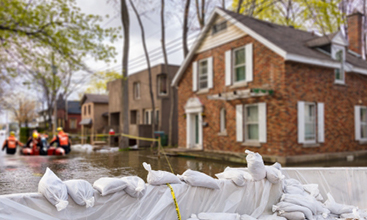
Water damage can result from leaks, burst pipes, or flooding. Addressing it quickly prevents mold growth and structural issues.
If you experience broken pipe water damage, make sure to document the source of the leak. Sometimes it may also require professional assessment of the damage before getting an insurance claim.
Fire Damage
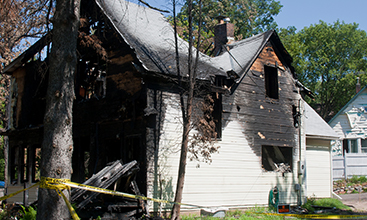
Fire damage is devastating, requiring immediate attention to safety and cleanup. Documenting everything can help for fire damage insurance claims. Insurance may even pay for your home smelling of smoke, as it may cause some level of physical and emotional distress.
Did you know you should also be very aware and avoid certain mistakes to avoid when filing fire damage insurance claims? Contact someone to address safety concerns before attempting to enter the premises.
Storm Damage
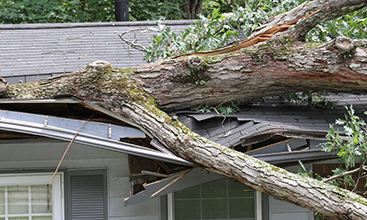
Storms can cause significant damage from wind, hail, and fallen trees. Prompt repairs prevent further structural issues. If damage is extreme, find a safe space away from hazards. Contacting qualified repair professionals early is a vital strategy.
Always make sure to seek out storm damage insurance claim help in Los Angeles after this occurs to receive professional support. A qualified claim specialist can help assess storm damage extent and value.
The Role of a Public Adjuster
A public adjuster works for you, not the insurance company. They assess damage and help you navigate the insurance claim process.
When to Hire a Public Adjuster
Consider hiring one if your claim is complex or if you disagree with the insurance company’s assessment. You can also hire one if you need help preparing for an insurance claim.
They make sure your interests are represented and can often secure a higher settlement. Also be sure to explore how employing a public adjuster will affect claim timelines.
What to Expect When Working With One
A public adjuster will review your policy, inspect the damage, and file the claim on your behalf. They’ll handle all communications with the insurance company, allowing you to get the best outcome.
The adjuster does a great job communicating with the insurance company and representing your case effectively. With expert navigation and policy interpretation, working with the adjuster may reduce confusion and delays.
Tips for a Smooth Claims Process
Some simple preparations can make the claims process go smoothly. You can decrease the chance of disputes with simple steps.
Stay Organized
Keep all documents, photos, and communications in one place. Organized records make the process easier to manage.
Think of a binder or digital folder where you keep everything that could matter in case it goes to the claims adjuster. Also consider writing down any notes that come up in conversation with them to keep up with where things left off in case you need to call again.
Communicate Clearly
Respond to all requests from the insurance company promptly. Clear and concise communication speeds up the claims process.
Remember, it’s also fine to say you don’t understand something. You may also want to seek professional guidance regarding damage insurance.
Be Patient
Insurance claims can take time, especially if the damage is extensive. Stay patient, follow up regularly, and keep advocating for your needs. Try to maintain a respectful tone in all communications.
Understand the process and any special issues that may need extra review time. This can include determining if homeowner’s insurance covers plumbing. Seek guidance and support from trusted mentors when facing challenges during your home damage insurance claim.
Homeowners should also research resources that can guide them with home damage. A well planned repair process, paired with policy knowledge, can result in repairs that better match your vision.
Ultimately, knowing the information related to understanding home damage and getting what you deserve from your damage insurance after a tough experience can be invaluable. Water damage insurance claims may feel difficult, so seek professional guidance regarding home damage.
FAQs
| Question | Answer |
|---|---|
| What should I do immediately after discovering home damage? | Document the damage with photos and videos, then contact your insurance provider to file a claim. Take steps to prevent further damage, but avoid making permanent repairs before the adjuster’s inspection. |
| When should I consider hiring a public adjuster? | Hire a public adjuster if your claim is complex, if you disagree with the insurance company’s assessment, or if you feel overwhelmed by the claims process. They can represent your interests and help secure a higher settlement. |
| How can I ensure a smoother claims process? | Stay organized by keeping all documents and communications in one place. Communicate clearly and respond promptly to requests from the insurance company. Be patient and persistent throughout the process. |
| What if my insurance claim is denied? | If your insurance claim is denied, review the denial letter carefully to understand the reasons for the denial. Gather any additional information or documentation that supports your claim and file an appeal. Consider consulting with a public adjuster or attorney to help you navigate the appeals process. |
| How does policy coverage apply to temporary living expenses if my home is uninhabitable? | Most homeowner’s insurance policies include coverage for additional living expenses (ALE) if your home becomes uninhabitable due to covered damage. ALE coverage can help pay for temporary housing, meals, and other necessary expenses while your home is being repaired. Review your policy to understand the coverage limits and requirements for ALE. |
Conclusion
Filing a home damage insurance claim can be intimidating. However, understanding your policy, documenting everything thoroughly, and staying organized simplifies the process. A skilled expert may be beneficial during a home damage insurance claim to make the process go more smoothly.
Remember to contact your insurance company for help with your claim. With the appropriate mindset, you can address the problem and continue improving your life.
Get help with repairs, contracting, and insurance claimsI’m John Morgenstern, a licensed California Public Adjuster. If you need help with repairs, or contracting, or have questions about the insurance claims process, I’m here to guide you every step of the way. Call our 24/7 live emergency hotline now at 310-926-1737.