What are Insurance Claims Adjusters?
What are Insurance Claims Adjusters?
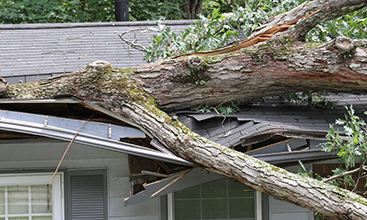
Insurance claims adjusters (also known as field or desk adjusters) investigate an incident, review the damage, and determine if and how much money an insurer should pay to a policyholder. They also negotiate settlements.
Depending on the type of claim, adjusters interview witnesses, consult police and hospital records, inspect the damage, and take pictures. They also use Xactimate, an industry-standard software program. Read on for some ideas.
Investigation
When a claim is submitted, an insurance investigator will examine the details of it to determine whether or not it is legitimate. They will then report their findings to the insurance company along with a recommended settlement amount.
To conduct their investigation, an adjuster will procure official records such as police reports and the driver’s accident report filed with the State Department of Motor Vehicles. They will also interview the insured party, obtaining a statement either verbally or in writing regarding the incident.
Adjusters often travel to inspect property damage in person, especially when dealing with car accident claims. This may involve visiting the damaged vehicle and taking official photographs of the damage, comparing these to what is listed in the initial claim. In addition, they will access the injured party’s medical history to look for any pre-existing conditions that could reduce the value of a claim.
Damage Valuation
During this phase of the process, an insurance adjuster assesses damages and estimates how much it will cost to return your property to its pre-loss condition. They will review your claim details, and research records and inspect your property to validate the information.
They may also interview witnesses and take photos of the damage. They will then make a settlement offer. It’s important to get an adjuster with expertise in your specific type of loss or industry.
For example, an adjuster with experience in aviation claims can provide invaluable guidance on how to properly evaluate aircraft damage. In addition, they should be familiar with different types of valuations like replacement cost and actual cash value.
Negotiation
After the investigation and damages valuation phases are complete, insurance claims adjusters prepare a claim file that is submitted to the insured (that’s you). This document includes photographs of damage, testimonies from experts, and their personal recommendations on what the insurer should pay for your claim.
Insurance companies may not always be willing to settle a claim at the amount the insured believes they are owed, which can lead to an adjuster dispute with the policyholder. In this situation, a policyholder can hire a public insurance adjuster to assist with reopening the claim or filing a supplemental claim.
While a career as an insurance adjuster requires specialized training and certification, the salary is attractive and the opportunity for travel is available. Many also do not require years of expensive schooling, making this a great career choice for people seeking financial independence.
Communication
The insurance adjusting industry demands a strong customer focus and an ability to communicate effectively. Insurance claims adjusters are also required to demonstrate a high level of technical knowledge. This includes an understanding of insurance policies, coverage limits, and claim-handling procedures. Adjusters must also stay current with the latest industry trends and regulatory changes.
Insurance claims adjusters conduct interviews with people involved in a loss or accident to assess the facts of the case. They may also review documents such as police reports, photographs, or video footage of the accident.
Using their analytical skills, claims adjusters evaluate the information they have collected and determine an appropriate settlement amount for each claim. They also conduct negotiations with claimants and other parties, sometimes involving legal representation or external experts. They also prepare reports and submit them to their superiors. This requires excellent time management skills. Refer to This Web Page.