When a storm strikes, the aftermath can be overwhelming. Dealing with property damage is stressful enough, but then you are faced with a storm damage insurance claim which adds to everything. I’ve been through this process myself, and know how confusing it can be.
Most homeowners insurance policies cover damages from storms, but the specifics can vary. Wind damage, hail, and lightning are typically covered perils. However, flood damage usually requires separate coverage, highlighting the importance of understanding storm damage coverage limits within your policy.
It’s crucial to understand your insurance policy before disaster strikes. Knowing what your homeowners insurance cover will make the claims process smoother.
Get help with repairs, contracting, and insurance claims
I’m John Morgenstern, a licensed California Public Adjuster. If you need help with repairs, or contracting, or have questions about the insurance claims process, I’m here to guide you every step of the way. Call our 24/7 live emergency hotline now at 310-926-1737.
Table Of Contents:
- Understanding Your Coverage
- The Storm Damage Insurance Claim Process
- Tips for a Successful Storm Damage Insurance Claim
- When to Seek Professional Help
- Preparing for Future Storms
- Understanding Different Types of Storm Damage and Coverage
- Frequently Asked Questions (FAQs)
- Conclusion
Understanding Your Coverage
Before we get into the claims process, let’s break down what a standard homeowner’s insurance policy typically covered when it comes to storm damage. This helps in understanding storm-related issues and their coverage.
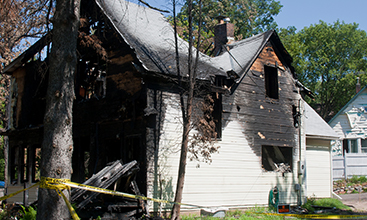
- Wind damage (including tornadoes and hurricanes).
- Hail damage.
- Lightning strikes.
- Water damage from rain entering through storm-created openings.
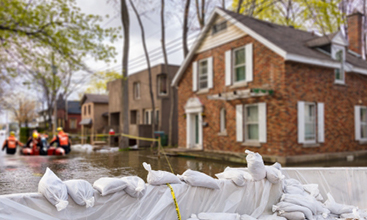
Flood damage typically is not covered by standard policies. If you live in a flood-prone area, you’ll need to purchase separate flood insurance from the National Flood Insurance Program or a private insurer.
The Storm Damage Insurance Claim Process
When you’re faced with weather damage, time is of the essence. Here’s a step-by-step guide to filing your storm damage insurance claim:
1. Document the Damage
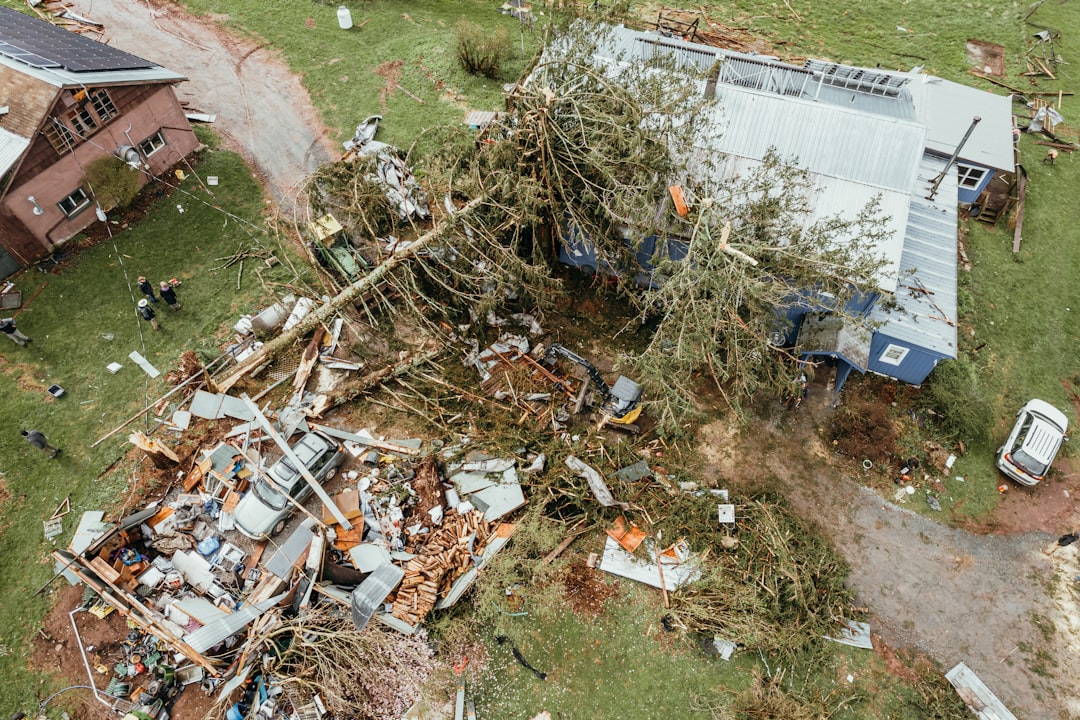
As soon as it’s safe, thoroughly document all damage caused to your property. Take photos and videos from multiple angles.
This visual evidence will be crucial for your weather-related insurance claim. This includes capturing every detail of the damage.
2. Make Temporary Repairs
To prevent further damage, make necessary temporary repairs. Cover broken windows with plywood or tarp over roof damage.
Keep receipts for materials and labor – these costs may be reimbursable. These are often part of your storm damage coverage.
3. Contact Your Insurance Company
Notify your insurer as soon as possible. Most companies have 24/7 claim reporting services.
Be prepared to provide your policy number and a brief description of the damage. A quick response can expedite your storm damage insurance claim process.
4. Meet with the Insurance Adjuster
An adjuster will be assigned to assess the damage. Be present during their inspection and point out all areas of concern.
Don’t be afraid to ask questions. Make sure every bit of damage, even if it looks like light damage wind caused, is noted.
5. Get Repair Estimates
Obtain estimates from reputable contractors for the necessary repairs. This can help insurance policies cover the true cost of repairs.
It also makes sure the insurance company‘s assessment is fair. Homeowners insurance deductibles may influence your decision on which contractor to choose.
6. Negotiate Your Settlement
If you disagree with the insurance company‘s offer, don’t hesitate to negotiate. Provide evidence to support your case, such as contractor estimates or photos of the damage.
Remember that your goal is to have your insurance cover storm related damages fully. Many insurance policies cover these incidents.
Common Challenges in Storm Damage Insurance Claims
While the process might seem straightforward, several challenges can arise during a storm damage insurance claim: These are also seen in most weather-related insurance claims.
Dispute Over Damage Cause
Insurance companies may argue that some damage existed before the storm or was caused by lack of maintenance. This is where your thorough documentation of the storm damage becomes crucial.
Clear evidence can help show that strong winds or hail damage were the cause.
Undervaluation of Damages
Sometimes, the insurance adjuster’s assessment may not fully capture the extent of the damage. This is why getting independent contractor estimates is important to show the full scope of repairs.
It will make sure that everything from roof damage to interior issues is included. The goal is to have the insurance cover damage comprehensively.
Delays in Processing
After severe weather, insurance companies can be overwhelmed with claims, leading to delays. Stay persistent and follow up regularly on your claim’s status.
This is common with many weather-related insurance claims. Keeping track ensures your storm claim isn’t forgotten.
Tips for a Successful Storm Damage Insurance Claim
To increase your chances of a fair and timely settlement, consider these tips. They can be useful for anyone dealing with a storm damage claim:
- Keep detailed records of all communications with your insurance company.
- Be aware of your policy’s deadlines for filing claims and submitting information.
- Consider hiring a public adjuster for complex or high-value claims.
- Don’t rush to accept the first settlement offer if it seems low.
- Understand your rights – each state has laws governing insurance claims practices.
Remember these. Many standard policies have specific timelines and requirements. Being informed helps you maximize your storm damage coverage.
When to Seek Professional Help
Sometimes, handling a storm damage insurance claim on your own can be overwhelming. If you’re facing significant damage, a complex claim, or feel the insurance company isn’t treating you fairly, it might be time to seek professional help.
A public adjuster at Smart Public Adjusters can be a valuable ally. These professionals work on your behalf to assess damage, prepare claims, and negotiate with the insurance company.
While they charge a fee (usually a percentage of the claim settlement), their expertise can often result in a higher payout. Especially in situations of a storm damage roof insurance claim their skills may be needed.
For particularly challenging cases, you might consider consulting with an attorney who specializes in insurance claims. They can provide legal advice.
If necessary, they can help you pursue legal action against your insurance company. This is more common in complex situations, such as claiming storm damage on roof or other large structural issues.
Preparing for Future Storms
While we can’t prevent storms, we can certainly be better prepared for them. The key is actively taking steps to prepare.
Here are some steps you can take to make future storm damage insurance claim easier. Being proactive helps reduce stress if another event occurs.
- Regularly review and update your insurance policy.
- Create and maintain a home inventory with photos and receipts.
- Keep important documents in a waterproof, portable container.
- Consider additional coverage for specific risks in your area.
- Trim Trees, because tree falls can often cause a lot of damage.
For example, homeowners might consider if their insurance policies cover hurricane damage, especially in coastal regions. This can make you ask yourself if your insurance cover hurricane related incidents to the extent that you need. Some areas need separate policies because their policies do not cover hurricane damage.
Checking if your current coverage is at adequate coverage amounts is important too.
Understanding Different Types of Storm Damage and Coverage
Different types of storms cause different kinds of damage. Here’s how homeowners insurance often handles various scenarios, this could vary by state:
| Type of Storm Damage | Typical Coverage | Things to Note |
|---|---|---|
| Roof Damage from High Winds | Usually covered under dwelling coverage | Document the damage. A storm damage roof insurance claim often requires detailed proof. |
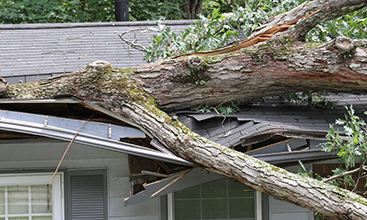
| Damage from Fallen Trees | Generally covered, including removal if it damages a covered structure | Check your policy for limits on tree removal. Your policy may cover damage caused by the tree, but not always the removal itself. |
| Hail Damage | Typically covered under most homeowners insurance policies | Some policies may have separate coverage limitations or deductibles for hail. |
| Water Damage | If from rain through a damaged roof or window. | Your insurance should cover hail and rain. Flood damage typically is not. |
If you ever have to pay out-of-pocket that would usually mean you met your policy deductible before the coverage begins.
Frequently Asked Questions (FAQs)
Here are frequently asked questions about storm damage and insurance claim:
Q: How long do I have to file a storm damage claim?
A: It varies by insurer and state, but it’s best to file as soon as possible. Some policies have strict deadlines so its important to know.
Q: What if my damage is less than my deductible?
A: You’ll likely pay out-of-pocket for repairs. It may not be worth filing a claim if the repair costs are very close to your insurance deductibles. Consider this before starting the storm damage claim process.
Q: Will filing a storm damage claim raise my premiums?
A: Possibly, but not always. It depends on your insurer, your claims history, and the severity of the storm.
Conclusion
Navigating Storm Damage Insurance Claims
Documenting damage is key to a successful claim. Don’t be afraid to advocate for yourself if you feel the settlement offer is unfair.
Know Your Policy and Follow Steps
Understanding your policy and following the proper steps will ensure fair compensation for your losses.
Stay Prepared and Informed
Stay prepared, stay informed, and remember: after every storm, the sun will shine again.
Get help with repairs, contracting, and insurance claims
I’m John Morgenstern, a licensed California Public Adjuster. If you need help with repairs, or contracting, or have questions about the insurance claims process, I’m here to guide you every step of the way. Call our 24/7 live emergency hotline now at 310-926-1737.