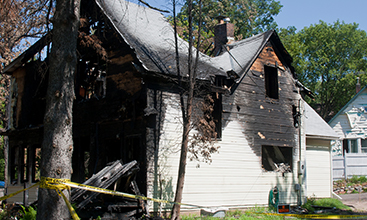
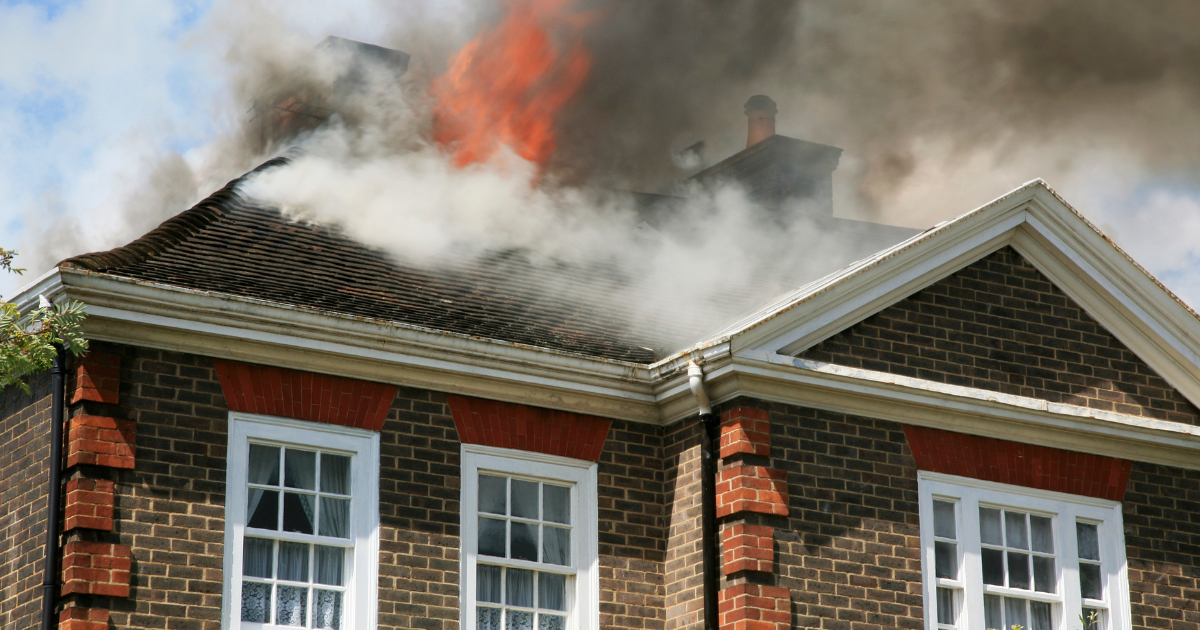
Dealing with the aftermath of a house fire is tough, especially with the financial burdens. Many might not know the first thing about filing an insurance claim, which adds extra stress. You’re counting on your insurance to help, but sometimes, claims get denied, leading to more headaches over the many reasons insurance companies deny fire claims.
Understanding the specific reasons insurance companies deny fire claims can give clarity. It will show the challenges in the insurance world.
Get help with repairs, contracting, and insurance claims
If you need help with repairs, or contracting, and have questions about the insurance claims process, feel free to let me know. Call us at 310- 926-1737 or send us a message
Table of Contents
- Reasons for Fire Claim Denials
- Dealing with a Denial
- Steps to Avoid Claim Issues
- What Bad Faith Looks Like
- What Else to Think About?
- Conclusion
Reasons for Fire Claim Denials
One of the biggest problems homeowners run into is not having enough insurance coverage. Many people find out too late that their insurance cover falls short, which leads to issues after the fire is already out.
Insufficient Coverage
Having adequate coverage is a must. A lot of times, folks find their homeowners insurance policies don’t fully cover fire-related damages, which leads to claim denials.
Homeowners should regularly check and update their policies. This helps them understand all costs from property damage.
Arson Suspicions
If there is an investigation into the fire, insurance companies usually hold off on any claims. If arson insurance companies suspect is involved, it often results in a claim denied.
Working closely with investigators can really smooth things out. Giving them all the details they need shows you’re serious about helping find the real cause of the property loss.
Not Telling the Whole Story
When you’re signing up for insurance, being upfront is vital. Skipping over details like past fire damage can be considered one of the common reasons insurance companies deny fire claims, often due to fraudulent claims.
Telling the truth from the get-go builds a clear history. It helps make the claim process easier later.
Policy Exclusions
It is critical to go over your homeowners insurance policy details. Policies will spell out what’s covered and what’s not, such as damage caused by certain intentional acts.
Knowing these policy exclusions lets you work out if the fire damage fits within your insurance coverage terms. Sometimes what caused the fire can cause a claim denial.
Missing Policy Steps
Homeowners insurance policies often lay out must-do tasks like keeping up with working smoke detectors. Not following these safety measures could be trouble.
Keeping to these rules could be vital to an approval. Not following guidelines could become reasons insurance companies deny fire claims.
Value Arguments
Agreeing on the loss amount can sometimes cause fights. These disputed valuations can stall settlements for damaged property.
Having an independent evaluation may move talks forward. A clear assessment can bridge gaps.
Negligence Caused Fires
Negligence that causes fires is going to impact any outcome. Policy terms frequently void fires because of a careless owner, possibly leaving policyholders without support.
Insurers might see unattended stoves as not covered.
Late Premium Payments
Keeping up with insurance payments is vital. A skipped payment can cancel homeowners insurance, impacting ability to file damage claims.
Always make sure premiums are paid up. Staying current avoids gaps during a fire incident.
Submitting Claims Late
Getting your damage claim in on time really matters. Every policy has its own deadline, missing it often ends in claim denials.
It’s smart to act fast after a fire. Contact your insurer soon to prevent claims issues.
Not Enough Paperwork
Solid proof is needed for claims to succeed. Items like photos and invoices show losses for things like electronics, furniture, and clothing.
Organized records will speed up your insurance talks. Quick access makes valuations simpler and less work when filing insurance paperwork.
Damage from Before
Old damage can become new problems when mixed with a current event. Existing damage damage often gets claims thrown out or is not included with payments.
Pointing out what’s new helps adjusters see only the fire’s damage. Showing them exactly what happened lets them focus just on damages of the latest event to determine coverage.
Misleading Info
Being straight with your insurer from day one matters. Trying to hide something or disclose relevant details could cause insurance dispute issues later.
Honest applications will help keep claims clean and smooth. Transparency on all sides helps streamline this important process, especially with challenging fire damage damage scenarios.
Dealing with a Denial
When the insurance company sends a claim denial letter, it can cause significant heartache. You may have no idea that the denial process would go on and on for years, which can be a difficult situation.
Understanding Your Letter
First thing is to figure out why the insurance company said “no”. Your claim denial letter is key to deciding on your next move.
You should get your next step options. Finding that in the letter guides the next best approach. You should carefully review it.
Talking to Your Insurance Company
Calling your insurer gets talks moving after a “no”. You can talk over what you sent, in hopes of working toward a “yes.”
Talking about concerns can iron out kinks, setting things right. Open talks usually lead to finding a solution both sides like.
Gathering Proof
If you believe the claim shouldn’t have been denied, evidence helps. Include repair estimates and the police incident report to show the damage caused.
Having records handy makes the claim more believable. With documents, they prove events or steps when asked when trying to claim insurance funds.
Experts You Can Trust
Experts like Public Adjusters can review and analyze insurance policies, ensuring policyholders stay on solid ground. This simplifies the process and provides direction or advice when needed.
Smart Public Adjusters: Your Partners
Smart Public Adjusters can help with:
Claims Assistance
Navigating complex claims processes
Ensuring fair settlements
Providing expert knowledge of insurance policies
Policyholder Advocacy
Communicating with insurance companies on your behalf
Identifying and pursuing all eligible benefits
Leveling the playing field in negotiations with insurers
By working with experts like Public Adjusters, policyholders can feel more confident and in control when dealing with insurance companies.
Steps to Avoid Claim Issues
Preventing claim denials often requires you do things proactively, including regular inspections of electrical equipment.
Having the Right Coverage
Making sure your insurance coverage is solid helps keep surprises away. Homeowners insurance policies ought to reflect changes in the cost to rebuild, as well as include personal property coverage.
Regular check-ins on your policy are vital to avoid future coverage denials.
Keeping Up Safety
Working smoke alarms are super important for homes and businesses. Maintaining equipment will help avoid some fire claims.
Safety tasks should keep properties compliant and people safe. Following rules often saves people stress when it’s time to file.
Detailed Records
Keeping records will save many. Hold on to photos and purchase receipts, especially for valuable items like jewelry, family heirlooms, and clothing.
These are tough to replace emotionally, and proper documentation. This documentation can show the true property loss.
What Bad Faith Looks Like
Spotting unfair claim denials will show insurance issues early. Bad faith actions can sometimes be noticed, and then, legally, there could be an uphill battle.
Watch for slowed down claim timing. Unclear reasons should get follow-up and then more communication. Here are the common signs of bad faith by insurance companies:
| Sign | Description |
|---|---|
| Delays | Insurance drags things without good cause. |
| Low Offers | Payouts given do not match known real costs for losses that include damaged materials or building code updates to do it right. |
| Poor Communication | Getting answers becomes too hard for days on end. |
| Incomplete Investigations | An inadequate job was performed when trying to properly investigate the source to assess risk. |
What Else to Think About?
Going at it alone can get tough fast. Insurance companies may make more sense with the aid of pros such as public adjusters.
Knowing more makes these processes better for you. Public adjusters or lawyers that deal with the claim denials may be best fit for assistance.
Conclusion
Navigating the reasons insurance companies deny fire claims can be challenging and many aren’t sure where to go next. Many do not realize if it is even a worthwhile, and not just a losing effort.
Learning more makes folks ready to handle companies that throw curve balls. With steps and information, you will understand your position on policies, to gain knowledge moving forward, and how to potentially avoid this is the future. With understanding you can be sure you get the financial support you need when it comes to insurance policies, fire-related damages, or anything else in your policy.
Get help with repairs, contracting, and insurance claims
If you need help with repairs, or contracting, and have questions about the insurance claims process, feel free to let me know. Call us at 310- 926-1737 or send us a message