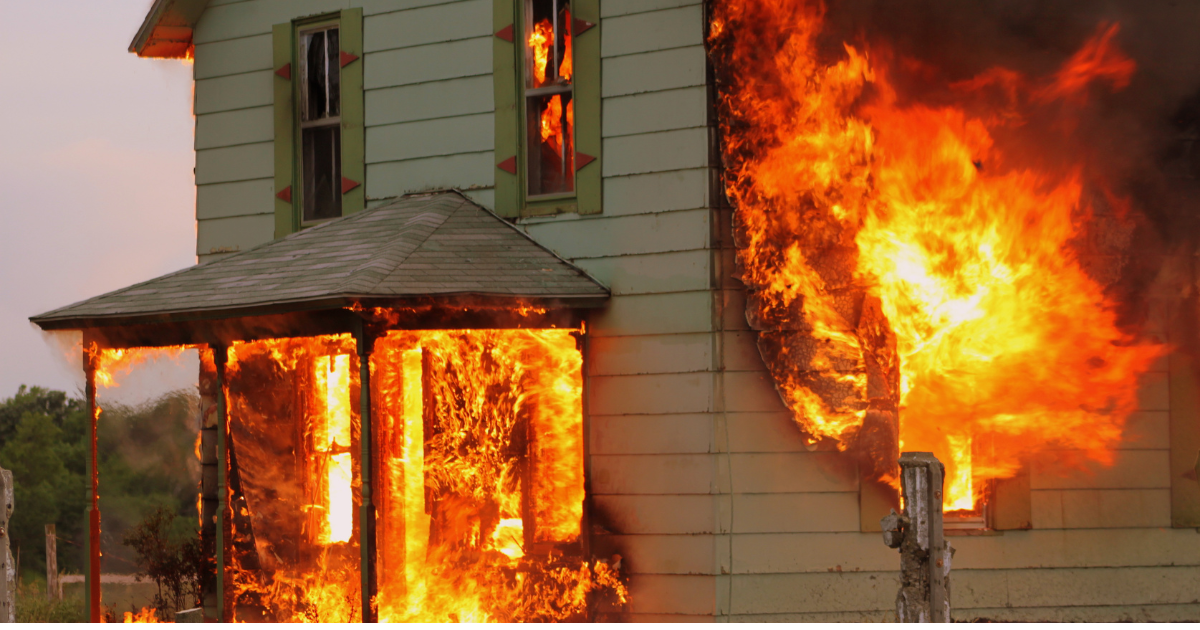
Dealing with the aftermath of a house fire is a devastating experience. The emotional toll, coupled with the practical challenge of rebuilding your life, can seem impossible, particularly when you are dealing with a fire loss insurance claim. You might find yourself wondering about things you never considered.
It’s easy to feel lost, but there are concrete steps you can take. A fire loss damage insurance claim does not have to control your ability to push through and take control. Knowing how to navigate the claims process can significantly impact your insurance claim recovery.
Get help with repairs, contracting, and insurance claims
I’m John Morgenstern, a licensed California Public Adjuster. If you need help with repairs, or contracting, or have questions about the insurance claims process, I’m here to guide you every step of the way. Call our 24/7 live emergency hotline now at 310-926-1737.
Understanding Your Fire Loss Insurance Claim Rights
- Understanding Your Fire Loss Insurance Claim Rights
- Documenting Everything For Your Fire Damage Insurance Claim
- Who Should I Contact First About a Loss?
- Tracking Daily Expenses and Getting the Right Repairs
- Reasons Behind Claim Delays
- Exploring Policyholder Support Services
- What Does “Matching” Mean for My Insurance Claim?
- What about Wildfires?
- Conclusion
Understanding Your Fire Loss Insurance Claim Rights
After a fire, your homeowner’s insurance policy is your primary resource. But, insurance policies differ considerably in their provisions for claims. Some cover the “actual cash value” of damaged items.
This coverage pays the original item cost minus depreciation. “Replacement cost” policies, though often more costly, offer more substantial support by covering the price to replace your personal property.
The immediate shock of a home fire, with its rapid spread and extensive harm, often leaves people unsure of what to do. Quick and decisive steps are key to claim recovery. With swift action a homeowner can start down the right path with next steps.
Initial Steps After a House Fire
The initial aftermath of a fire can be overwhelming. Yet, every 89 seconds, someone in the United States faces this very scenario, as reported by the National Fire Protection Association (NFPA). These statistics are sobering.
If you’re facing the aftermath of a fire, finding a safe place for shelter comes first. Support could range from a family member’s home to a hotel. If your policy includes loss of use coverage, keep records of your living expenses.
You may be reimbursed for added living expense, like food and lodging. Also make sure to tend to your furry friends that experienced the fire too.
Protect Your Belongings and Mitigate Further Loss
Every homeowner’s policy insists on action. Steps that minimize additional harm to your property damage. It could mean putting a tarp on your roof to avoid more water damage, covering exposed areas until repairs get started.
Insurance companies will likely cover these measures, but documentation, including pre-mitigation photos, will boost the validation of a loss insurance claim. Turning off your home’s water will prevent ongoing water issues that add up.
Documenting Everything For Your Fire Damage Insurance Claim
After securing safety and addressing immediate concerns, detailed documentation becomes essential. Thoroughly photograph and video all property damage. Also generate an inventory list of your impacted personal items and materials.
This thorough record is critical proof for your insurance claim. More evidence can help improve the accuracy of your damage claim to make it even more complete.
Remember, never dispose of anything, no matter how destroyed it seems. Many people don’t know that fire restoration experts might recover severely impacted items that might appear ruined. Consider even smaller, easily missed items and things like air ducts.
Air Quality Testing Can Improve Your Insurance Coverage
Even if no visible damage occurs to your dwelling, consider professional air quality testing. Places that might need some cleaning, or be addressed, might not always stand out initially.
Smoke damage or fire retardant might be present that only a trained professional can detect. A Certified Industrial Hygienist assesses air quality properly. Air chemicals really do change the atmosphere of inside rooms.
Check out some studies like Why Indoor Air Chemistry Matters and Chemistry of Urban Wildfires. Insurance companies must inspect damage completely.
Who Should I Contact First About a Loss?
Whether the damage is minor or total loss of your whole house, contact insurance provider is the best place to start. They’ll assign a claims adjuster. The insurance adjuster is the person who looks at the claim, determines insurance coverage, and can recommend repairs with qualified individuals.
Keep copies of everything and consider an independent public insurance adjuster. They can assist in managing details. If your home suffered damage requiring emergency work to avoid other damage claims, your policy will possibly reimburse those charges.
The quicker you can address items with documentation and reach out to your insurance provider, the faster it is settled. Waiting could create more issues, or have denials of insurance cover. Submitting required supporting paperwork promptly, can accelerate payments.
When Will an Adjuster Inspect the Damage?
Once you’ve reported your loss, your insurance company should quickly respond. Generally, this includes sending a claim adjuster to assess your loss on the property. Some jurisdictions have very specific rules.
In California, insurance companies must send a “notice of intentions” within 30 days of getting a fire loss insurance claim. This shows the state’s attention to efficient claim process, so people get the financial support they need quickly. Take thorough notes in case there are problems with the claims payout process.
Tracking Daily Expenses and Getting the Right Repairs
Policies normally include “loss of use” clauses. This part lets you get paid back for costs while not in your commercial property.
Only extra expenses coverage are payable. This includes additional spending beyond regular daily amounts.
Many often use relatives. Consider suggesting that your providers write out specifics on room charges and aid.
Understanding Estimates and Coverage For Timely Insurance Payout
Insurance policies define “actual cash value”. Payout covers home worth pre-fire. Other insurance policies give “replacement cost” support.
That means it provides fixed limit values. Home rebuilding is optional. A different place remains allowed.
Some property owners repurpose funds when covered with this amount of payment.
| Step | Action | Purpose |
|---|---|---|
| 1 | Secure Shelter | Ensure immediate safety for family and pets. |
| 2 | Notify Authorities | Inform police and utility companies of displacement. |
| 3 | Protect Property | Mitigate potential loss and hidden damage. |
| 4 | Contact Insurance | To start your property coverage payments claims process. |
| 5 | Collect Records | Gather proofs and receipts of fire impact. |
| 6 | Start Fixes | Make quick, short-term fixes if required to address structural damage. |
| 7 | Continue Payments | Keep liability property insurance updated to help financially protect against potential liability events while you have less. |
Reasons Behind Claim Delays
Claim filing doesn’t always have a straightforward approval. Some factors increase time frames.
Insufficient paperwork might postpone needed fixes. Policy gaps possibly also hinder assistance amounts.
Knowing delay causes gives methods to counter setbacks to your claim recovery support. Delayed fixing plans potentially lead to more harm, as well as increased health, safety, and building safety code problems.
Filing Supplemental Claims If Needed
Often with fire situations, unexpected things arise. Consider mold development within house sections after water cleanup as firefighters control burns. Additional damage claims necessitate file supplemental extra or adjusted payout support for fire fixes that were unanticipated, hidden damage, or overlooked.
Open claims permit proper handling to recover lost materials. You have the freedom and option of insurance claim dispute negotiations if estimates end up short of complete payments of claim settlement.
Exploring Policyholder Support Services
If insurer talks hinder agreement on appropriate repair money, know about aid choices. A “public adjuster” will be someone that can serve on your side as an unbiased advocate. It could give the knowledge that could speed up claims process with more knowledge than even yourself.
As licensed public adjusters, we take a negotiated cut of ultimate gains, ensuring you receive the maximum settlement possible. With our expertise and affiliation with reputable organizations such as the National Association of Public Insurance Adjusters, you can trust that your insurance claim is in good hands.
At Smart Public Adjusters, we provide professional public adjusting services, fighting for your rights and securing the best possible outcome for your insurance claim. [Learn more about our public adjusting services](link to your website).
These are good starts. The not-for-profit group United Policyholders provides resources also. They have expert professional links in their claims assistance section, and tips.
The Insurance Information Institute delivers considerable information on handling events. Seeking expert outside views possibly gets fair settlement reimbursements to start new.
They help assess claims to assist payments you can access, and they also give important tips to guide insurance claim recovery support. When large damage claims happen, sometimes extra Federal disaster aid through agencies like FEMA will supplement gaps that insurance policies do not fully address.
What Does “Matching” Mean for My Insurance Claim?
In numerous regions, payments have to give back uniformity matching pre-fire looks on surfaces, whether walls, floor covers, roofs, or more, depending on jurisdiction. “Matching” discussions often come up on damaged items, but is applicable across multiple parts of properties with claims coverage for buildings.
Uniform styles on the structural damage take some attention with insurance provider to restore what has been destroyed from the fire. Incomplete policy details regarding matching clauses could mean challenges if attempting solo payments handling, for your damage insurance claim. So check early and find professional aid where things end up seeming problematic if discussions give questions.
If you get conflicting information, speak with legal advice. Attorneys familiar on a particular state know laws for fire damage insurance coverage. These legal professional can explain homeowner policy requirements after loss from damages.
What about Wildfires?
If you are in an area that is prone to damage by wildfire, property coverage on events of burning from out of control fires differs greatly on where its at. Many states actually deliver additional help if there’s challenges getting property insurance addressing widespread fire problems. These are frequently called “Fair Access to Insurance Requirements,” also named as “FAIR plans” and plans deliver insurance coverage to offer coverage to impacted regions when other routes run into availability obstacles that have been reported.
Wildfires damage personal belongings yearly. These unexpected extreme losses add to at least an estimated $16.5 billion yearly with some studies showing even higher financial problems and difficulties.
What About Damages to Nearby Homes from Wildfires?
Sometimes flames do not spread directly onto some homes during widespread fire events, yet nearby damage claims can result in loss and property damage indirectly. Smoke damage flows carry tiny soot that is acidic. Air chemicals can go into all a property’s systems and it takes specialized remediation cleanup efforts to tackle things completely to help remove.
Properties that sustain smoke, soot, and ash face diminished home systems functioning properly. Without cleanup assistance, your structure might not fully regain a healthy state. You would want it cleaned just like it was previously.
Conclusion
Ultimately, dealing with fire loss situations goes beyond getting money back on losses. This challenging recovery support affects every aspect of returning normal and pushing ahead as you restore homes as well as security.
The road forward starts with key help like securing shelter. It’s important to be handling a fire loss insurance claim with diligence so it accurately compensates damage. Full building and personal property return with your payments and hard work at restoration after your claim goes through properly.
Get help with repairs, contracting, and insurance claims
I’m John Morgenstern, a licensed California Public Adjuster. If you need help with repairs, or contracting, or have questions about the insurance claims process, I’m here to guide you every step of the way. Call our 24/7 live emergency hotline now at 310-926-1737.