Dealing with a property damage claim can feel overwhelming. You’re likely already stressed about the damage, and now you have to figure out the insurance process, which can be confusing.
Many people might not realize that help is available. This guide will provide you with a clear understanding of property damage claims, empowering you to take the right steps.
Get help with repairs, contracting, and insurance claims
I’m John Morgenstern, a licensed California Public Adjuster. If you need help with repairs, or contracting, or have questions about the insurance claims process, I’m here to guide you every step of the way. Call our 24/7 live emergency hotline now at 310-926-1737.
Understanding Property Damage Claims
- Understanding Property Damage Claims
- What To Expect With Your Property Damage Claim
- Insurance Companies Do Not Work For You
- Conclusion
Understanding Property Damage Claims
A property damage claim is a formal request to an insurance company. This request is for compensation after your property has been damaged.
This could involve your home property, business property, or other belongings. While it might seem like a hassle, the process is designed to alleviate the financial burden of repairs or replacement.
Property damage refers to any tangible item that is physically harmed. This harm can arise from a variety of sources.
Common Causes of Property Damage
Many situations can lead to property damage. Common examples include car accidents, where one driver might damage another person’s vehicle.
Damage can also result from construction problems. These issues might include things such as foundation cracks or faulty electrical work.
There’s also subsidence, where the ground sinks. This can cause buildings to tilt or even collapse, though it’s not the most frequent cause. Subsidence often results from extracting resources like water or gas.
Types of Property Damage
Willful property destruction is a distinct category. This includes acts of vandalism, ranging from a broken window to arson.
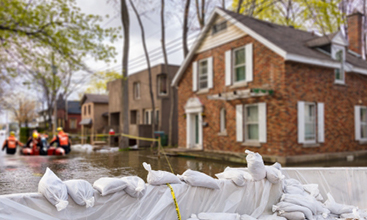
Natural disasters are another major cause of damage. Events like storms, floods, and wildfires can lead to a home property damage claim, and significant financial losses. Even burst pipes due to freezing temperatures can cause extensive issues.
Remember, these incidents often necessitate a claim for damage to property. This starts the process of seeking reimbursement for repairs.
Navigating a Property Damage Claim Lawsuit
When you file a lawsuit, you are taking legal action against the party responsible for the damage. This is a formal request to be “made whole” again.
Claims for compensatory damages cover repair costs. Consequential damages relate to the loss of use of the property. An example of consequential damage could be store that has a car go through the building forcing them to shut down while repairing it. Punitive damage doesn’t directly relate to property issues.
Property damage claims aim to address the harm. This and also potentially deter future negligence.
What To Expect With Your Property Damage Claim
When filing a property damage claim, be aware of specific deadlines. These can vary depending on your location and the type of damage.
Generally, you have a limited time, often around 3 years from the date of the incident, to file a claim in court. If you miss this deadline, your case may be dismissed. Your claim might be permanently barred after this period.
It’s crucial to identify the responsible party. This could be another driver in a car accident or their insurance company.
Who to Pursue for Damages
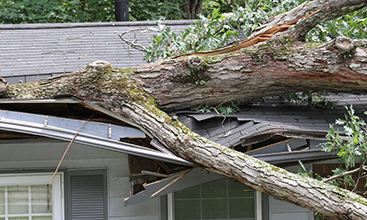
Sometimes, a neighbor’s tree might fall during a storm, damaging your house. In such a case, you’d file a property damage claim with their insurance.
You’ll file a claim with the property owners or whoever was responsible for maintaining the trees. Consider if a tree care company was involved as well.
| Scenario | Potentially Responsible Parties |
|---|---|
| Car Accident | At-fault driver, vehicle owner (if different) |
| Neighbor’s Tree Damage | Property owner, potentially the tree care company (arborist) |
| Construction defects like foundation cracks, or bad electrical work | Home Builder or contractor who performed the service |
What the Law States
States have differing requirements for minimum insurance coverage.
For instance, some drivers might have a $5,000 property damage liability policy limit. Some damages can easily exceed this amount.
Many drivers underestimate potential damage costs. This leads them to opt for minimum coverage.
You might explore other avenues for higher recovery. Although, many individuals may lack the resources to cover extensive damages.
Proof of Loss Claim Requirements
You must submit a written statement detailing the claim. This has to be signed by the insured party. Providing photos can strengthen your claim, offering visual evidence of the damage.
Insurance companies often require you to take certain actions to help the claims process. Your primary responsibility isn’t to pinpoint the exact cause of the damage, but to provide sufficient detail.
This might involve stating the issue. Then you will need to reference that repair estimates will likely exceed a certain amount.
Insurance Companies Do Not Work For You
You might ask, “What if my house is damaged, but it was caused by my neighbor’s tree?” In this scenario, you should strongly consider seeking professional assistance. A public adjuster can be a valuable resource.
Their primary focus is representing your interests. They will act as your advocate throughout the claims process.
Contacting a public adjuster before your insurance company can often save time and effort.
Know Your Rights with Your Insurance Company
Insurance regulations, such as those in Illinois, may require rental car coverage if you’re not at fault. These are located within Title 50, Subchapter l. This benefit ensures you have transportation while your vehicle is being repaired.
Insurance should also cover related expenses. For example, damaged child car seats need replacement, regardless of policy limits. Section 215 ILCS 5/143.32 of Illinois law addresses car seat replacement.
Types of Claims You Might Face
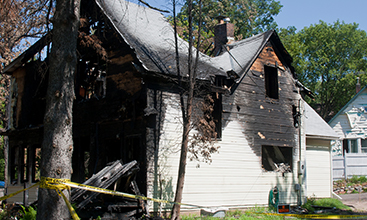
Unexpected events like fires have unique challenges. Collaborating with professionals after a fire can significantly reduce delays. Fire and smoke damage cause extensive disruption and require specialized restoration.
Water damage also poses significant risks to structures. Water in unwanted areas requires prompt remediation. Here are 5 common water damage issues.
Remember, if you have insurance, contact them first to understand their procedures for handling repairs. Initiating the claim with your insurer ensures they cover all eligible expenses. If costs exceed your coverage or your claim is denied, you might then need to pursue legal action for the remaining balance.
Various State Requirements
Requirements for notification and filing deadlines can differ significantly between states.
Knowing the specific timeframes requires consulting your state’s court system for precise dates. Nevada, for instance, sets a three-year limit for property damage recovery.
Florida, on the other hand, allows four years for similar claims. Texas has yet another timeframe for filing a property damage lawsuit.
Always verify your state’s specific regulations. Failure to comply can negatively impact your options.
Conclusion
Unexpected events, from a burst pipe to a fallen tree limb, demand immediate action. Addressing these situations and seeking fair compensation often involves filing a property damage claim.
Legal requirements and deadlines govern these claims.
Understanding how the insurance system functions, including filing a claim form, can lead to a smoother resolution. This, in turn, provides peace of mind, ensuring that the damage doesn’t continue to burden you financially.
Get help with repairs, contracting, and insurance claims
I’m John Morgenstern, a licensed California Public Adjuster. If you need help with repairs, or contracting, or have questions about the insurance claims process, I’m here to guide you every step of the way. Call our 24/7 live emergency hotline now at 310-926-1737.