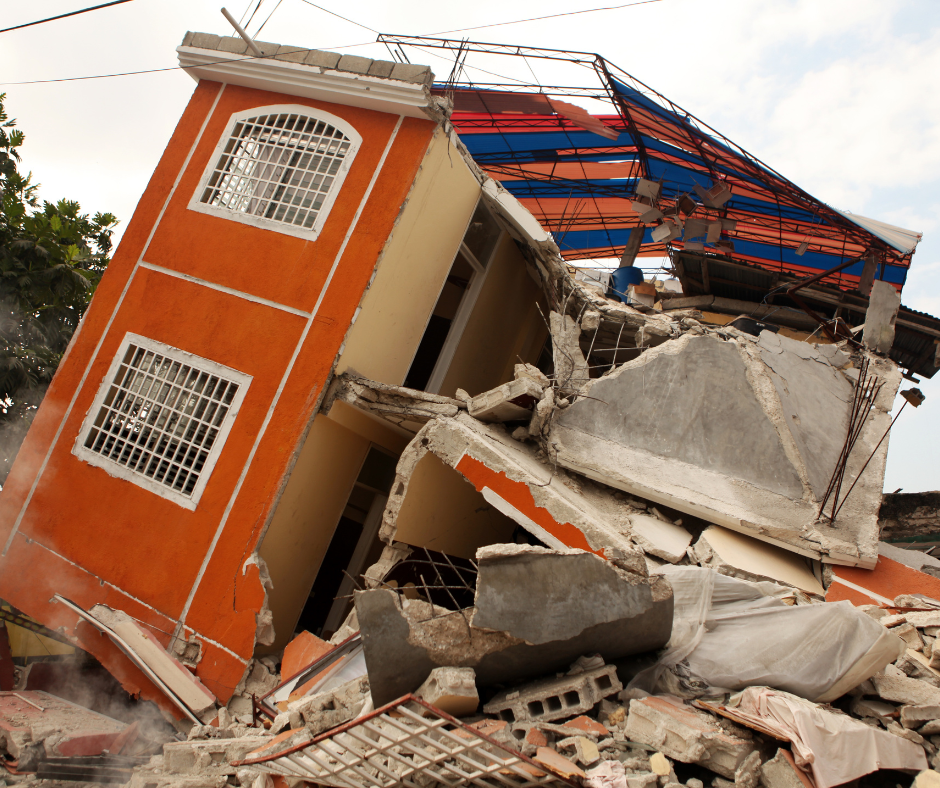
You’ve probably heard it before, especially if you live in areas with high seismic activity. The topic of “earthquake insurance” frequently comes up. We will cover what you should know about Earthquake Insurance and Claims Guidance.
For many, their home represents their most substantial investment. It is crucial to protect this investment. This guide addresses common questions and concerns.
Get help with repairs, contracting, and insurance claims
I’m John Morgenstern, a licensed California Public Adjuster. If you need help with repairs, or contracting, or have questions about the insurance claims process, I’m here to guide you every step of the way. Call our 24/7 live emergency hotline now at 310-926-1737.
Understanding Your Risk
- Understanding Your Risk
- Earthquake Insurance and Claims Guidance Coverage Essentials
- How Earthquake Deductibles Work
- Filing an Earthquake Insurance Claim
- Protecting Your Home: Retrofitting
- Making the Decision: Do You Need Earthquake Insurance?
- Earthquake Insurance Claim Tips
- Conclusion
Understanding Your Risk
Earthquakes aren’t limited to the West Coast. While California experiences many costly quakes, the risk is broader. Data from Aon reveals that California accounts for 6 of the top 10 costliest earthquakes in US history, but 42 states face some risk.
The United States Geological Survey (USGS) indicates that many states face seismic threats. The USGS mapping tool displays recent earthquake activity. This helps users visualize the real dangers, even showing events in places like North Carolina.
The New Madrid Seismic Zone (NMSZ) presents a concerning probability. There’s a 7-10% chance of a 7.5 magnitude quake in the next 50 years, and a 25-40% chance of a magnitude 6 event. These common earthquake events can cause substantial property damage.
The Reality of Earthquake Coverage
Surprisingly, few homeowners purchase earthquake insurance, even in high-risk zones. A Missouri Department of Insurance report highlighted a significant decrease in coverage in the New Madrid region. The number dropped from 60.2% in 2000 to just 11.4% in 2021.
Many mistakenly believe their standard homeowners insurance covers earthquakes. Standard policies typically exclude this coverage. High deductibles also discourage many from getting an earthquake policy.
Some rely on federal aid to cover all post-earthquake costs, but this assistance often comes in the form of a loan. Depending solely on government funding can create debt. It’s smart to consider all of your options.
Earthquake Claims and Insurance Guidance Coverage Essentials
What does earthquake insurance cover? Specifics vary by policy, but general components exist.
Earthquake insurance typically covers:
- Repairs to your dwelling (your house’s structure).
- Damage to other structures (like a detached garage).
- Personal property damaged inside your home.
- Increased costs to meet current building codes during repairs.
- Costs to stabilize the land beneath your home, if specified in your policy.
- Debris removal expenses.
- Additional living expenses, while your house is fixed.
It is important to understand the limits within those coverage types. Coverage for personal belongings often differs.
What Isn’t Covered?
Earthquake insurance policies have exclusions. Review your specific policy.
Here are some typical earthquake insurance policy exclusions:
- Fire: This is usually covered by your homeowner’s policy.
- Land: Damage like sinkholes or large cracks in your yard isn’t covered.
- Pre-existing Damage: Damage must occur due to the earthquake to be covered.
- External Water Damage: This includes floods and burst sewer pipes, which flood insurance can cover.
- Masonry Veneer: Decorative stones on your home might not be fully protected. The insurance might reduce repair costs based on lower-cost alternatives.
How Earthquake Deductibles Work
Home insurance policies usually have a flat deductible. Earthquake policies often use a percentage of your coverage limit, typically ranging from 10-20%.
Different deductibles may apply to various parts of your coverage. There might be separate deductibles for the house, outdoor structures, and personal property. You usually aren’t responsible for a deductible for additional living expenses.
How Insurance Companies Set Premiums
How do insurance companies determine your earthquake insurance premium? Several factors influence the cost.
These variables can impact your annual insurance payment:
- Location
- Reconstruction Expenses
- Construction Style
- Chosen Coverage
- Deductible Options
California mandates that all property insurance sellers offer earthquake coverage. The publicly managed California Earthquake Authority (CEA), supported by private funding, covers a large portion of homes in the state. In Los Angeles, there is a known earthquake risk.
Filing an Earthquake Insurance Claim
Have you experienced property damage and need to file a damage claim? Prompt communication with your insurance company is very important.
The claims process is manageable with diligence. Quick reporting and collaboration with your insurer are vital.
Key Steps After an Earthquake
After an earthquake, immediate action is important. Here’s a suggested approach:
- Safety first. Ensure you and your family are safe.
- Check for damage. Inspect both the interior and exterior of your home. Note both structural and cosmetic damage, and be cautious of potential gas leaks.
- Document everything. Take photos and create an inventory with estimated values. This documentation will help support any potential earthquake damage claims.
- Contact Your Insurance Company. Promptly report the claim. Starting the process quickly is important for efficient claim resolution.
- Work With the Adjuster. Be available to meet with the claim adjuster. Discuss the necessary repairs, associated costs, and coverage for additional living expenses.
- Keep Records. Maintain all documents, including the adjuster’s reports, repair estimates, and records of payments. Organized records can expedite the repair process.
Remember, some damage, especially foundation issues, may not be immediately apparent. These problems can take time to manifest.
Working With Your Insurance Company
Be prepared to answer questions from insurance representatives. Maintain detailed records of all communications. Provide comprehensive information about the property damage.
The insurance company might request additional inspections. This helps to accurately assess damage and provide fair compensation. Document the damage with photos and videos, and continue to communicate with the claim adjuster until your home is fully restored.
New research explores using laser technology to evaluate post-earthquake damage, particularly in larger buildings. This technology aims to enhance assessment speed and accuracy compared to traditional methods.
Protecting Your Home: Retrofitting
Another approach to addressing earthquake risks involves proactive measures. Take steps to minimize potential damage.
Consider these actions to improve your home’s stability:
- Bolt It Down: Securing your house to its foundation helps maintain its structural integrity, reducing damage and repair costs.
- Brace Chimneys and Water Heaters: Secure these elements to ensure your home remains functional and safe during tremors.
- Upgrade Walls: Strengthening “cripple walls” with durable materials like plywood improves earthquake resistance.
- Consider Shut-Off Gas Systems: Automatically shutting off gas can significantly reduce damage when earthquake motion is detected.
Retrofitting can potentially lower your earthquake insurance premium. Insurance companies recognize the reduced risk. For more details on retrofitting, consult expert groups like earthquakecountry.org/step4/.
What about Building Code Upgrades?
Insurance policies may include coverage to help fund these upgrades. However, these amounts require planning during construction.
Knowing these limitations upfront helps prevent confusion during future renovations. Consider your options.
Making the Decision: Do You Need Earthquake Insurance?
Should you obtain additional protection? Consider your financial situation.
Can you afford the rebuilding expenses? Carefully review what the coverage offers after a seismic event with a professional.
Here are questions a homeowner should consider:
- How likely are major earthquakes to impact the property? Check local risk data from trusted sources like the USGS.
- Could you afford to repair structural damage? Compare this to your available funds; unexpected factors often increase rebuilding costs.
- Does your existing standard household plan include earthquake coverage? Many explicitly exclude it.
- What peace of mind does securing housing stability provide? Weigh the emotional security of having an earthquake insurance policy.
- Does the potential cost of repair outweigh the long-term financial impact of lacking home safety? Thinking clearly about affordability is crucial.
Earthquake Insurance Claim Tips
After reporting earthquake damage, homeowners face important decisions regarding repairs. Take these actions:
- Review your existing homeowner’s insurance coverage carefully.
- Document everything thoroughly, obtaining estimates for all damages.
- Gather repair price estimations from multiple contractors.
- Consult with a structural engineer for a thorough inspection, especially considering potential foundation instability.
Getting the Best Help
Your insurance representative has experience with post-earthquake losses. However, an independent specialist can offer additional support.
| Profession | Assistance in Offering Guidance |
|---|---|
| Structural Engineer Professionals | Professional engineers evaluate the damage and recommend specific rebuilding requirements. Their reports document post-earthquake home conditions. |
| Public Loss Adjustment Advisor / Public Insurance Adjuster | These advisors advocate for policyholders, helping them maximize their insurance claims. They provide support in negotiations with the insurance company. |
| Contractor | Contractors handle structural repairs, providing expertise in cost estimation and construction. Skilled repair professionals can help ensure a timely rebuild. |
Remember, obtaining multiple expert opinions is essential to protecting your real estate investment.
Conclusion
We must be prepared for potential events. Preparation now can mitigate future impacts. Earthquake Insurance and Claims Guidance involves key steps.
Begin by researching local seismic risks and assessing your home’s construction. If appropriate, purchase coverage for potential damage. Protect your property and finances by obtaining adequate earthquake insurance.
If you have experienced seismic property losses or have questions regarding Earthquake Insurance and Claims Guidance, consult with a trusted public adjuster. The Morgan Law Group offers free consultations to explore your options. They are there for you for guidence.
Get help with repairs, contracting, and insurance claims
I’m John Morgenstern, a licensed California Public Adjuster. If you need help with repairs, or contracting, or have questions about the insurance claims process, I’m here to guide you every step of the way. Call our 24/7 live emergency hotline now at 310-926-1737.