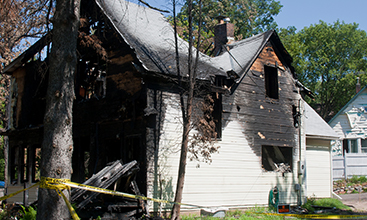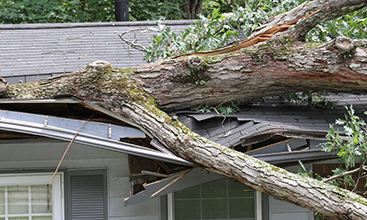

Imagine your home, your sanctuary, damaged by a sudden event. You’re stressed, and maybe a bit overwhelmed. Now you’re facing the challenge of dealing with home insurance claim adjusters.
It’s likely crossed your mind that you are going to deal with an insurance claim adjuster. They seem friendly, but this person works for the insurance company. This post aims to guide you through effectively managing this claims process to maximize your settlement.
Get help with repairs, contracting, and insurance claims
I’m John Morgenstern, a licensed California Public Adjuster. If you need help with repairs, or contracting, or have questions about the insurance claims process, I’m here to guide you every step of the way. Call our 24/7 live emergency hotline now at 310-926-1737.
Table Of Contents:
- Understanding the Role of Claim Adjusters
- Preparing for the Adjuster’s Visit
- Communication Strategies with Claim Adjusters
- Reviewing the Settlement Offer
- When to Seek Additional Help
- How Insurance Companies Assess Damage and Value
- More Tools To Navigate the Process
- Conclusion
Understanding the Role of Claim Adjusters
Claim adjusters play a central part in evaluating damage claims. Their goal is to investigate what happened. After that, they see how it measures up against the homeowners insurance policy.
They review damages and insurance adjusters will probably talk to witness statements. They might ask for more paperwork as part of your insurance claim.
What Do Adjusters Do?
Key responsibilities of claims adjusters involve receiving claims. Then, processing claims happens. The adjusters are the main person you contact when the claim gets processed.
They look at your home’s damage. Next, they calculate how much money or benefits to offer, and the adjuster determines the insurance company payout for damages.
Preparing for the Adjuster’s Visit
Before the adjuster arrives, gather all important documents. Collect your home insurance policy and any photos of the damage. List any damaged items with details, as this can prove valuable.
Being present during the inspection lets you show the adjuster all damaged areas. This reduces any missed damage because you are sharing everything from your perspective. This can increase chances of a fair settlement offer.
Documenting Damage Effectively
Thorough documentation supports your case with an adjuster. Take many clear pictures. Keep notes of all conversations with the claim adjuster to reference later.
Good records make sure no detail goes unnoticed. A history of the damage proves useful, too. For instance, if water damage is occurring or water marks are evident, it’s great to share photos that highlight the source of that home insurance water leak before having the damage cleaned.
Communication Strategies with Claim Adjusters
Keep communication clear. Use direct statements with your adjuster. Good communication involves being polite and keeping things professional always.
If you get confused, ask for clarity. It makes things smoother when the adjuster is aware you understand everything they have done as part of their analysis. Make sure they provide you with full breakdowns of how the settlement offer or denial comes together so it makes sense to you too.
What To Say (and Not to Say)
Talk about facts related to your damages. Always try and remain calm when you deal with the situation. Focus on details to help with your position, rather than sharing anything that could have negative effects later on.
Avoid admitting any responsibility to protect your insurance claim. You never know if more information will come about later on. Sometimes, details about your home insurance damage are found that make your case better, or worse, for you in the future.
Reviewing the Settlement Offer
After the inspection, you get a settlement offer. Take your time and review it. Carefully review what it covers, looking to see what it includes.
Make sure the offer matches your policy coverage and damage. A low offer can make you have an emotional response, but that reaction could cost you long term value if not acted on strategically. Consider material cost jumps, like the skyrocketing prices during COVID.
Negotiating Your Settlement
If the initial offer seems low, give clear reasons. Point out specific damages to prove it will take more than the offer provides to get the loss fully corrected. It is easier for them to revisit things when you point out details in this manner.
Many times an insurance company can modify their offer. In negotiation situations, stay polite. Aim to get fair value to fully complete the repairs, so you’re left with the same structure you had before the loss.
When to Seek Additional Help
Sometimes you might feel you hit a roadblock with a claim adjuster. Think about getting help if so. A public adjuster, who knows insurance, works on your behalf in a fair way, when hired.
This is your right. In complex cases, extra help from an insurance claim specialist can be your best step. Some places, such as Coverage.com, offer different ways to find out if an adjuster is certified.
Understanding Bad Faith Practices
In California, Insurance Code Section 790.03 outlines the rules around bad faith insurance practices. This code section holds insurance companies accountable for unfair claims settlement practices, including:
- Unreasonable delay or denial of claims
- ** Failure to conduct a thorough investigation**
- Refusal to pay claims without a valid reason
You can find more information on California’s Insurance Code Section 790.03 at California Legislative Information.
Remember, recognizing bad faith insurance practices can help you navigate difficult claims situations and ensure you receive fair treatment from your insurance company.
Knowing your rights keeps you strong against unfair treatment. But sometimes, they do treat homeowners poorly in the claims settlement. Many experts see that even when there’s no good reason to get treated bad, it sometimes happens.
How Insurance Companies Assess Damage and Value
The method used by companies can be complex and vary. Below is a glimpse of common ways. Notice how detailed documentation gets better results with a more complete and compelling case.
| Assessment Step | Description | Policyholder Action |
|---|---|---|
| Initial Report | The insurance company takes the first report of damage. | Give a clear, fast notification of your damages to the insurance company. |
| Damage Inspection | An adjuster views, then evaluates, your damaged property. | Be there during the inspection. Show them everything, without limitations. |
| Review of Policy | The adjuster checks policy terms against your damages. | Know your home insurance insurance coverage before the review. |
| Damage Evaluation | The adjuster measures replacement cost with software and insight. | Share fully documented damages, with any repair bills. |
| Settlement Offer | Based on claim and coverage analysis, adjuster offers claim value. | Review this against the actual value from a licensed contractor. |
The Claims Process Timeline
Time to complete these claims differ widely. But certain actions often speed up the process, or extend it longer. Many states mandate timelines in each aspect of your claim.
Effective time management is crucial when dealing with claim adjusters. Stay organized, and you’ll be more likely to get the results you need.
California’s Statute of Limitations for Personal Injury Claims
In California, Code of Civil Procedure Section 335.1 states that personal injury incidents have a two-year statute of limitations. This means you have two years from the date of the incident to take action.
Respond Promptly and Share Requested Documents
To ensure a speedy and efficient claims process:
- Respond quickly to requests from claim adjusters
- Provide all requested documents and information in a timely manner
By staying on top of your tasks and meeting deadlines, you’ll be more likely to get the results you need from your insurance company.
More Tools To Navigate the Process
Use extra resources and tips for the world of insurance claims. Different states give help on claims topics through resources. Georgia’s Office of Commissioner of Insurance and Safety Fire links to areas that teach policy basics.
Also online articles show dealing with claim situations. Listen to insights such as this Roofers’ Coffee Shop podcast, which explores claims after major storms. Learning from specialists adds depth of what’s possible when getting guidance.
Keeping Emotions in Check
Experiencing damage feels highly emotional and very stressful. But managing your energy proves critical to making an insurance claim. Keeping composed makes the difficult parts run easier.
Keep steady while facing settlement tasks with claim adjusters. You want focus so that logic remains. Practicing healthy things lets emotions get the best of you with stress.
Conclusion
Facing a home insurance event means dealing with all moving parts on the repair side. Dealing with home insurance claim adjusters can be more involved than it seems. Using tools that inform you helps you to stay educated as you work through the steps.
Always maintain professionalism with an insurance claims adjuster. This shows all parties, including contractors and the claims adjuster, that you’re knowledgeable. This approach conveys strength and helps avoid bad faith situations, too.
Get help with repairs, contracting, and insurance claims
I’m John Morgenstern, a licensed California Public Adjuster. If you need help with repairs, or contracting, or have questions about the insurance claims process, I’m here to guide you every step of the way. Call our 24/7 live emergency hotline now at 310-926-1737.