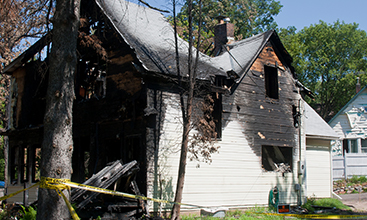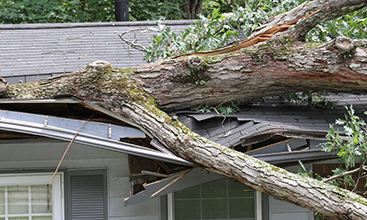
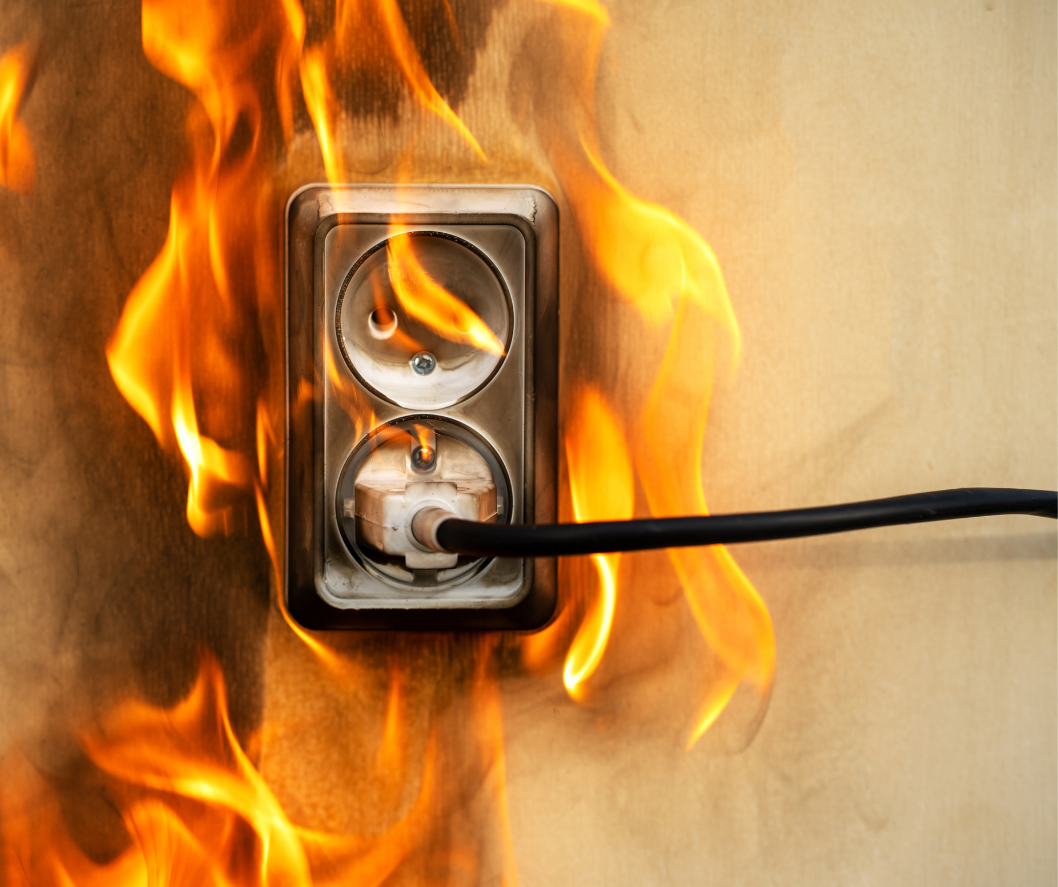
When protecting your property, understanding insurance coverage nuances is important. Many homeowners wonder, “is fire insurance the same as property insurance?”. The short answer is no, but their relationship is complex.
Fire insurance and property insurance are often used together, but they have different purposes. Fire insurance specifically covers damage caused by fires, property insurance is broader. It encompasses various types of protection for your home and belongings.
Get help with repairs, contracting, and insurance claims
I’m John Morgenstern, a licensed California Public Adjuster. If you need help with repairs, or contracting, or have questions about the insurance claims process, I’m here to guide you every step of the way. Call our 24/7 live emergency hotline now at 310-926-1737.
Table Of Contents:
- Understanding Property Insurance
- The Specifics of Fire Insurance
- Key Differences Between Fire and Property Insurance
- When Might You Need Separate Fire Insurance?
- The Importance of Understanding Your Coverage
- Navigating Policy Exclusions and Limitations
- The Role of Fire Insurance in Disaster Preparedness
- Conclusion
Understanding Property Insurance
Property insurance is an umbrella term covering many protections for your home and personal belongings. It’s designed to safeguard your property against various risks, not just fire damage. A standard property insurance policy, often called homeowners insurance, typically includes:
- The structure of your home.
- Personal belongings.
- Liability protection.
- Additional living expenses if you’re temporarily displaced.
These policies protect against perils, including fire, theft, vandalism, and certain natural disasters. However, standard property insurance policies often have exclusions for specific types of damage.
The Specifics of Fire Insurance
Fire insurance is more specialized. It protects your property against losses caused by fire and related perils. It is a subset of property insurance focusing on fire-related damages.
A typical fire insurance policy covers:
- Damage to the structure of your home caused by fire.
- Loss of personal property due to fire.
- Smoke damage.
- Water damage from firefighting efforts.
Some fire insurance policies may also cover additional living expenses if you must relocate temporarily due to fire damage.
Key Differences Between Fire and Property Insurance
To further clarify “is fire insurance the same as property insurance?”, let’s break down some key differences:
| Aspect | Fire Insurance | Property Insurance |
|---|---|---|
| Coverage Scope | Focused on fire-related damage | Broad coverage for various perils |
| Included Perils | Fire, smoke, water damage from firefighting | Fire, theft, vandalism, some natural disasters |
| Policy Type | Often a standalone policy or endorsement | Comprehensive policy (e.g., homeowners insurance) |
| Cost | Generally lower premiums | Higher premiums for broader coverage |
This table helps break down that although fire is included in both, the focus is different.
When Might You Need Separate Fire Insurance?
While most homeowners insurance policies include fire coverage, there are situations where you might purchase separate or additional fire insurance. One instance could be living in an area that is prone to wildfires.
- High-risk areas: If you live in a region prone to wildfires, additional fire coverage might be necessary.
- Vacation homes: These properties often require specialized coverage, including robust fire protection.
- Older homes: Structures with outdated electrical systems may benefit from extra fire insurance.
- Business properties: Commercial buildings often need specialized fire coverage beyond standard property insurance.
In these cases, it’s important to know that fire insurance isn’t the same as property insurance. You may need to supplement your existing coverage to ensure adequate protection against fire-related risks.
The Importance of Understanding Your Coverage
Knowing the difference between fire insurance and property insurance is important for several reasons:
- Adequate protection: Ensure you’re not underinsured for fire risks.
- Cost-effective coverage: Avoid paying for unnecessary duplicate coverage.
- Peace of mind: Understand exactly what perils your insurance policy covers.
- Claim preparation: Know what to expect if you need to file a fire-related claim.
Review your insurance policies regularly and consult with an insurance professional to ensure your coverage meets your current needs.
Navigating Policy Exclusions and Limitations
When considering if fire insurance is the same as property insurance, understand policy exclusions and limitations. Even comprehensive property insurance policies may have specific exclusions or coverage limits for fire damage. Common exclusions might include:
- Fires caused by war or nuclear hazards.
- Intentionally set fires.
- Fires resulting from certain natural disasters (e.g., earthquakes).
Additionally, some policies may have a coinsurance clause. This requires you to insure your property for a certain percentage of its value to receive full coverage for a claim. Understanding these details helps with getting adequate protection against fire risks.
Property insurance will not include coverage for everything, that is where many insurance types are available. You may need flood insurance in an area prone to flooding or add endorsements. An insurance company should go over your options.
The Role of Fire Insurance in Disaster Preparedness
While property insurance provides broad coverage, fire insurance is good for disaster preparedness, especially in areas prone to wildfires. The National Fire Protection Association reports that, a residential fire is reported every 88 seconds. This shows the importance of having robust fire coverage, whether part of your property insurance or as a separate policy.
When assessing your need for fire insurance, consider factors such as:
- Your home’s location and surrounding environment.
- The age and construction of your property.
- Local fire department response times.
- Your personal risk tolerance.
By evaluating these factors, you can decide whether your standard property insurance provides sufficient fire coverage. You may want to add additional protection. For example, your homeowner’s insurance might include coverage for damage caused by aircraft vehicles.
But, if you want specific shop insurance, those dwelling policies could look very different. You also may need extended coverage that may include vandalism and malicious mischief, depending on where your home is located. There are also insurance policies that will cover your personal belongings and even cover rent if it is a rental property.
Conclusion
In conclusion, is fire insurance the same as property insurance? While they are related, they aren’t identical. Property insurance is a broad category typically including some level of fire protection, while fire insurance focuses solely on fire-related damages.
Understanding this is crucial for homeowners and property owners for protection against potential risks, including fire. Your property covered amount should be evaluated annually.
The key to effective insurance coverage is tailoring your policies to your specific needs and risks. Regular reviews of your insurance coverage, consultations with insurance experts, and being informed about the different types of insurance available. Those things will help you maintain comprehensive protection for your insured property and peace of mind.
Get help with repairs, contracting, and insurance claimsI’m John Morgenstern, a licensed California Public Adjuster. If you need help with repairs, or contracting, or have questions about the insurance claims process, I’m here to guide you every step of the way. Call our 24/7 live emergency hotline now at 310-926-1737.