
You’ve probably landed here because you’re staring at a damp ceiling, maybe even a growing water stain, wondering, does homeowners insurance cover water damage from a leaking roof? It’s a frustrating situation, and one that nobody wants to experience. Dealing with a water damaged roof can be costly.
It’s also stressful trying to get an answer right away. Dealing with a leaky roof goes from an inconvenience to a potential disaster if it is not controlled, and you deserve answers quickly. It’s completely possible that homeowners insurance cover roof leaks.
Get help with repairs, contracting, and insurance claims
I’m John Morgenstern, a licensed California Public Adjuster. If you need help with repairs, or contracting, or have questions about the insurance claims process, I’m here to guide you every step of the way. Call our 24/7 live emergency hotline now at 310-926-1737.
What Typically Causes Roof Leaks?
- What Typically Causes Roof Leaks?
- Does Homeowners Insurance Cover Water Damage from a Leaking Roof and Other Damage Types
- The Importance of Finding Roof Leaks
- Cost, Deductibles, and Filing a Roof Leak Claim
- Changes, Updates and New Laws to Deal With
- Conclusion
What Typically Causes Roof Leaks?
Before you get too far down the rabbit hole of insurance claims, it can be helpful to understand *why* roofs leak. This helps when explaining your issue to the insurance provider.
There are quite a few culprits. Damage from severe weather events, like windstorms or hailstorms, are common causes, as cited by Policygenius.
Sudden and Accidental Damage
This is a phrase you’ll see come up repeatedly in insurance policies. Policies are written in a way to support events that couldn’t have been reasonably anticipated.
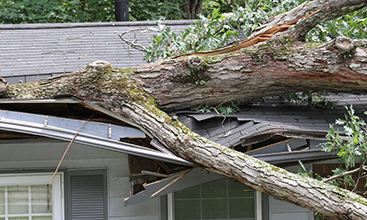
For example, if a massive tree branch comes crashing down on your roof during an unexpected storm, creating a hole that leads to water pouring in, that’s considered sudden and accidental. Progressive states that dwelling coverage in your policy might help cover repairs. If rain seeps into your house as a direct consequence of the roof water damage, your insurance should generally help.
A lightning strike that blasts a hole in your shingles and lets rain in would similarly be covered. This kind of unpredictable weather event is generally covered in many areas. Many locations have this type of policy.
The Slow Decline: Wear and Tear
This is where things get murky. Your standard homeowners insurance policy is often *not* going to cover problems caused by age and neglect.
Think of it like your car. You can’t put off oil changes for years and then expect the car insurance company to pay when the engine blows.
Regular home maintenance helps prevent these problems from escalating. If shingles gradually decay, crack, and curl over many years, ultimately causing leaks, your insurance provider likely won’t cover the repair. An umbrella policy would also likely not cover wear and tear.
When Ice and Snow Build Up
Ice dams can form, leading to water backing up under your shingles. This can do a lot of damage.
While sudden ice storm damage might be covered, problems that occur from snow gradually building for weeks are often seen differently. Policygenius says an insurance company might view this gradual build up as neglect, not a sudden event, and the provider may even decline it.
Does Homeowners Insurance Cover Water Damage from a Leaking Roof and Other Damage Types
Your personal belongings damaged from covered roof leaks typically fall under your policy. So if that storm that knocked the tree branch onto your roof also ruined your furniture, you might be covered.
Review your policy. See exactly how much you are protected for. Personal umbrella policies may offer additional coverages.
| Type of Damage | Covered by Homeowners Insurance? | Explanation |
|---|---|---|
| Sudden Wind/Hail Damage | Usually | Damage caused by strong wind, and storms should get homeowners insurance to cover roof damage. |
| Lightning Strike | Usually | Policies consider damages caused by lightning striking a roof and causing leaks as unexpected events. |
| Weight of Ice/Snow (Sudden) | Usually | Sudden collapse of roofing due to accumulated snow will often lead to payouts to the insured. |
| Fallen Tree (due to storm) | Usually | A tree, or branch, that fell onto your property in a storm can typically be covered if it created an unexpected hole. |
| Wear and Tear | Rarely | Roof damage that gradually declined with time. ValuePenguin indicates leaks of this nature aren’t covered. |
| Animal Damage | Rarely | Squirrels, rodents, or even other pests living on your roof that lead to water leaking will not likely be covered. |
| Mold (due to covered leak) | Sometimes | Mold that results directly from the unexpected and not prolonged water damage has a possibility of getting fixed with an insurance policy. |
| Flood Damage | No | Flood waters will not be protected in your homeowners insurance policy. You would need separate flood insurance. |
Animal-Related Roof Issues
Squirrels are great for nature. Although squirrels residing on your roof could be a bigger problem.
Animals and pests are problematic to the integrity of your roof and property. Chewing and digging can be hard for anyone to catch, causing extensive gradual water to damage. This almost always creates issues with your insurance policies because the policies usually only want to deal with a “sudden and accidental event”.
When Mold is a Consequence
Mold *can* sometimes be covered. It often depends.
If mold grew rapidly in the week after a storm blasted a hole in your roof, that may fall under covered perils. But mold that formed after months of slow leaks is more of an uphill battle to have your provider fix the insurance coverage issue.
The Importance of Finding Roof Leaks
Here is the reality of dealing with any issue in your home. Ignoring even the small potential water leaks only allows time for it to become bigger problems.
It might be as easy as paying a few hundred dollars out-of-pocket for a quick repair that prevents a few thousand dollar mess with mold damage remediation. Here are the best things to do in order to minimize costs and damage:
- Check regularly for the early signs of a problem in the house, such as a water stain, or even musty smelling areas. Be on the lookout for this in areas away from the exterior walls in the building.
- Don’t underestimate doing regular visual inspection of your roof itself to see the condition. Spot any loose and missing parts to stay ahead of a potential costly leak and repair.
- Make any smaller needed repairs that may arise *before* more trouble can surface from it. It’ll be a more simple and cost effective step.
Why Quick Action Matters for Claims
This isn’t *just* about preventing water damage from getting worse, though that is a great point. Your chances of having your payout is higher if you discover and act, fast.
Your insurance company will expect you to do reasonable things. So, noticing a damp patch on your ceiling and quickly calling someone to look is you doing the expected “reasonable things” that they want policy holders to do. A financial advisor may even recommend getting these things handled quickly.
Cost, Deductibles, and Filing a Roof Leak Claim
Even if your roof leak seems minor, knowing potential costs matters, and will influence if it even makes sense to file a claim. Angi notes that roof repairs often run between $379 and $1,795, although more significant damage might mean an even higher expense.
This should make you pause. Does the expected payout make sense? Contact a professional for more assistance.
This makes sense from the provider’s side of course, but the value to the property owner can sometimes come into question on small issues that are not much greater in cost than the deductible the provider demands.
When To Call, and When to DIY?
Unless you’re experienced with roof repair, attempting major fixes by yourself might be too risky and costly. ValuePenguin warns it could void your warranty or make any future claim impossible.
This highlights that the professional touch can bring expertise. Even simple repairs might warrant paying a few hundred for expert results, over you figuring it out.
Changes, Updates and New Laws to Deal With
Staying informed is not simply reading through the same article several times for several years. It means learning changes in new insurance coverage updates. You may need to adjust your budget if mortgage rates are also going up.
The insurance world isn’t static. Policies are constantly reviewed and updated.
New Florida-Specific Rules to be Aware Of
There are rules now regarding policies. In Florida, SB 76 went into effect, a bill with the stated aim of decreasing bogus roof replacement claims.
This means insurance companies in that region now could have extra specific things you are required to meet for certain types of payouts. Stay in communication with your insurance policy to stay ahead of the curve. This is also a good time to check on things like your CD rates to see other potential areas you can maximize.
Conclusion
The frustrating answer to does homeowners insurance cover water damage from a leaking roof is often: “it depends.” But that does not mean that you’ll always lose in this circumstance.
While sudden damage from storms has a far better chance of coverage, gradual wear and tear frequently doesn’t. Quick action to address even small issues and to file claims is also super important, even critical, on claims getting settled.
Get help with repairs, contracting, and insurance claims
I’m John Morgenstern, a licensed California Public Adjuster. If you need help with repairs, or contracting, or have questions about the insurance claims process, I’m here to guide you every step of the way. Call our 24/7 live emergency hotline now at 310-926-1737.