Living in California means being prepared for the unexpected, especially earthquakes. But what does it really cost to protect your home from seismic activity? Earthquake insurance rates in California can vary greatly. This leaves many homeowners unsure if the investment is worthwhile. Let’s explore earthquake insurance rates in California and the factors influencing these costs.
When I moved to California, I was surprised that my standard homeowners insurance didn’t cover earthquake damage. It’s a common misconception. To protect against earthquakes, you need a separate earthquake insurance policy. If you’re considering purchasing earthquake insurance, it’s essential to understand the process of filing a claim and getting the maximum payout for your damages. Vi sit this page earthquake insurance claims for more information.
Understanding Earthquake Insurance Rates in California
Earthquake insurance rates in California aren’t uniform. They can range from a few hundred to several thousand dollars annually. Recent data from the California Department of Insurance indicates that California homeowners can expect to pay around $1,874 per year for earthquake coverage.
But why such a wide range? Let’s explore the factors influencing these insurance rates.
Location, Location, Location
Your home’s location significantly affects your earthquake insurance rates in California. Homes near active fault lines or in high seismic activity areas usually have higher premiums. For example, a San Francisco homeowner might pay between $4.08 and $4.58 for every $1,000 of coverage, while someone in a less quake-prone area could pay less.
Age and Construction of Your Home
Your house’s age and construction significantly impact earthquake insurance rates. California homes built before 1980, particularly those on raised foundations, often have higher premiums. Older homes may not meet current seismic standards, making them more vulnerable to earthquake damage.
However, if you’ve retrofitted your home or it was built with earthquake-resistant materials, you may qualify for lower insurance rates. The California Earthquake Authority (CEA) offers premium discounts for homes meeting specific seismic safety criteria. These premium discounts are a great way to save money.
Coverage Limits and Deductibles
The coverage amount you choose and your deductible directly affect your earthquake insurance rates in California. Higher coverage limits mean higher premiums. Opting for a larger deductible can lower your monthly costs.
Most California earthquake insurance policies come with deductibles ranging from 5% to 25% of your coverage limit. It’s a balancing act. A higher deductible means lower premiums, but you’ll pay more out of pocket if disaster strikes.
Comparing Earthquake Insurance Rates Across California
To illustrate how earthquake insurance rates in California can vary, let’s examine some specific examples. Keep in mind that insurance companies have different insurance rates.
| City | Average Annual Premium |
|---|---|
| San Diego | $1,739 |
| San Jose | $1,662 |
| San Francisco (Glen Park) | $1,927 |
| Fresno (Sunnyside) | $1,788 |
| Fremont | $500 (approximate low-end) |
| Santa Clarita | $3,000+ (approximate high-end) |
These figures, sourced from SmartFinancial, demonstrate how much insurance rates can change based on your location in California.
Is Earthquake Insurance Worth the Cost?
Given the high premiums, you might wonder if earthquake insurance is worthwhile. California has a 99% chance of a magnitude 6.7 or higher earthquake in the coming years. This sobering statistic makes earthquake insurance a necessary precaution.
However, many Californians opt out of earthquake coverage. The high deductibles can deter people. If you have a 15% deductible on a $500,000 policy, you’d pay the first $75,000 in damages before your insurance coverage begins. That’s a substantial sum for most homeowners, and a good reason to consider if the insurance premium is worth it.
The Real Cost of Going Without Coverage
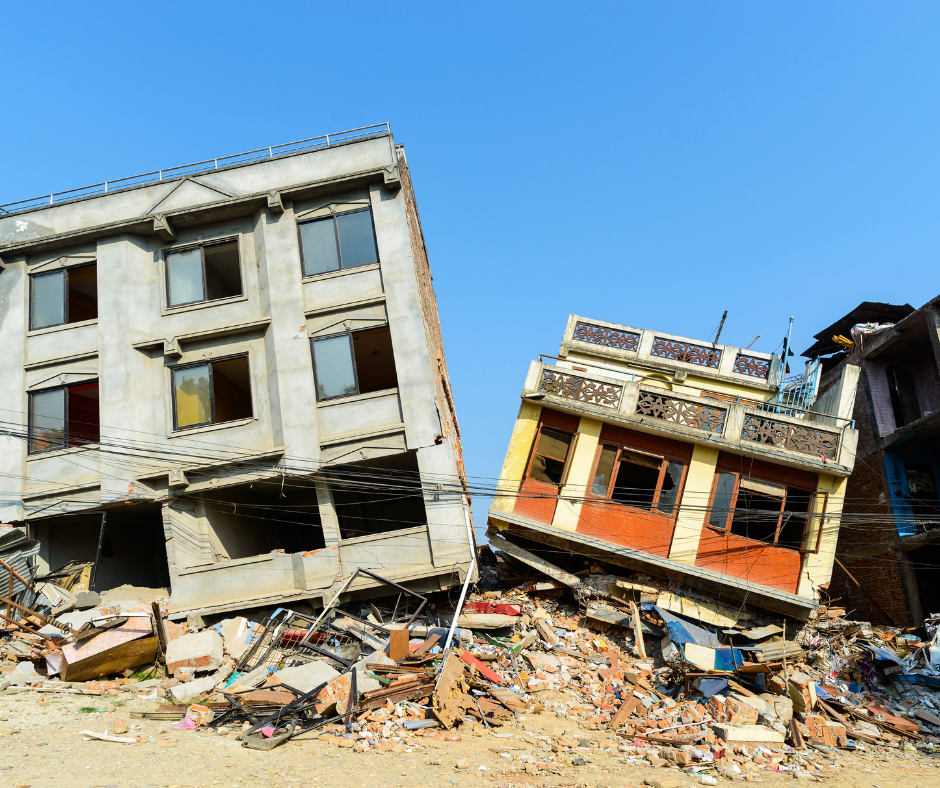
While earthquake insurance rates in California may seem steep, not having coverage could be catastrophic. FEMA assistance after an earthquake is limited and often insufficient to cover major structural damage. As one Reddit user noted, “Yes, the deductible is huge, it is not for repairing a cracked wall, it’s for my house falling down.”
How to Lower Your Earthquake Insurance Rates in California
If you’re convinced earthquake insurance is essential, here are strategies to potentially lower your rates.
- Retrofit your home: Seismically retrofitting your home can qualify you for discounts on your earthquake insurance.
- Shop around: Don’t settle for the first quote. Compare rates from different insurers, including the CEA and private companies.
- Adjust your deductible: Opting for a higher deductible can lower your premiums, but ensure you can afford the out-of-pocket costs if an earthquake hits.
- Bundle policies: Some insurers offer discounts if you bundle your earthquake coverage with other insurance policies.
- Consider a CEA policy: The California Earthquake Authority often offers competitive insurance rates and flexible coverage options.
Understanding CEA Earthquake Insurance
The California Earthquake Authority (CEA) is one of the world’s largest providers of residential earthquake insurance. CEA earthquake insurance policies offer a range of coverage options and deductible options to suit different needs and budgets. CEA offers policies for homeowners, renters, and condo unit owners. Understanding CEA policies is key to making an informed decision.
CEA Policy Features
CEA policies provide coverage for dwelling coverage, personal property, and additional living expenses. They offer deductible options ranging from 5% to 25%. A CEA policy is a popular choice for many Californians seeking residential earthquake insurance. CEA offers various premium discounts for earthquake preparedness.
Earthquake Preparedness and Mitigation
Beyond insurance, earthquake preparedness is crucial. Retrofitting your home is one of the most effective mitigation measures. Securing furniture and creating an emergency plan are also important steps. Preparedness resources are available from various organizations, including the CEA.
Retrofitting for Earthquake Safety
Retrofitting involves strengthening your home’s foundation and structural components to better withstand seismic activity. The California Earthquake Authority (CEA) and other organizations offer programs like the BOLT grants to assist homeowners with retrofit costs. A seismic retrofit can significantly reduce structural risks.
The Role of Homeowners Insurance
It’s important to note that standard homeowners insurance policies typically don’t cover earthquake damage. Earthquake coverage requires a separate earthquake insurance policy. Understanding what your homeowners insurance covers is essential.
Earthquake Coverage vs. Homeowners Coverage
Homeowners insurance covers damages from events like fire, wind, and theft. It doesn’t cover earthquake damage. Earthquake insurance specifically covers losses resulting from seismic activity.
Finding the Right Earthquake Insurance Provider
Choosing the right insurance provider is crucial for obtaining adequate coverage at a reasonable cost. Researching different insurance companies and comparing quotes can help you find the best policy. Consider both private insurers and the CEA.
Largest Providers of Earthquake Insurance
Several insurance companies in California offer earthquake coverage. These range from national carriers to regional providers. The California Earthquake Authority (CEA) is one of the largest providers of residential earthquake insurance.
Earthquake Insurance for Different Types of Homes
Earthquake insurance needs can vary depending on the type of home you own. Coverage options and insurance rates may differ for single-family homes, manufactured homes, and condo units. Understanding these differences is important.
Coverage for Condo Units and Manufactured Homes
Condo unit owners typically need coverage for their personal property and interior dwelling. Manufactured homes require specialized earthquake insurance policies due to their unique construction. A residential insurer can guide you through the specifics.
Understanding Deductible Options
Deductibles play a significant role in determining the overall cost of earthquake insurance. Higher deductible options typically result in lower insurance premium costs, but they also mean higher out-of-pocket expenses in the event of a claim. Carefully consider your deductible options.
Choosing the Right Deductible
Selecting the appropriate deductible involves balancing affordability and risk tolerance. A lower deductible means you’ll pay more upfront in insurance premium, but less out-of-pocket if an earthquake occurs. Conversely, a higher deductible lowers your insurance premium but increases your financial responsibility after an earthquake.
Factors Affecting Policy Cost
Several factors can influence the policy cost of earthquake insurance. These include the location of your home, the age and construction type, coverage limits, and chosen deductible. Assessing structural risks is essential for accurate insurance rates.
Structural Risks and Insurance Rates
Homes with structural weaknesses, such as unreinforced foundations or inadequate bracing, are considered higher risks. This can result in higher insurance premium costs. Addressing these risks through retrofitting can help lower your insurance premium.
Frequently Asked Questions (FAQs) About Earthquake Insurance
What does earthquake insurance cover?
Earthquake insurance typically covers damage to your home’s structure, personal belongings, and additional living expenses if you need to relocate temporarily due to earthquake damage.
Is earthquake insurance required in California?
No, earthquake insurance isn’t legally required in California. However, it’s strongly recommended, especially if you live near active fault lines.
How is the cost of earthquake insurance determined?
The cost is determined by factors like your home’s location, age, construction type, coverage limits, and deductible.
What is the California Earthquake Authority (CEA)?
The CEA is a publicly managed, privately funded organization that provides residential earthquake insurance in California.
Are there any discounts available for earthquake insurance?
Yes, discounts are often available for homes that have been seismically retrofitted.
Does homeowners insurance cover earthquake damage?
No, standard homeowners insurance policies typically don’t cover earthquake damage. You need a separate earthquake insurance policy.
What is a deductible?
A deductible is the amount you pay out of pocket before your insurance coverage kicks in. Higher deductibles usually result in lower premiums.
How can I lower my earthquake insurance premium?
You can lower your premium by retrofitting your home, shopping around for quotes, and opting for a higher deductible.
What areas in California have the highest earthquake risk?
Areas near major fault lines, such as the San Andreas Fault, have the highest earthquake risk.
Where can I buy earthquake insurance?
You can purchase earthquake insurance through the California Earthquake Authority (CEA) or private insurance companies.
Conclusion
Earthquake insurance rates in California can be complex, and making the right choice requires careful consideration. While the insurance costs can be considerable, the potential financial impact of an earthquake without coverage is a greater concern. The insurance premium and policy cost should be weighed with your personal risk assessment.
As you evaluate your options, remember that earthquake insurance protects your property, financial well-being, and peace of mind. The decision to buy earthquake insurance should align with your circumstances, risk tolerance, and financial situation. By understanding the factors influencing insurance rates in California and exploring ways to potentially lower your insurance premium, you can make an informed decision. Consider obtaining an insurance premium estimate to help guide your decision. You can then protect yourself and your home from the unpredictable forces beneath our feet with earthquake insurance rates.
Get help with repairs, contracting, and insurance claims
I’m John Morgenstern, a licensed California Public Adjuster. If you need help with repairs, or contracting, or have questions about the insurance claims process, I’m here to guide you every step of the way. Call our 24/7 live emergency hotline now at 310-926-1737.