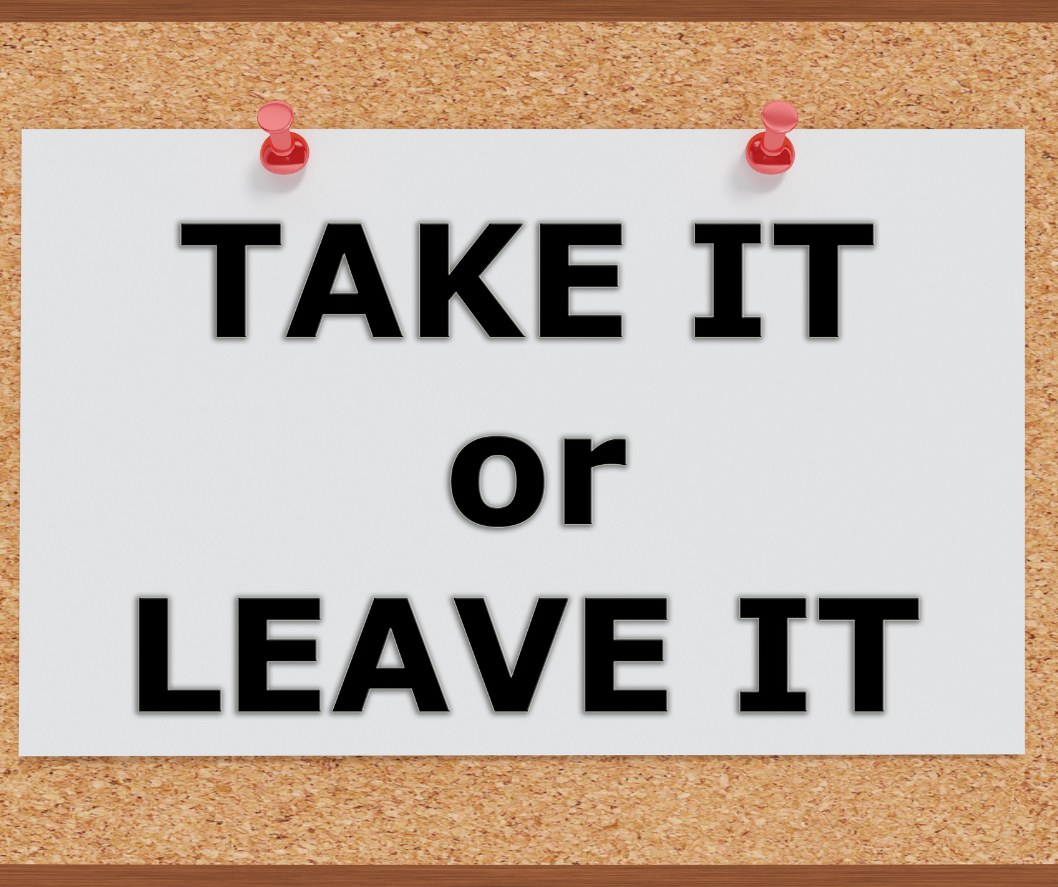
Ever feel like you’re signing your life away when you get an insurance policy? You’re presented with pages of dense text, and it’s basically a “take it or leave it” situation. This is where the concept of adhesion insurance comes in, leaving many people unsure of its full implications.
Adhesion insurance refers to those standard form contracts where one side (the insurance company) has all the power. They write the policy, and you, the consumer, have to accept it as is. The simplest definition of adhesion insurance involves any “take it or leave it” agreement between yourself and your insurer.
Get help with repairs, contracting, and insurance claimsI’m John Morgenstern, a licensed California Public Adjuster. If you need help with repairs, or contracting, or have questions about the insurance claims process, I’m here to guide you every step of the way. Call our 24/7 live emergency hotline now at 310-926-1737.
Table Of Contents:
What Exactly is a Contract of Adhesion?
These contracts are drafted entirely by the insurance company. The consumer is then presented with a “take it or leave it” offer. This is very common because insurers deal with so many customers.
It’s much more efficient to use standardized forms. This setup also ensures there is base consistency for every customer across policies. Think about auto, home, or health insurance – most of those agreements include consistent terms for everyone.
Key Differences from Negotiated Contracts
In a regular contract, both sides negotiate and can make changes. That’s simply not the case with contracts of adhesion, where one party writes the offer. With typical contracts, there’s equal bargaining power, allowing both parties to contribute their thoughts or edits.
However, this just isn’t practical with a larger provider like an insurer. These set terms keep business running. Adhesion contracts become legally binding.
Why Insurance Uses Adhesion Contracts
Adhesion contracts maintain consistent language for everyone signing up. The purpose is to streamline the issuing of policies, limiting changes between policyholders. Standard language becomes critical across numerous policies with all types of potential loss claims that policyholders might file.
Adhesion contracts aren’t just in insurance. Think of situations like accepting “Terms & Conditions” online before proceeding. Actions like these include legally binding requirements.
The Legal Side of Adhesion Insurance
Are these “take it or leave it” contracts actually enforceable? The short answer is, generally, yes. The Uniform Commercial Code (UCC), adopted with minor variations across US states, generally supports these documents in court.
The UCC provides guidelines for commercial transactions. Due to their one-sided nature, adhesion contracts are also carefully scrutinized for fairness. Provisions are in place to address this.
The Doctrine of Reasonable Expectations
Courts sometimes use the “reasonable expectations doctrine.” The idea is simple: a standard term should protect the policyholder and align with their understanding of the agreement. The reasonable expectations doctrine helps balance one-sided contracts, serving as a crucial defense for the insured consumer.
The terms on an adhesion contract cannot contradict what a policyholder would reasonably expect the policy to offer. This doctrine aims to ensure fairness in the agreement.
Unconscionability in Adhesion Contracts
The UCC also addresses unconscionable contracts. A court can refuse to enforce a contract it deems unconscionable. Actions by your insurer, whether willful or negligent, can provide you with the protection needed to argue against unjust terms.
What does “unconscionable” mean in practical terms? If a contract is exceptionally unfair to you, the signing party, a court can declare it unenforceable. This principle addresses fundamental fairness concerns.
Common Examples and Characteristics
These agreements are common in many transactions today. Often an Adhesion Contract format exists between you, as the consumer, and a larger company. Many situations involve adhesion insurance contract concerns.
Everyday Examples
Consider buying a plane ticket or agreeing to a new software’s terms of service. Healthcare paperwork, including accepting treatment risks, often sets obligations like payment responsibilities. These scenarios frequently involve adhesion contracts.
Even leasing an apartment is an adhesion contract. You aren’t always required to negotiate lease terms, as most use standardized language. Car loans and service agreements for your phone often fit this category as well, featuring non-negotiable terms.
Hallmarks of Adhesion Contracts
One key feature is power imbalance: the party with greater leverage writes and controls the agreement. Think of the “Terms & Conditions” for most of your apps—software often follows this structure, illustrating a standard form contract.
There’s little room for negotiation; standardized language is common across offered services. Being careful to read before accepting is important because courts generally consider contracts legally binding once agreed upon. These are hallmarks for a standardized contract as well.
Benefits and Drawbacks
Adhesion contracts can benefit both sides. Although, potential drawbacks exist in the long run.
Advantages for Insurers
Efficiency is a major advantage. There is no need to negotiate numerous unique documents for thousands of signups. Consistency means using the same template with language that can be easily referenced later.
This standardization helps protect companies by limiting their risks. Ultimately, all consumers are treated similarly, without special cases slowing down the insurer’s operations.
Disadvantages for Consumers
You have less power in the interaction. These set requirements create many rules for a consumer. Acceptance is a single offer a consumer might not fully align with or understand the implications of, impacting their bargaining strength.
Standard forms mean your coverage may not be perfectly suited to your needs. While convenient, the terms usually favor the company’s protection. This highlights a potential disadvantage for consumers.
How to Protect Yourself
Just because these contracts are common doesn’t mean you’re powerless. Legal precedents exist, and the law protects individuals in various scenarios. Knowing these can be an element of consumer protection overall.
Know Your Rights
Various laws aim to protect consumers. An insurance provider is legally obligated to honor valid claims and fulfill the policy agreement in the Adhesion contract you accepted. Ideally it is smart to always do a review before agreeing.
It gets complex, so finding an expert may help. If parties cannot reach an amicable agreement, attorneys can support claims where independent resolution is impossible.
When to Seek Help
When dealing with property damage claims, it’s essential to work with professionals who can guide you through the process and ensure you receive fair compensation. Consider partnering with experts like attorneys or public adjusters who have extensive knowledge of the claims process and can advocate on your behalf.
If you feel unfairly treated or suspect a breach of contract, consider seeking help. If something seems off or unjust, legal standards apply. Attorneys bring significant experience to legal concerns.
Organizations exist to protect consumers. For instance, in California, services are available to support your situation. This proactive step can be beneficial. You can also seek the expertise of professionals like those at Smart Public Adjusters, who can help you navigate the complex claims process and ensure you receive the compensation you deserve.
Adhesion Insurance in Action: Case Study
Consider a real-world scenario involving confusion over a home insurance policy. Suppose someone experiences water leak damage and files a claim. The insurance companies will refer to the language within the adhesion contract itself.
If a “gray area” exists in the terms, an investigation is typically conducted. Expert investigations are common with policies using standardized agreements. This applies to fire damage and other cases where standardized policies are common, demonstrating how insurance claims are handled.
In many cases, adjusters act as neutral parties to assess the situation fairly. The state or courts can appoint these adjusters, and court decisions become part of the public record, as in this specific claim situation. These agreements help companies manage at scale, supporting both the insured and the policyholder through legal guidelines.
| Aspect | Description |
|---|---|
| Definition | Standardized contract offered on a “take it or leave it” basis. |
| Negotiation | Minimal to none; terms are typically non-negotiable. |
| Common Use | Insurance policies, software licenses, service agreements. |
| Legal Standing | Generally enforceable, but subject to scrutiny for fairness. |
Conclusion
Adhesion insurance involves those common “take it or leave it” policies. While efficient and consistent, they place consumers in a weaker bargaining position. However you can work through understanding the general language to feel more comfortable.
By understanding your rights and how these contracts work, you can protect yourself. Remember, support and legal experts are available when facing unfair terms from an insurance company. Reading requirements before accepting is always beneficial, it helps in feeling confident about your agreement, despite its limitations and is key to understanding policy terms.
Get help with repairs, contracting, and insurance claimsI’m John Morgenstern, a licensed California Public Adjuster. If you need help with repairs, or contracting, or have questions about the insurance claims process, I’m here to guide you every step of the way. Call our 24/7 live emergency hotline now at 310-926-1737.