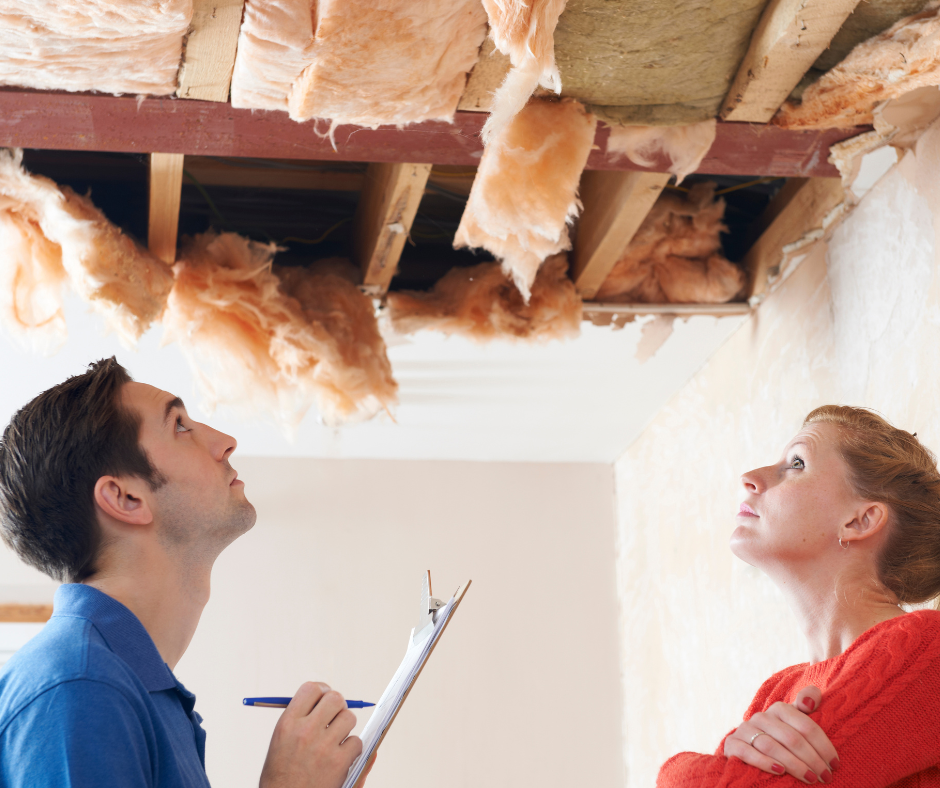
You’re a homeowner and you’ve received a notice from your insurance company. They are requesting a home inspection. The big question on your mind might be, “can I refuse a home insurance inspection?” It’s normal to feel a bit protective of your space.
The short answer is yes. However, refusing a home insurance inspection can affect your home insurance coverage.
Get help with repairs, contracting, and insurance claims
I’m John Morgenstern, a licensed California Public Adjuster. If you need help with repairs, or contracting, or have questions about the insurance claims process, I’m here to guide you every step of the way. Call our 24/7 live emergency hotline now at 310-926-1737.
Why Do Insurers Need Home Inspections?
- Why Do Insurers Need Home Inspections?
- Can I Refuse a Home Insurance Inspection and What Could Happen?
- Navigating the Home Insurance Inspection Process
- Frequently Asked Questions (FAQs) about Home Insurance Inspections
- Conclusion
Why Do Insurers Need Home Inspections?
Home insurance companies conduct inspections to assess risk. It’s similar to a check-up for your home. An inspection helps verify application information for accuracy.
Inspection findings can influence policy renewals, coverage, and premiums. Companies want assurance the property is well-maintained to lower chances of claims.
Risk Assessment and Underwriting
A primary reason for inspections is to evaluate the risk of insuring a property. Inspectors examine various aspects of the home. This helps insurance companies predict future claims.
Inspectors look at both the exterior and interior of your home. Insurers consider factors such as:
- The age of your roof.
- The materials used in your roof.
- The condition of your plumbing system.
- The quality of your electrical systems.
- The overall structure of your home.
By evaluating these elements, home insurance providers can estimate the likelihood of future claims. They accurately assess potential risks involved.
Checking Your Information
Inspections help insurance companies maintain fair pricing. They check information provided by customers. This also discourages fraudulent behavior.
Observed details are compared with those on file. This confirms that nothing important has been omitted during the underwriting process.
Spotting Hazards Early
Inspections help insurance providers find problems early on. The focus is usually on areas of the home most likely to cause claims.
Consider old wiring in the attic. Or plumbing systems that are close to failure. Addressing problems earlier may keep your insurance rates from going up.
Can I Refuse a Home Insurance Inspection and What Could Happen?
You *can* technically refuse. The Fourth Amendment protects homeowners, preventing insurers from entering without permission.
Most home insurance policies contain clauses that grant insurers the right to request inspections. If you choose not to cooperate, your insurance company has several options.
Policy Cancellation
Your provider might cancel your policy. They may discontinue coverage because you won’t provide needed information.
It’s important to consider the risk of cancellation. Getting new home insurance afterward can be difficult. A canceled homeowners insurance policy makes it difficult to find new insurance.
Premiums Can Get Out of Hand
The insurer may not cancel your insurance policy entirely. But you may face higher premiums.
Without an inspection, assessing risk is difficult. This lack of information often leads to higher premiums.
Reduced or Denied Claims
Refusing an inspection may impact your ability to file claims. If damage occurs related to issues the inspection would have covered, your coverage could be affected. The insurer may reduce or even deny payment.
This relates to risk assessment. Insurance companies will avoid high risks, which is poor for their finances.
Navigating the Home Insurance Inspection Process
Instead of viewing it as an intrusion, consider it an opportunity. An inspection can help identify potential issues that can improve your home’s safety. And, when the repairs are made, this helps avoid your insurance rates increasing.
Insurance companies should schedule inspections at convenient times. You also have a right to understand the inspection’s scope and its findings. Homeowners can have a real estate agent or a financial advisor present.
Types of Inspections
Different types of inspections target specific areas:
- 4-Point Inspection: For older homes, they check the roof, electrical, plumbing, and HVAC systems.
- Full Inspections: Have a wider scope. These inspect your foundation, windows, or other areas of the property that might pose additional risks.
- Exterior Inspection: Your insurer might only check the outside. These are generally quick inspections.
Addressing obvious repairs before the inspection will be good for everyone. For the exterior, look out for:
- Damage on the roof.
- Blocked gutters.
- Loose hand railings.
- Proper function of safety devices, such as smoke detectors.
Keep records of major repairs. This prep is a wise long-term home maintenance strategy.
Working *With* Your Insurer
Communication is essential. Ask your agent what the insurance inspector will be checking. If you have concerns, request a detailed inspection report.
| Area Inspected | Potential Issues | Possible Consequences for Homeowner |
|---|---|---|
| Roof | Missing shingles, leaks, deterioration, tree damage. | May need repairs or a new roof to get coverage. Water damage claims could be denied, as well as any claims from HVAC problems that happen from any water damage. |
| Systems Electrical | Old wiring, overloaded circuits, bad outlets. | Might need system updates to meet current standards. Premiums can increase. |
| Plumbing | Leaks, old pipes, water damage, low water pressure. | Issues must be fixed. Insurance may limit coverage based on risks. |
| HVAC System | Poor function, old system, poor maintenance, airflow issues. | Replacement could be required. Repairs might be needed to prevent breakdowns or fires. |
| Exterior Structure | Cracks, old wood, poor drainage, bad walkways. | Increased liability rates are possible. Insurers prioritize safety. |
| Interior Issues | Mold, water issues, pests, lead paint. | Mold requires quick treatment, and many insurance companies don’t provide mold coverage. If considering a DIY fix, check with contractors. |
How much might an inspection cost? General home inspection prices average from $296 to $424. Prices may increase with larger properties.
Frequently Asked Questions (FAQs) about Home Insurance Inspections
What if my home is very old?
Older homes often require more thorough inspections. Insurance companies will assess systems closely to find any risks from outdated parts.
Can an inspection lead to a lower premium?
Yes. If the inspection shows your home is well-maintained with minimal risks, it may lead to lower premiums. Showing proper maintenance helps insurance companies see the care you put into the home.
What are high-value homes inspections?
These inspections are for homes with high replacement cost values. They examine everything in more detail because the stakes are higher with these houses.
What happens if my inspection fails?
If your home fails the inspection, the insurer may give you a timeframe to make needed repairs. If you fail to address the issues, it could lead to non-renewal or cancellation of your homeowners insurance coverage.
What is Fair Access to Insurance Requirements (FAIR) Plans?
Fair Access Insurance plans are state-mandated programs. They provide coverage to property owners unable to get insurance in the traditional insurance market. These are common in high-risk properties.
Can I use a public adjuster during the inspection?
Yes, you can hire a public adjuster to represent your interests during the inspection. Public adjusters can help to be sure the inspection is fair and covers your assets.
Conclusion
Home inspections can cause feelings of unease. You may be asking, “so can I refuse a home insurance inspection?” While refusal is an option, consider the issues it can create.
Understanding the purpose of inspections is important. View it as a part of financial protection. This will all come down to making sure you have a good system of coverage for the future.
Get help with repairs, contracting, and insurance claims
I’m John Morgenstern, a licensed California Public Adjuster. If you need help with repairs, or contracting, or have questions about the insurance claims process, I’m here to guide you every step of the way. Call our 24/7 live emergency hotline now at 310-926-1737.