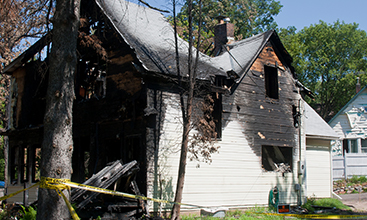

Imagine experiencing the trauma of a house fire. Then, you discover that your insurance claim might be denied. But do insurance companies deny fire claims regularly? It’s a valid concern.
The reality is, yes, insurance companies sometimes deny fire claims. Dealing with the aftermath is challenging enough without this added obstacle. However, understanding the reasons for denial can provide some clarity.
Get help with repairs, contracting, and insurance claims
I’m John Morgenstern, a licensed California Public Adjuster. If you need help with repairs, or contracting, or have questions about the insurance claims process, I’m here to guide you every step of the way. Call our 24/7 live emergency hotline now at 310-926-1737.
Common Reasons Why Do Insurance Companies Deny Fire Claims
- Common Reasons Why Do Insurance Companies Deny Fire Claims
- Actionable Steps to Prevent Claim Denials
- How a Fire Damage Claim Lawyer Can Help When Your Insurance Company Denies Your Claim
- Conclusion
Common Reasons Why Do Insurance Companies Deny Fire Claims
It’s a frustrating situation. Annually, wildfires in the U.S. cause roughly $16.5 billion in losses. With over 72 million homes at risk, understanding your insurance coverage is more critical than ever.
Knowing why your insurance company could deny your claim can offer valuable insights.
Insufficient Coverage
One major reason for claim denials is insufficient insurance coverage. You might assume you’re fully protected. But, do you know what to do when the property damage exceeds your policy limits?
Ensure your policy reflects your property’s current value. Are you prepared for a worst-case scenario?
Suspicions Around the Cause of the Fire
If there’s any hint of arson, expect a thorough investigation. Insurance companies will rigorously examine everything to rule out intentional acts. Any signs of arson, insurance claims can be significantly impacted.
This is understandable considering the potential for extensive property damage and evidence destruction in fires.
Withholding Key Information
Were you completely transparent when obtaining your policy? Failing to disclose information, whether major or minor, can lead to claim denial. For example, did you finally complete that home renovation?
Your insurance company needs to know everything relevant to the property. Pre-existing damage or prior claims are common examples of information homeowners fail to share.
Exclusions Buried in Your Policy
It’s common to sign a policy without thoroughly reading the lengthy contract. How many people truly examine these documents to identify specific exclusions? These are events and types of damage the insurance policies won’t cover, potentially leaving policyholders in a difficult situation.
Reading your policy allows you to understand your coverage fully.
Failure To Meet Requirements
Most insurance policies require certain actions, like installing working fire extinguishers or sprinkler systems. This is especially crucial in fire-prone regions like California.
If a claim denied situation occurs, are you aware of your policy’s requirements? Failure to implement safety measures may cause the insurance to deny claims.
When Values Don’t Match
A significant challenge for homeowners can arise when there’s disagreement on repair or reconstruction costs. Have you estimated these potential expenses?
Costs encompass not only materials and installation but also electrical, plumbing, painting, and landscaping. Insurance claim denials happen frequently for this reason.
Negligence as a Factor
If homeowner negligence caused the fire, recovering a financial claim becomes more difficult. Insurance companies expect diligence in fire prevention.
By considering this beforehand, you can avoid common fire hazards that many overlook. Negligent incidents, such as failing to maintain safety equipment, can provide grounds for insurance claim denials.
Missed Premium Payments
Keeping up with insurance premiums is crucial. It seems obvious that your home’s insurance premium is a priority payment. Even a single late payment increases your risk significantly.
Failure to pay premiums can lead to policy termination, resulting in no insurance cover at all. So lets cover how to avoid the claim denial altogether.
Actionable Steps to Prevent Claim Denials
Being proactive is extremely important. Many homeowners assume they have adequate coverage. It’s essential to take a thorough approach to protecting your investment.
Review your insurance policy diligently and make adjustments as your life and belongings change. This could be crucial when filing a damage claim.
| Action | Description | Why It Matters |
|---|---|---|
| Review Policy | Regularly check your policy terms and details. | Helps maintain proper insurance coverage. |
| Update Coverage | Adjust your coverage limits and additions as needed. | Matches current property value and needs to avoid a claim denied. |
| Document Everything | Keep photos, videos, and records of your belongings, including photographs. | Provides proof of belongings and their condition. |
| Maintain Safety | Install and regularly check smoke detectors and other safety measures. | Shows steps taken to prevent fires and can minimize damage. |
| Pay Premiums | Make insurance premiums payments on time. | Ensures continuous insurance cover and avoids policy cancellation. |
It is very important that the insurance claim process is easy. Here is more to be sure your bases are covered.
Conducting Detailed Documentation of All the Belongings Inside a Property
Have photo and video records readily available. These can support a proper valuation for loss and help you submit a robust damage insurance claim package.
Clear pictures and videos taken before any incident provide valuable evidence when insurance companies attempt to undervalue your claim. You may need to challenge an inadequate estimate to reach a fair settlement, and documentation supports a valid claim.
Comply with All Regulations
Meeting all regulations for your dwelling is another important rule. Ensure all installations and home modifications follow guidelines. But where’s the obvious starting point for a fire property damage claim?
It might even benefit your claim to meet or exceed these regulations. Prioritizing safety helps mitigate losses should the unexpected occur and supports good faith.
Proper Safety Measure Maintenance
Regular inspections could be the difference between full coverage and a low payout. Would you rather risk an unexpected incident or take steps to enhance protection?
Many face financial hardship due to insufficient attention to this aspect. The safety measures you’ve already invested in should be functional during an accident, to try and help the claims process go more smooth.
Communicate During Claims Investigation
Clear communication with insurance companies is essential for homeowners. For example, promptly respond to requests from inspection companies.
Do everything reasonably possible during an active fire-claim incident. Make sure that the insurance claims process goes well.
How a Fire Damage Claim Lawyer Can Help When Your Insurance Company Denies Your Claim
Knowing your rights allows for reasonable negotiations on claim compensation. The law supports homeowners and property owners affected by fires.
Attorneys also collect fire reports and police documentation. A law firm can also negotiate to resolve differences of opinion and secure fair financial compensation, so insurers deny less often. This alleviates stress for homeowners who have more pressing concerns during property loss.
When initial attempts for claim payments are unsuccessful, lawyers can file for compensation. Representing injured claimants, attorneys seek reasonable reimbursements as covered under the policy, while acting in good faith. A bad faith insurance claim can be the result of not doing things by the book.
Approximately 60 percent of burned structures are residences. These situations often require legal experts with knowledge of fire-claim payouts. They can often see through when an insurer unfairly assesses claims.
Conclusion
The prospect of a denied fire claim is daunting. However, increased awareness can better equip residents during a disaster. So, do insurance companies deny fire claims? Unfortunately, yes, it is a risk associated with insurance and protecting valuables.
However, property owners can take proactive steps to improve their chances of claim approval. Policyholder communication, compliance, awareness, and understanding of risks can provide peace of mind. These actions can safeguard financial costs when tragedy strikes unexpectedly, so be sure to stay insured if your policy is active, and file a claim submission timely.
Get help with repairs, contracting, and insurance claims
I’m John Morgenstern, a licensed California Public Adjuster. If you need help with repairs, or contracting, or have questions about the insurance claims process, I’m here to guide you every step of the way. Call our 24/7 live emergency hotline now at 310-926-1737.