Unveiling the Truth: Does Renters Insurance Cover Water Damage?
If you are a renter, the last thing you want is for your possessions to be damaged by water. But does renters insurance cover water damage? Without a thorough understanding of what exactly is and isn’t covered, it can be hard to know if the protection provided by renting insurance is worth it or not. That’s why we decided to shed some light on this topic and uncover the truth – Does renters insurance really offer claim for water damage? Read on as we discuss rental coverage when it comes to floods, burst pipes, plumbing repairs and more!
An Overview of Renters Insurance
Renters insurance is a type of property insurance that provides coverage for a policyholder’s belongings, liabilities, and possibly living expenses in case of a loss event. It’s designed to protect tenants from the risk of potentially devastating expenses due to unexpected events like fire, theft, or water damage. This insurance primarily covers three areas: personal property, liability, and additional living expenses (ALE). Personal property coverage helps pay to replace belongings, such as furniture, clothing, and electronics, that are stolen or damaged by a problem covered by the policy. Liability coverage protects you if someone is injured in your rented property and decides to sue, while ALE covers additional costs you incur if your rental becomes uninhabitable due to a covered event. Understanding these basic provisions is key to knowing whether or not your renters insurance provides adequate protection against water damage.
Water Damage Insurance
What Does Renters Insurance Cover, and What Doesn’t It Cover
In terms of water damage, most renters insurance policies typically cover the damage caused by unexpected and accidental incidents, such as burst pipes, malfunctioning appliances, or a roof leak. If a pipe unexpectedly bursts in your rental and damages your personal property, the personal property coverage in your renters insurance policy could help pay to repair or replace your damaged items. Furthermore, if the rental becomes uninhabitable due to this water damage, your policy’s ALE coverage can help pay for additional living expenses.
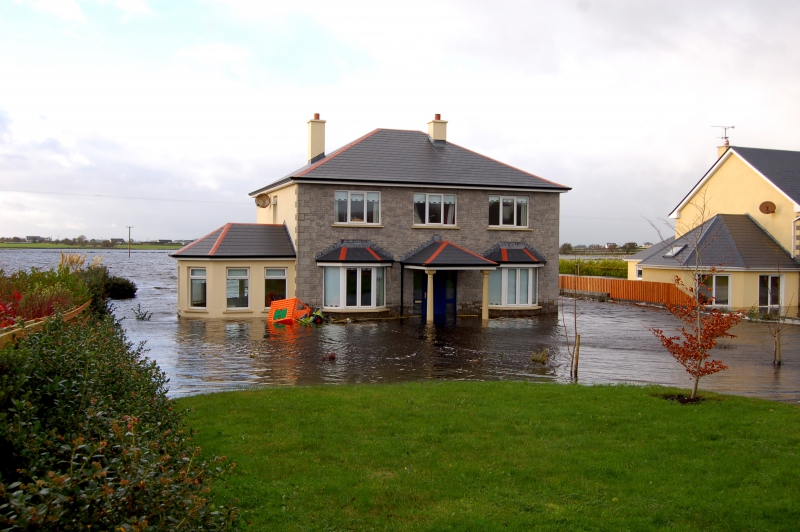
However, it’s crucial to note what renters insurance does not cover. Generally, it does not cover water damage caused by floods, surface water, or water from backed-up sewers or drains. These types of water damage are considered separate perils and require specific flood insurance or endorsements. Additionally, wear and tear or neglect resulting in water damage, such as ignoring a leaky pipe that eventually causes damage, are not covered. Understanding these limitations can help you evaluate whether your renters insurance offers the protection you need against water damage.
Does Renters Insurance Cover Water Damage
To answer the question succinctly: Yes, renters insurance does cover water damage, but with exceptions. As we’ve mentioned, renters insurance typically provides coverage for water damage caused by sudden and accidental incidents like burst pipes or appliance malfunctions. However, it does not extend to cover damage from floods, surface water, or water backing up from sewers or drains. Nor does it cover damage resulting from negligence or general wear and tear. So, while renters insurance offers some level of protection against water damage, it’s critical to understand its limitations and, if necessary, consider additional coverage options like flood insurance to fill any gaps.
Common Causes of Water Damage in a Rental Home
Water damage in rental homes can happen due to a variety of causes:
- Plumbing Issues: Leaks from pipes, faucets, or plumbing fixtures can result in significant water damage if not detected and repaired promptly.
- Appliance Malfunctions: Appliances like dishwashers, washing machines, and refrigerators can malfunction and cause water leaks.
- Roof Leaks: Damaged or old roofing can allow rainwater to seep into the home, damaging ceilings, walls, and belongings.
- Natural Disasters: Events such as heavy rains, hurricanes, or floods can result in severe water damage.
- Sewer Backup: Sewer or drainage pipe blockages can cause wastewater to flow back into the property.
Understanding these common causes can help you take preventive measures and minimize the risk of water damage in your rental home. Remember, renters insurance can provide coverage for certain types of water damage, but not all. Therefore, it’s essential to thoroughly understand your policy and consider additional coverage if necessary.
Steps to Take After Suffering Water Damage
If you suffer water damage in your rental property, it’s important to take immediate action to mitigate the damage and navigate through your water damage insurance claim process effectively:
- Safety First: Ensure the area is safe before you enter. Water can make surfaces slippery and can cause electrical appliances to pose a shock hazard.
- Document the Damage: Take photographs or videos of the affected area and damaged items. This visual evidence will be useful when filing your insurance claim.
- Notify Your Landlord: Inform your landlord or property manager about the incident as soon as possible. Depending on the extent of the damage, they may need to arrange for immediate repairs.
- Contact Your Insurance Company: Report the incident to your insurance company promptly. Provide them with a detailed explanation and any evidence you have of the damage.
- Save Damaged Items: If possible, keep damaged items for inspection by the insurance adjuster. However, don’t put your health at risk – if items are contaminated by sewage water, for instance, discard them safely.
- Start the Cleanup Process: Once you have documented the damage and contacted your insurance company, begin the cleanup process. This may involve removing water, drying out the area, cleaning, and disinfecting. You may need to hire professionals for this step, particularly if the water damage is extensive or involves contamination.
- Follow Up on Your Claim: Stay in touch with your insurance company to track the progress of your claim. You might need to provide further information or documents, so maintaining open communication is key.
Remember, the specific steps you take may vary depending on your situation and the terms of your renters insurance policy. Always refer to your policy document and consult with the insurance company and a water damage public adjuster if you’re unsure.

Rental Home Damage Insurance
How to Prevent Future Water Damage in Your Rental Home
To minimize the risk of future water damage in your rental home, consider implementing the following strategies:
- Regular Maintenance: Regularly inspect your appliances, plumbing fixtures, and pipes for any signs of leaks or malfunctions. Address any issues immediately to prevent small leaks from turning into major water damage.
- Consider a Leak Detection Device: Leak detection devices can alert you to water leaks before they become a significant issue. There are various types of detectors available, including those that send alerts to your smartphone.
- Be Mindful of Seasonal Changes: Seasonal weather changes can lead to water damage. For instance, in the winter, pipes can freeze and burst. Be sure to insulate your pipes and pay attention to weather forecasts.
- Clean Gutters Regularly: If you’re responsible for maintaining the exterior of your rental, make sure the gutters are cleaned regularly to prevent water from overflowing and causing damage.
- Notify Your Landlord of Issues: If you notice issues such as a leaky roof or a malfunctioning sump pump, notify your landlord immediately. It’s their responsibility to address these issues promptly.
By being proactive and vigilant, you can significantly reduce the risk of water damage in your rental home, potentially saving you time, money, and stress in the long run.
Water damage can happen in any rental home, and it’s essential to understand how your renters insurance policy can help protect you. However, it’s also crucial to be aware of its limitations and consider additional coverage options if necessary. By understanding common causes of water damage and taking steps to prevent future incidents, you can minimize the risk and potential impact of such an event. If you do experience water damage, taking immediate action and following proper procedures can help in your insurance claim process. With the right knowledge and proactive measures, you can protect yourself and your rental home from the potential consequences of water damage.
https://www.google.com/maps?cid=11943182435691765299