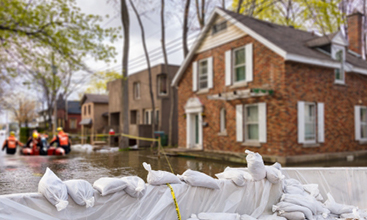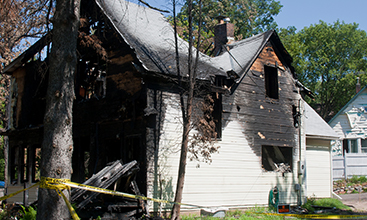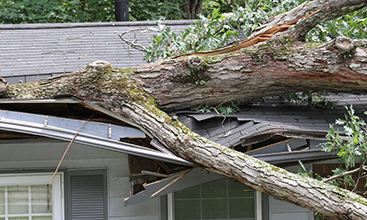

Ever found yourself in a dispute with your insurance company over the value of a damaged property or the cost to rebuild after a house fire? You are not alone. This is where an insurance appraiser comes in.
This might bring to question what they exactly do and why they’re important in settling insurance claims. An insurance appraiser helps find middle ground. They provide an independent evaluation that can help settle disagreements between the insurance company and the insured item’s owner.
Get help with repairs, contracting, and insurance claims
I’m John Morgenstern, a licensed California Public Adjuster. If you need help with repairs, or contracting, or have questions about the insurance claims process, I’m here to guide you every step of the way. Call our 24/7 live emergency hotline now at 310-926-1737.
Table Of Contents:
- The Role of the Insurance Appraiser
- What Insurance Appraisers Evaluate
- Working Through the Appraisal Process
- Getting Ready to Be an Insurance Appraiser
- Conclusion
The Role of the Insurance Appraiser
The main job of an insurance appraiser is to give an unbiased assessment of property damage. They do this in an attempt to come up with an accurate value for the property loss. This professional steps in when there’s a disagreement on a claim’s value.
The goal of an appraisal is to get an unbiased view from a pro on your stuff’s worth and what kind of hit it took. Their input is key for reaching an agreement that makes sense for both the insurance provider and the person who holds the insurance policy.
How the Process Starts
Most property insurance policies include what is referred to as an appraisal clause. When a policyholder and an insurance company disagree on a settlement they invoke an appraisal clause. If you or your insurance company decides an appraisal is required, a formal, written request kicks things off.
Differences may appear when reviewing the range of damage. Once initiated both you and the insurance firm then select an unbiased and skilled appraiser.
Choosing Impartial Experts
Choosing the right appraiser matters a lot. Both parties involved must pick someone competent for the role of appraiser. These experts need to be neutral.
They must also possess a deep understanding of the kind of property they’re evaluating. This method makes sure the valuation is fair.
Each side gets a say in finding a professional who is impartial to help everyone get to common ground, so it builds trust in how insurance claims are settled.
What Insurance Appraisers Evaluate
Insurance appraisers check out different types of property. They work to figure out how much a loss is really worth. They may look at houses, cars, and even businesses that have experienced physical loss.
Basically, an insurance appraiser needs to evaluate many things when it comes to assessing insurance claims. They figure out how much things are worth by gathering relevant data on the lost or damaged assets. They’re checking every detail to determine value.
Think damaged equipment, unique collectables, specific parts of a building, personal possessions inside of a house. All these different examples help explain why there are varying types of property insurance appraisers out there.
Assessing Damage: Properties
When properties suffer damage, insurance appraisers take action. They evaluate the extent of the damage and determine the necessary repairs. For buildings, such as those affected by natural disasters, the process is crucial.
Examining the Damage
Appraisers inspect structural issues, assess any loss of value, and establish the claim. The costs of restoration can vary greatly.
Going Beyond Basic Property Damage
It isn’t just about the structure with homes or the car body. An insurance appraiser considers everything lost inside too.
Appraisers think about items you’ve gathered over the years, like prized pictures, memorabilia, special collections. They check the damage to any furniture.
They also figure out the value lost when, for example, your grandad’s stamp collection is no more.
Working Through the Appraisal Process
After choosing appraisers, they start their independent evaluation. They might look at pictures and police records, depending on what happened.
They will speak with those who witnessed events first-hand. Appraisers typically evaluate photographs to help.
Teamwork and Final Decisions
Once assessments are done, both appraisers get together. They discuss the property loss from their point of view. If they disagree, an insurance umpire steps in to make a binding decision.
This is where things might get a bit tricky if the loss is massive. It’s meant to make the settlement fair without dragging things out forever in court battles.
However, prices can jump if complex cases demand more digging, with the costs of hiring someone going up, potentially to about $10,000 or higher, for bigger challenges. So deciding whether or not appraisal matches financial sense could need careful weighing up beforehand based mostly on what you anticipate an expert could say, against current sums presented from insurance adjusters.
A Table Outlining Some of the Responsibilities
| Responsibility | Description |
|---|---|
| Inspecting damage | Appraisers visit locations where property was damaged or destroyed by events, or for personal assets as part of making up lost item inventories following burglaries, or if disputes come up later on settlements initially reviewed remotely via evidence such like imagery, where a reexamination becomes needed given challenges received claiming values proposed may not feel adequate. |
| Claims investigation | Checking if an insurance policy covers what’s been claimed as lost or damaged to begin the process before looking into any detail further financially |
| Deciding compensation amounts | Figuring out an amount of how much money the insurance firm should provide, after considering everything about the issue, following rules provided, along guidelines specific to the insured items or property in agreement discussions, is needed on pricing calculations when things do happen affecting cover available substantially during situations. |
| Negotiating Settlments | Working closely between insured parties, insurer, and other needed representatives at the settlement level so payout resolution and acceptance agreements can go ahead without lengthy legal complications arising. This comes at last stages once evaluation details that were fully agreed upon come by a valuation decision outcome reached officially via a neutral party final view if there is any issues. |
Getting Ready to Be an Insurance Appraiser
For those considering a future as a property damage specialist in the area of an insurance appraiser, some requirements exist. You’ll generally need, at minimum, your high school diploma or the equivalent.
Getting further schooling through specific credentials might give better prospects for this work route, depending upon jurisdictions governing practices you operate within along alongside insurers plus private client instructions.
Formal School Education Needs Beyond High School.
A field related associate’s, or bachelor’s qualification—like something in business—often supports work role duties for complicated circumstances insurance appraisers take over frequently to settle issues amicably.
Learning stuff about protection policies during degree level education and training is valuable.
Gaining Experience and Other Credentials
Hands-on roles help you gain useful skills and understand how things works. Learning opportunities may be had as an intern with qualified appraisers before registration too in places.
Working under direction boosts learning early career skills as knowledge keeps getting built day-to-day. Certain associations such as the Insurance Appraisal and Umpire Association (IAUA) offer specialized training and credentials.
Completing approved courses in the different property categories for becoming better supports appraisal jobs, even further ahead.
Meeting California RegulationsLicensing is often a requirement. The criteria vary by location and area.
California’s Insurance RegulationsIn California, insurance appraisers must comply with state regulations. The California Department of Insurance (CDI) sets the rules and guidelines for insurance appraisers.
Getting Licensed in California
To become a licensed insurance appraiser in California, individuals must meet the CDI’s requirements. This includes passing a licensing exam, which can be booked online through a testing service provider.
State Oversight
Appraisers must also be vetted by the CDI, which ensures they meet the state’s standards. This includes verifying their credentials and ensuring they comply with California’s insurance laws.
Conclusion
An insurance appraiser helps sort out what insurance should provide when there’s a dispute on amounts. They look closely at what’s been damaged to fairly judge a loss.
Understanding their position clears up much in terms of claim issues if something arises involving insurance policies. As long as things exist with economic significance for people when unexpected disruptions come suddenly through adverse factors, skilled loss measurers such as property value insurance experts must continue advising both insurers while aiding customers fairly.
Get help with repairs, contracting, and insurance claims
I’m John Morgenstern, a licensed California Public Adjuster. If you need help with repairs, or contracting, or have questions about the insurance claims process, I’m here to guide you every step of the way. Call our 24/7 live emergency hotline now at 310-926-1737.