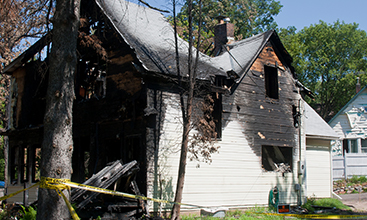
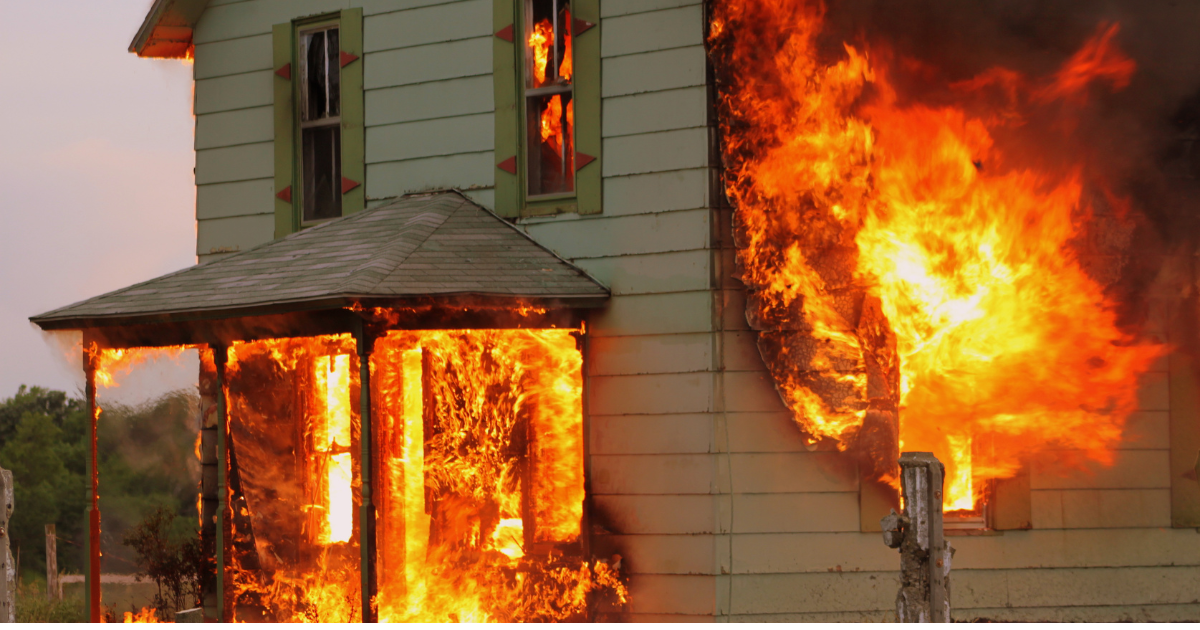
Imagine returning home to discover your house on fire. It’s a horrifying scenario, yet it’s a harsh reality for many people. Navigating the aftermath of a fire is incredibly stressful, but having fire damage insurance can provide vital support and financial assistance.
Understanding fire damage insurance is critical when the unthinkable happens. Knowing where to begin helps immensely.
Get help with repairs, contracting, and insurance claims
I’m John Morgenstern, a licensed California Public Adjuster. If you need help with repairs, or contracting, or have questions about the insurance claims process, I’m here to guide you every step of the way. Call our 24/7 live emergency hotline now at 310-926-1737.
Table Of Contents:
- Understanding Your Homeowners Insurance Policy
- What Types of Fires Are Covered?
- What Does Fire Damage Insurance Not Cover?
- Filing a Fire Damage Insurance Claim
- Cost of Fire Damage Repairs
- Preventing House Fires
- What Happens When The Unexpected Occurs
- Additional Coverage Options
- Choosing the Right Insurance
- Conclusion
Understanding Your Homeowners Insurance Policy
Most standard homeowners insurance policies include built-in coverage for fire damage. This typically covers property damage resulting from a fire, encompassing various losses.
This protection generally includes your belongings, temporary lodging, and meal expenses. However, the coverage has limits.
Coverage often include costs when your home is uninhabitable following a fire. Insurance covers temporary housing, like hotels, and other necessities.
Dwelling Coverage
Dwelling coverage plays a vital role in managing fire damage claims. This coverage assists in paying for repairs or the complete rebuilding of your home’s structure after such an event.
The coverage is not limited to the main house. Structures like detached garages, sheds, and fences are usually protected under this provision as well.
Personal Property Coverage
What about your possessions inside the house? Personal property coverage is specifically for them. This part of your homeowners policy helps with replacing items like furniture, electronics, and clothing destroyed in a fire.
Consider securing additional coverage for valuable items. This offers enhanced protection for high-value possessions, such as jewelry.
Loss of Use Coverage
What if you cannot live in your home? Loss of use coverage helps with expenses while the home gets fixed. If your home requires extensive repairs or rebuilding, this coverage helps with expenses.
These living expenses generally include essential needs. Think of costs like rent or meals while you can’t live in your home.
Personal Liability Coverage
What happens if someone gets hurt on your property? Personal liability coverage becomes very important. This insurance offers protection against legal claims.
Personal liability might cover legal expenses. This protection is important when dealing with lawsuits arising from accidents or incidents, including fire damage.
What Types of Fires Are Covered?
Standard homeowners insurance policies usually provide broad fire protection. Here’s a look at how policies generally handle these incidents.
Accidental Fires
Homeowners insurance typically covers damage from most accidental fires. Coverage applies regardless of the cause.
Accidental fires include cooking accidents, and faulty wiring problems. Even an incident with a fireplace may be covered.
Electrical Fires
Electrical fires occurring unexpectedly are commonly covered. These fires can stem from different sources.
However, insurance companies may refuse a claim if poor maintenance caused the fire. This denial can be due to repairs or upkeep you performed yourself.
Chimney Fires
Chimney fires are usually covered. Especially if your chimney and fireplace receive regular annual maintenance.
Always review your specific insurance documents for exact coverage details. Neglecting regular maintenance can affect your claim.
What Does Fire Damage Insurance Not Cover?
Knowing your insurance might not pay if they believe the fire wasn’t accidental is important. Insurance companies can deny claims for intentional damage caused by the homeowner.
Fire damage insurance isn’t limitless in its scope. Wildfires are a growing concern, particularly in regions like California.
Arson
If arson damages your home, and you are responsible, it’s unlikely you’ll be compensated. Insurance providers typically do not pay for this.
Intentionally setting the fire is generally the reason for claim denial. Each arson case is assessed individually.
Wildfires
In 2022, the Congressional Research Service recorded 68,988 wildfires. These natural events have increased. From 2013-2022, data shows an annual average of 61,410 wildfires, impacting approximately 7.2 million acres each year.
NOAA reported over 61,000 wildfires affected more than 8.8 million acres nationwide.
Filing a Fire Damage Insurance Claim
If a fire occurs, you must promptly document the losses. Photographing and video recording the damage are crucial initial steps.
Carefully noting every item lost is also wise. It helps provide a comprehensive record for your claim.
Document the Damage
Once it’s safe, thoroughly document your property’s condition with photos and videos. Keep a detailed list of all items lost. Doing this is beneficial.
More thorough documentation typically makes the claim process easier. More documentation will really streamline the fire damage claim process.
Restoration experts can sometimes restore severely damaged items. Address this as well.
Secure Your Property
The damage doesn’t always end when the fire is extinguished. Other issues can arise because of it.
Soot and smoke can linger and even spread. Contacting a fire damage restoration company immediately is important. They can address affected items, hopefully preventing further issues.
Insurance typically covers initial expenses. Always be mindful of interactions and communications.
Living Expenses
When a home requires substantial repairs, residents often need temporary housing. Policies generally cover these essential costs. These often are lodging, clothing, meals, and toiletries. You might receive upfront funds.
Alternatively, meticulously record all expenses for later reimbursement. Keeping receipts is critical.
File the Claim
Initiate your claim by contacting your insurer promptly. An adjuster from the insurance carrier will then visit to assess the damage firsthand.
Your provider is supposed to follow up after you submit. The timing, however, may vary.
Restoration Estimate
After claim approval, get a repair estimate from a professional contractor. The insurance provider may offer guidance. And they often recommend a preferred restoration specialist.
It should be a contractor that you also trust. This phase is critically important.
Cost of Fire Damage Repairs
How do the costs work out after such a devastating event? Home Advisor states repair costs can range from $3,137 to a substantial $51,541. They’ve determined the median cost across the country to be around $27,258.
These numbers naturally depend on the severity of the damage. Factors such as materials, location, and contractor fees play a crucial role.
| Expense Category | Average Cost Range | Description |
|---|---|---|
| Minor Repairs | $3,137 – $10,000 | Includes smoke damage cleanup, small area repairs, and odor removal. |
| Moderate Repairs | $10,000 – $27,258 | Covers partial reconstruction, multiple room repairs, and content cleaning. |
| Major Repairs | $27,258 – $51,541+ | Involves extensive structural repairs, full home restoration, and significant content replacement. |
Preventing House Fires
It is wise to minimize the risk. Let’s review some important considerations.
Smoke Alarms
Functional smoke detectors are vital in all homes. The National Fire Protection Association advises installing smoke alarms inside and outside sleeping areas, and on every level of your house.
Test smoke alarms monthly.
Establish an escape plan for the entire household to follow if a fire starts. This should be practiced regularly.
Be Mindful of Heat Sources
Exercise caution when grilling outdoors, especially on decks, as this is a frequent cause of fires. Unplug appliances, particularly space heaters, if any issues are detected.
Fires can ignite quickly. Cooking is a significant cause, accounting for nearly half of all home fires, according to NFPA data.
Maintaining an organized kitchen may seem straightforward, but it’s critical. Consistent vigilance is crucial for preventing problems. Is your home’s wiring outdated?
What Happens When The Unexpected Occurs
Air fryers are so popular and a growing source of home damage. Insurance claim data indicates average costs exceeding £29,555 UK pounds in 2024 due to malfunctions with these devices.
Placing these devices on stoves, that are accidentally turned on, causes a significant amount of claims.
Always double-check that cords are not near any hot surfaces to prevent deterioration. Recent claim studies highlight these risks. Studies like Censuswide, focused on modern cooking methods, show the importance of adhering to the manufacturer’s instructions, particularly since these appliances generate considerable heat.
Additional Coverage Options
Basic homeowners policies provide essential coverage. However, certain homes might need extra protection beyond the standard limits. Consider the value of your possessions. Safeguarding them might require additional financial protection or reimbursement for replacements and repairs.
This is extra levels of insurance coverage if needed. It is based on your careful assessment.
Choosing the Right Insurance
When selecting your homeowner’s policy, carefully assess the risks with your insurance provider.
Are wildfires or other major disasters prevalent in your area? It helps to think of those questions.
Adequate insurance coverage is very important. Your property, and valuable possessions. And even covering temporary accommodations will provide some peace of mind. Proper policy cover offers reassurance after a destructive event.
Seeking comprehensive coverage while avoiding overspending is prudent. Addressing unexpected issues arising from such events provides vital security.
Conclusion
Recovering from a home disaster, like a fire, can seem impossible. Knowing the available steps for rebuilding offers solace, particularly when dealing with your insurance claim. Understanding the entire process, from initial loss to rebuilding after the damage. All damage includes from fire-related issues.
It helps to get additional help to guide you. The support is from initial reporting to the involvement of insurance.
Insurance companies help insured individuals navigate the post-disaster period effectively, from start to finish of the claim. This support makes the rebuilding process more manageable and organized, offering guidance every step of the way with your fire damage insurance. Proper fire damage insurance policies are critical.
Get help with repairs, contracting, and insurance claimsI’m John Morgenstern, a licensed California Public Adjuster. If you need help with repairs, or contracting, or have questions about the insurance claims process, I’m here to guide you every step of the way. Call our 24/7 live emergency hotline now at 310-926-1737.