Facing the aftermath of a house fire is incredibly tough, but knowing the right fire damage restoration tips can make all the difference. This article gives you a practical, step-by-step plan for recovery. You’ll gain insights on getting your property and life back on track after a fire.
The scale of destruction from fire damage can be immense. In 2020 alone, the US saw $21.8 billion in property losses due to fire, as noted in the NFPA report. It’s vital to start the damage restoration process without delay to mitigate further issues.
Get help with repairs, contracting, and insurance claimsI’m John Morgenstern, a licensed California Public Adjuster. If you need help with repairs, or contracting, or have questions about the insurance claims process, I’m here to guide you every step of the way. Call our 24/7 live emergency hotline now at 310-926-1737.
Table Of Contents:
Safety First: Before You Re-Enter
It might seem obvious, but hold off entering your fire-damaged property until fire authorities confirm it’s safe. Hazards like unstable structures, exposed wiring, and lingering toxic fumes could still be present. This will help protect yourself and prevent any additional problems.
Once safety is confirmed, contacting your insurance company is critical. Starting the claims process promptly provides resources for the recovery process.
Fire Damage Restoration Tips: Immediate Steps
Securing your property is the next step. Board up any broken windows or doors, and consider roof tarps if there is roof damage.
This action prevents additional water intrusion or unwanted visitors. It’s like creating a protective shell around your home. These first steps protect your investment.
Assessing the Scope of the Damage
A thorough damage assessment of fire, smoke, and water damage is crucial. Fire damage can affect structural elements like load-bearing walls and beams.
Qualified restoration professionals can identify potential safety concerns beyond the surface. It’s not just about visible charring; smoke damage residues also cause problems. The water used to put out the flames can lead to further issues, such as mold growth.
Experienced specialists can distinguish between different classes of fire.
Understanding Fire Classes and Their Impact
Different materials burn differently, leading to specific restoration challenges. Here’s a closer look at some categories:
| Fire Class | Fuel Source | Restoration Challenges |
|---|---|---|
| Class A | Ordinary combustibles (wood, paper, cloth) | Ashy residue, potential structural weakening, debris removal |
| Class B | Flammable liquids (gasoline, oil) | Greasy residue, potential for deep staining, requires specialized cleaning agents |
| Class C | Electrical fires | Potential for wiring damage, continued hazard, requires careful inspection and repair |
| Class F | Cooking oils and fats | Thick, stubborn residue, potential for strong odors, may require specialized cleaning |
Understanding fire classes helps in the restoration project. This guides whether items can be restored or if reconstruction is necessary.
The Detailed Fire Damage Cleanup Process
Now, let’s discuss specific strategies. We’ll focus on what soot and smoke removal involves.
Soot and Smoke Removal: Tackling the Unseen
Smoke doesn’t just stain surfaces. Smoke particles infiltrate every crack and crevice, causing lasting odors and long-term damage. Smoke damaged areas require a very detailed approach.
Soot is similarly persistent. Start by vacuuming loose soot with a HEPA-filter vacuum, then follow with dry cleaning sponges for any remaining residue.
Cleaning soot from walls is difficult, but a dilution of common household chemicals can help. The American Red Cross suggests combining 4 to 6 tablespoons of tri-sodium phosphate (TSP), 1 cup of household cleaner or chlorine bleach, and a gallon of warm water. Always test this cleaning solution in an inconspicuous area first.
For fabrics that smell of smoke, but don’t show damage, add one tablespoon of pure vanilla extract to a cold water laundry cycle. Always follow care labels and instructions. Professional smoke damage restoration might be required for delicate items.
Water Damage Mitigation: An Essential Component
Fires are often extinguished with large amounts of water. You may face significant water damage restoration needs.
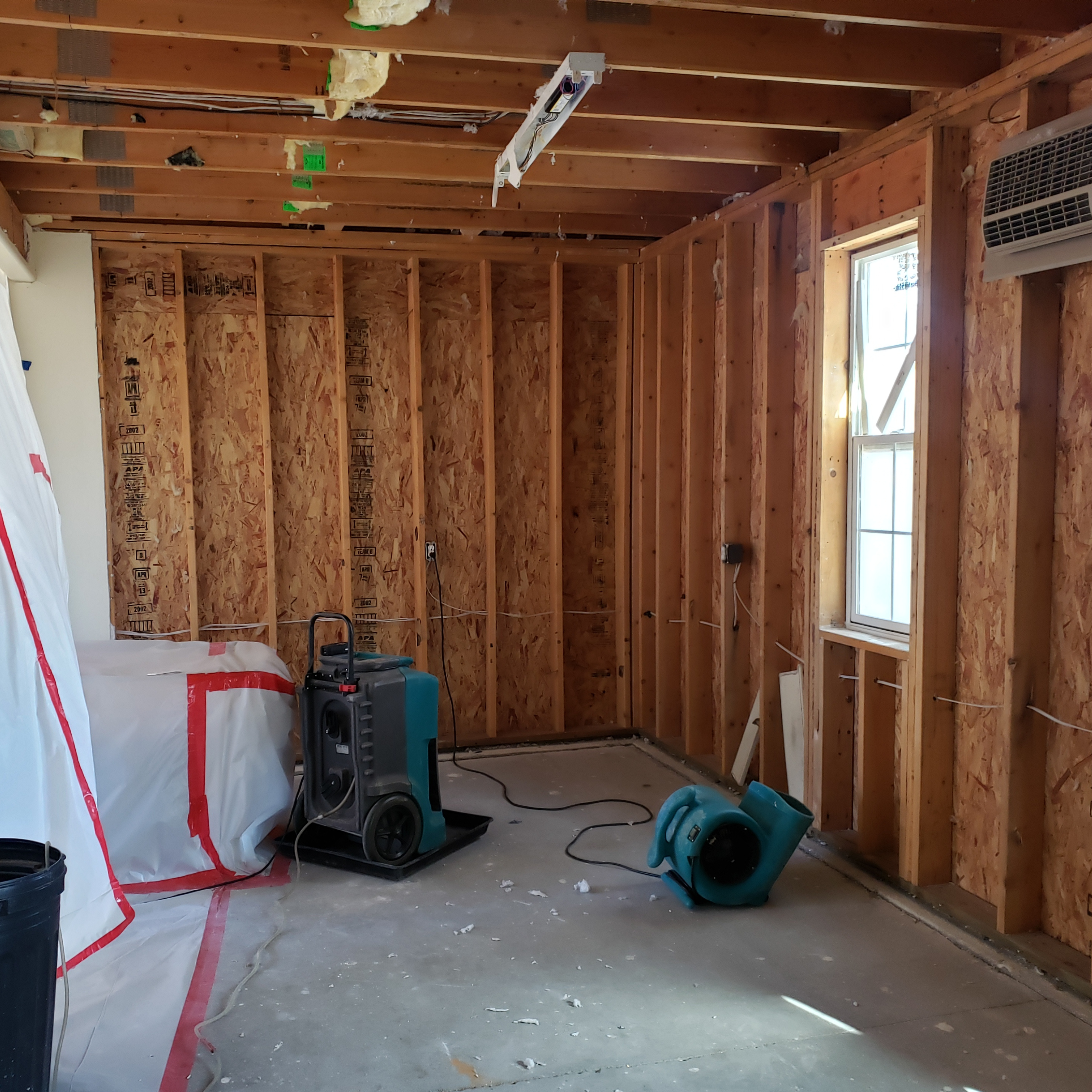
Standing water must be removed immediately. Industrial-grade dehumidifiers and air movers can start the drying process. Without prompt drying, mold growth can occur within 24-48 hours.
Materials like soaked drywall and insulation often require removal and replacement, for structural integrity according to the American Red Cross. Mold can negatively impact air quality and pose health risks.
Dealing with Odors: Beyond Surface Cleaning
Lingering smoke odors are not just unpleasant; they could indicate harmful particles. Start by airing out the property. Then, consider more intensive methods.
Professional-grade ozone generators or thermal fogging can neutralize stubborn odors. These methods target odor molecules within walls and other materials. These tools will significantly improve the indoor environment.
Choosing the Right Restoration Company
Fire damage restoration is specialized. You need restoration professionals with proper training and extensive experience.
Look for companies with certified technicians. The Institute of Inspection Cleaning and Restoration Certification (IICRC) sets industry standards. Their knowledge is essential for restoring fire-damaged properties.
What To Look for in a Fire Damage Restoration Company
Seek transparency in all the contractor’s work. This includes having clear contracts and open communication. Ask about their typical project timeline for a fire damage situation like yours, as it might vary based on location and specific needs.
Prioritize contractors with documented expertise and certifications in your area. Check for proper liability insurance and local licensing. Also consider if they have experience working with insurance companies on insurance claims, and consider partnering with a public adjuster to ensure a smooth and successful claims process.
Insurance Claims: Document Everything
Your insurance policy is crucial during this difficult time. Getting the insurance paperwork correct is essential.
Document all damage with photos and detailed lists. Save receipts for temporary lodging and other related expenses, keeping accurate records for the claims process. Your insurance company may offer advances to help with initial costs.
Common Pitfalls to Avoid
Many people make unintentional mistakes that impact their claims. It often comes down to these errors:
- Don’t throw away damaged personal items before your adjuster inspects them.
- Be cautious about signing contracts without fully reviewing and understanding all the details.
- Make sure you understand what is covered and what is excluded in your policy.
- Professional restoration is needed sometimes for certain situations.
Maintain proactive communication with your insurance company. Be patient; the process can take time and involve considerable paperwork.
Rebuilding and Restoration
Once cleanup, stabilization, and insurance paperwork are underway, you can focus on rebuilding. The extent of work can range from minor repairs to major reconstruction, depending on the severity of the damage.
When to Rebuild vs. When to Replace
Some items, particularly building materials with significant damage, are best replaced. Charred wood may have lost structural integrity. Replacing flooring, damaged drywall, or compromised support beams is often necessary.
However, high-value items might be restorable. A specialized furniture restorer could salvage cherished pieces. Consider professional cleaning for items exposed to smoke.
Estimating Rebuilding Costs
Major fire damage can result in significant costs. The exact expense depends on factors like property size and building materials.
Use online cost estimators as a starting point, such as free tools. Discuss your budget and get rebuilding options from your contractor. Be sure to explore all potential costs.
Fire Damage Restoration Tips & Prevention
After a fire, preventing future incidents is a top priority. Incorporate long-term safety measures into your routine.
- Routinely check smoke detectors, and replace batteries as needed. It’s a basic but critical step in preventing another fire.
- Develop a fire safety plan to protect occupants, especially when seconds matter.
- Cooking accidents are a common cause of fires.
- Practice extra caution in the kitchen and have fire extinguishers readily available.
- Consider installing a sprinkler system if your budget allows.
- Remove any debris that could fuel another event.
- For older homes, have your electrical systems inspected.
The National Fire Protection Association (NFPA) provides many safety resources.
Conclusion
Fire damage is disruptive and distressing, but recovery is achievable. Use these fire damage restoration tips, to guide you. Taking things step-by-step restores not just your property, but also your peace of mind.
Get help with repairs, contracting, and insurance claimsI’m John Morgenstern, a licensed California Public Adjuster. If you need help with repairs, or contracting, or have questions about the insurance claims process, I’m here to guide you every step of the way. Call our 24/7 live emergency hotline now at 310-926-1737.