Water damage can be a homeowner’s worst nightmare, especially when it’s lurking beneath your feet. Slab leak detection is a crucial skill for both homeowners and professionals to master. These hidden leaks can wreak havoc on your property, leading to skyrocketing water bills and potentially catastrophic foundation damage if left unchecked. Did you know that according to the Survey of Construction on the Characteristics of New Housing, 63.2 percent of newly constructed single-family homes in 2019 have slab foundations? With such a high percentage of homes built on concrete slabs, understanding the ins and outs of slab leak detection is more important than ever.
Get help with repairs, contracting, and insurance claimsI’m John Morgenstern, a licensed California Public Adjuster. If you need help with repairs, or contracting, or have questions about the insurance claims process, I’m here to guide you every step of the way. Call our 24/7 live emergency hotline now at 310-926-1737.
Table Of Contents:
Understanding Slab Leaks: The Silent Menace
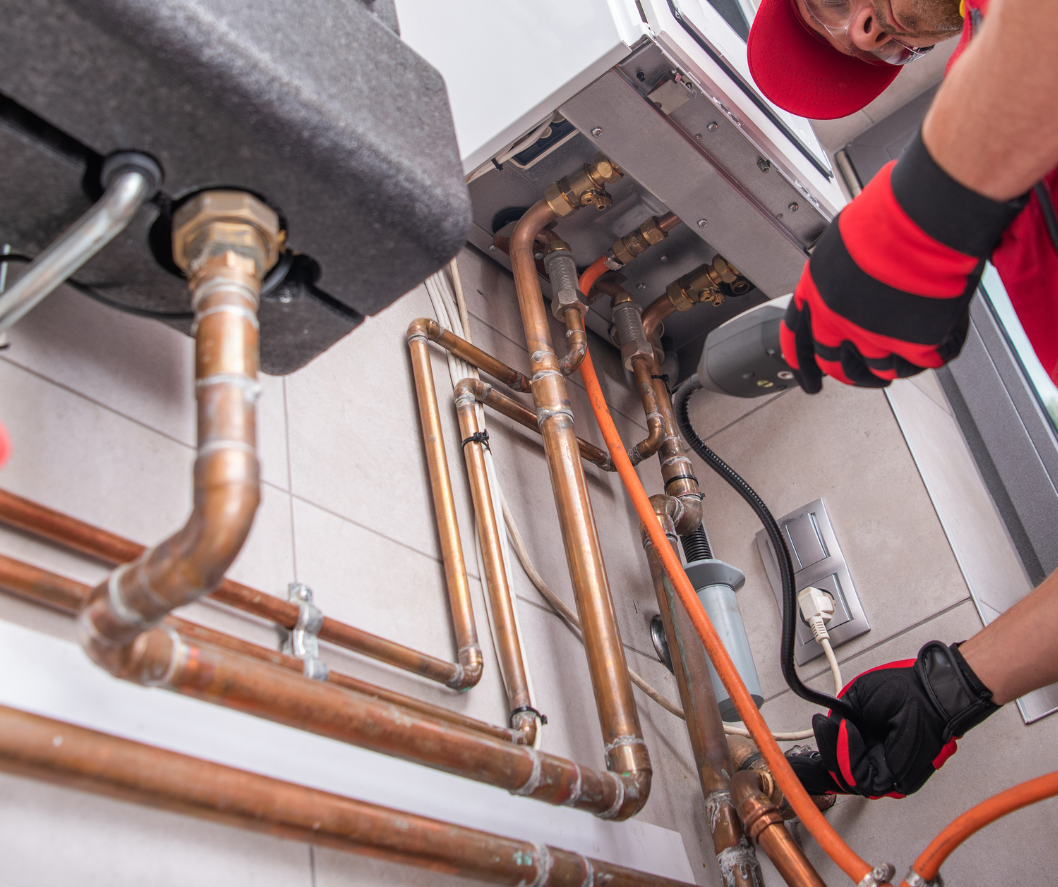
Slab leaks occur when pipes embedded in or under your home’s concrete foundation develop a leak. These leaks can be particularly insidious because they’re often out of sight and difficult to detect without specialized equipment. If you had x-ray vision, you’d see copper water lines connected at manifolds, each routed to different fixtures in your home. Over time, these pipes can corrode, shift, or become damaged, leading to leaks that slowly erode your foundation and rack up your water bills.
Common Causes of Slab Leaks
Several factors can contribute to the development of slab leaks: 1. Soil Shifting: Even if you don’t live in an earthquake-prone area, poor construction or soil erosion can result in heaving and shifting soil, putting stress on your pipes. 2. Corrosion: Chemical reactions between the soil and your pipes can lead to corrosion over time. 3. Water Pressure: High water pressure can cause pipes to wear out faster, especially at joints and bends. 4. Poor Installation: Improperly installed pipes are more likely to develop leaks as they age.
Signs of a Potential Slab Leak
Detecting a slab leak early can save you thousands in repair costs. Here are some telltale signs to watch out for:
1. Unexplained Increase in Water Bills
If your water usage hasn’t changed but your bills are climbing, it could be a sign of a hidden leak. Keep a close eye on your monthly statements and investigate any unusual spikes.
2. Sound of Running Water
Do you hear the sound of water running even when all faucets are turned off? This could indicate a leak somewhere in your plumbing system, possibly under the slab.
3. Warm Spots on the Floor
For hot water line leaks, you might notice warm spots on your floor. Walk around barefoot and pay attention to any areas that feel unusually warm.
4. Cracks in Walls or Floors
As water from a slab leak erodes the soil beneath your foundation, it can cause settling, leading to cracks in your walls or floors.
5. Damp Carpets or Warped Hardwood
Moisture from a slab leak can seep up through your flooring, causing carpets to feel damp or hardwood to warp and buckle.
DIY Slab Leak Detection Methods
While professional leak detection is often necessary for pinpointing the exact location of a slab leak, there are some steps you can take to confirm your suspicions:
1. The Meter Test
This simple test can help you determine if you have a leak somewhere in your system: 1. Turn off all water-using appliances and fixtures in your home. 2. Locate your water meter and check its position. 3. Wait for 30 minutes without using any water. 4. Check the meter again. If it has moved, you likely have a leak.
2. Pressure Test
A pressure test can help identify leaks in your water supply lines: 1. Shut off the main water valve to your home. 2. Attach a pressure gauge to an outdoor spigot. 3. Open the spigot to release pressure, then close it. 4. Monitor the pressure gauge for 30 minutes. 5. If the pressure drops significantly, you may have a leak.
Professional Slab Leak Detection Techniques
When it comes to pinpointing the exact location of a slab leak, professional plumbers have a range of high-tech tools at their disposal:
1. Acoustic Leak Detection
Specialized listening devices can amplify the sound of water escaping from pipes, even through concrete. This non-invasive method allows plumbers to locate leaks without damaging your property.
2. Thermal Imaging
Thermal water leak detection uses infrared cameras to detect temperature differences caused by leaking water. This method is particularly effective for finding hot water line leaks.
3. Video Pipe Inspection
For sewer line leaks, plumbers can insert a small camera into your pipes to visually inspect for damage or blockages.
4. Tracer Gas Detection
In some cases, plumbers may use non-toxic, non-flammable gases to pressurize your plumbing system. Special detectors can then pinpoint where the gas is escaping, indicating the location of the leak.
Slab Leak Repair Options
Once a slab leak has been detected, you have several repair options to consider:
1. Spot Repair
For small, localized leaks, a plumber may be able to access the damaged pipe through a small hole in your floor or wall, minimizing damage to your home.
2. Re-piping
In cases of extensive damage or older plumbing systems, re-piping may be necessary. This involves replacing all or part of your plumbing system, often rerouting pipes through walls or ceilings to avoid future slab leaks.
3. Pipe Lining
For some types of leaks, plumbers can use epoxy pipe lining to create a new pipe within the existing one, sealing leaks without the need for extensive excavation.
4. Slab Leak Repair Cost
The cost of repairing a slab leak can vary widely depending on the extent of the damage and the chosen repair method. According to Forbes, slab leak repair costs can range from $500 to $4,000 or more. In some cases, if your foundation needs leveling due to water damage, you might be looking at an additional $1,000 to $3,000 on average.
Preventing Future Slab Leaks
While you can’t always prevent slab leaks, there are steps you can take to minimize your risk: 1. Regular Plumbing Inspections: Have a professional plumber inspect your system annually to catch potential issues early. 2. Water Pressure Regulation: Ensure your home’s water pressure isn’t too high, which can strain your pipes. 3. Water Softening: If you have hard water, consider installing a water softener to reduce mineral buildup in your pipes. 4. Quality Materials: If you’re building a new home or re-piping, invest in high-quality, corrosion-resistant pipes. 5. Proper Installation: Always use licensed, experienced plumbers for any plumbing work to ensure proper installation.
Conclusion
Slab leak detection is a critical skill for homeowners and plumbing professionals alike. By understanding the signs of a slab leak and knowing when to call in the experts, you can catch these hidden menaces before they cause extensive damage to your home and wallet. Remember, when it comes to slab leak detection and repair, early intervention is key. Don’t ignore the signs – a small investment in detection today could save you thousands in repairs tomorrow.
Get help with repairs, contracting, and insurance claimsI’m John Morgenstern, a licensed California Public Adjuster. If you need help with repairs, or contracting, or have questions about the insurance claims process, I’m here to guide you every step of the way. Call our 24/7 live emergency hotline now at 310-926-1737.