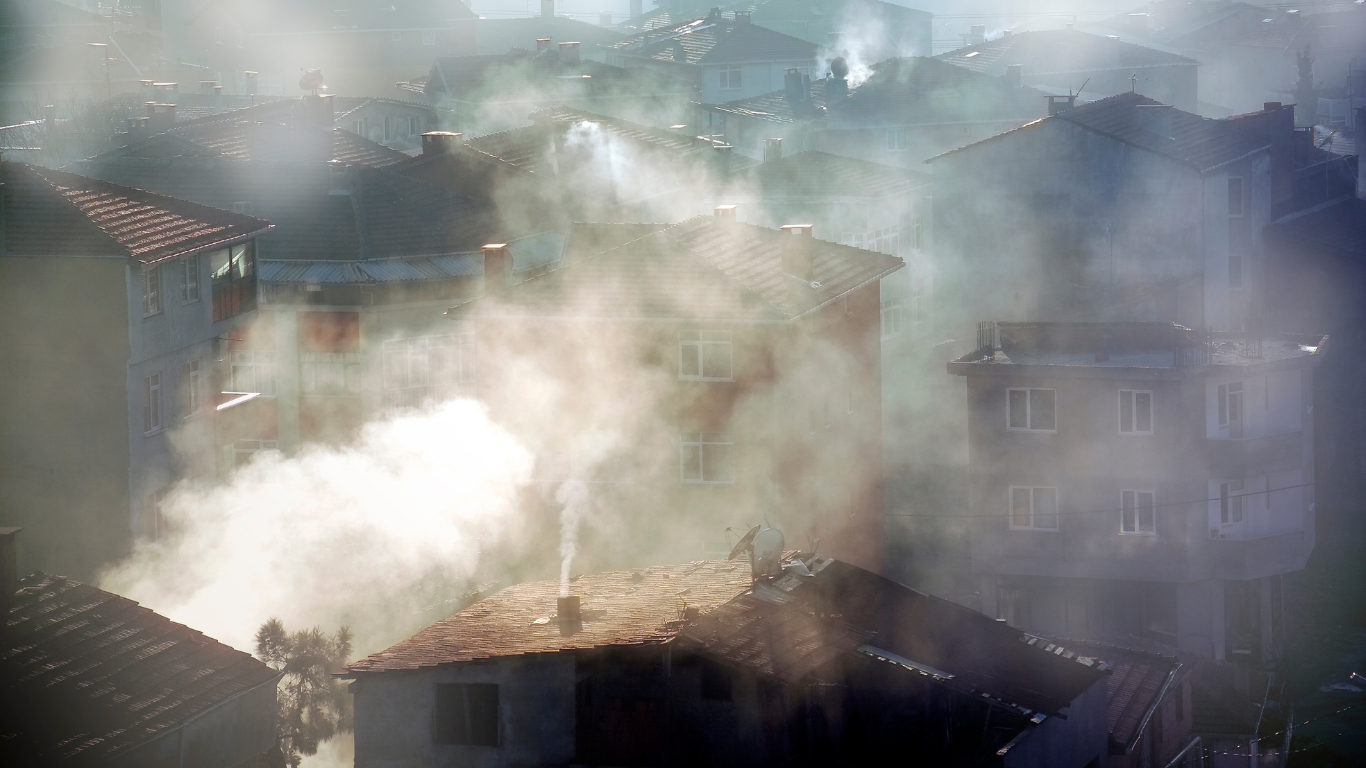
Wildfires, house fires, even a seemingly small kitchen mishap can leave your property coated in soot and a pervasive smoky smell. Many property owners may think smoke damage insurance is straightforward, but this is not always the case.
Dealing with the aftermath can be stressful. Knowing how your damage insurance works is crucial for cleaning, repairs, and replacement.
This guide breaks down the essentials, helping you navigate the process.
Get help with repairs, contracting, and insurance claims
I’m John Morgenstern, a licensed California Public Adjuster. If you need help with repairs, or contracting, or have questions about the insurance claims process, I’m here to guide you every step of the way. Call our 24/7 live emergency hotline now at 310-926-1737.
What Smoke Damage Insurance Typically Covers
- What Smoke Damage Insurance Typically Covers
- Decoding Your Insurance Policy Coverage
- The Claims Process
- After the Fire: Taking Action
- Maximizing Compensation and Getting Things Resolved
- Conclusion
Table of Contents
Smoke damage can manifest in ways you don’t initially notice. It’s the discoloration, where your once-pristine walls may now sport shades of yellow or brown.
Soot is that stubborn black residue that clings to every surface it touches. This includes items like walls, studs, and even wall-to-wall carpeting.
The lingering odors are more than just a nuisance. They can seep into fabrics, furniture, and every nook and cranny of your home, reminding you of what you have been through.
Structural Damage
Your home’s structure, the bones of your dwelling, is usually covered under what’s known as “dwelling coverage.” Think of it as the core protection for the physical building itself.
Smoke and soot are not just unsightly. Over time, they can cause structural damage, weakening materials and potentially creating more problems in the long term.
This is a key area where your homeowners insurance comes into play.
Personal Property
This is where your personal belongings come into play. Smoke damage insurance typically extends to items affected by smoke within your home, like area rugs, clothing, curtains, and furniture.
Think about that soot clinging to your curtains. Payment for damaged personal rugs, clothes, and so on comes from your contents coverage.
Your policy should outline the specifics of this coverage.
Hidden Damage
One aspect that often causes confusion is hidden damage. Smoke can sneak into the spaces you don’t see every day – HVAC systems, wall cavities, and insulation, spreading contamination far beyond the immediately visible areas.
This hidden damage is why experts might use things like swab testing. Industrial hygienists collect samples for a lab analysis for the best process to correct things.
This thorough approach helps uncover the full extent of the damage.
Corrosion is a concern with metal fixtures and electronics. Smoke’s acidic nature can really do a number on these, making it important to have these inspected and potentially replaced.
Proper assessment will reveal any hidden issues with wiring or other components. Addressing them protects your safety.
Health Hazards
Smoke damage goes beyond the visible and structural; there are potential health hazards to worry about. These particles can get deep into your respiratory system and potentially cause a number of irritations.
Proper cleaning of smoke damage involves making sure your indoor environment is safe, using processes like cleaning interior surfaces. It’s not just about looks; it’s about creating a safe living space, once more.
This often requires specialized cleaning techniques and equipment.
If you find yourself moving back in before feeling completely confident, consider getting a certified air cleaner. At a bare minimum this step may bring peace of mind,.
Improving the air quality is essential for your family’s health and well-being.
Decoding Your Insurance Policy Coverage
While smoke damage is typically covered by homeowners insurance, it’s so important to check your individual insurance policy. Make sure you review limits, deductibles, and whether you might have specific provisions for smoke.
This will help you understand the extent of your coverage.
Some policies have limitations on coverage or even sub-limits. You may be looking for coverage in damage claims caused by a wildfire, and in high-risk places that have less protection available.
Some insurance companies have restricted smoke damage investigations. This can include coverage limits and the scope of what your specific insurer will evaluate in property claims.
Be aware of any exclusions or limitations that might apply to your situation.
Policy Limits, Deductibles, and Exclusions
Pay special attention to your policy limits. This is the maximum amount your insurer will pay out.
Your deductible is the amount you’re responsible for paying out of pocket before the insurance coverage takes over. Exclusions are those specific situations, or “perils,” your policy just won’t cover.
Understanding these details is crucial for managing your expectations.
Navigating Claims in High-Risk Wildfire Areas
If you live in an area known for wildfires, check if your standard policy covers this adequately. Major insurance companies have actually pulled out of these fire-prone regions completely.
One thing to check for are endorsements. These added layers give your insurance an extra level of protection, addressing specific regional needs.
| Endorsement Type | What It Covers |
|---|---|
| Extended Replacement Cost | Provides additional coverage (usually a percentage above policy limits) if rebuilding costs exceed your dwelling coverage. |
| Ordinance or Law Coverage | Covers costs to rebuild up to current building codes, which may be higher after a disaster than when your home was built. |
| Inflation Guard | Automatically adjusts your dwelling coverage limit to keep up with inflation, preventing you from being underinsured. |
| Water Damage Coverage | Covers any water damage, especially that from firefighting efforts to put out flames. |
The Claims Process
As soon as you can, after the initial shock, get in touch with your insurance provider. This step starts your damage insurance claim process.
They will guide you through the initial steps and provide necessary forms. Make sure to start this quickly.
Carefully document smoke damage with videos and photos, with a detailed list. Note what each one looks like, and the best guess you have for the estimated value of these personal property losses.
If things have been disrupted in your day-to-day life, get any documentation you need. Things like cleaning supplies and materials for temporary repairs should all be accounted for.
Keep receipts for all expenses related to the smoke damage.
Cooperating With Your Insurance Company
Your insurance will likely send an insurance adjuster to inspect your property, and that is normal. It’s part of their process to figure out the extent of the covered losses.
Keep records. This goes for interactions you have – the date, who you spoke with, and the conversation summary.
This documentation can be helpful if any disputes arise later.
Working with a Public Adjuster
Here’s where understanding your options makes a difference. While the insurance adjuster is working for your insurance company, remember you have your choice too.
Consider hiring a public adjuster. A public adjuster works only for you to protect your property and understand how to navigate things. They will make the difference in valuing a claim properly.
They can help you get a fair settlement for your claim.
A public adjuster is not always needed for simple, straightforward claims. For complicated cases with damage claims over $10,000, a public adjuster could be the path forward for the proper cleaning for ash, odor, and corrosion.
Experienced public adjusters bring their knowledge to the table, advocating on your behalf.
After the Fire: Taking Action
Document as soon as you can, not only visible impacts but also for possible effects like health problems. If you, or anyone in your household, sees the doctor for breathing problems or anything similar, mention those.
Take photos and keep track. The aftermath of fire leaves a lot of potential mess for damage caused by the events.
Keep detailed records of any medical expenses or treatments received.
Get clear photographs and do an initial check of damage to personal belongings. This helps you to show what may have occurred.
Documenting and Assessing Smoke Damage
When filing a claim, try and get independent reports done. Restoration specialists will be looking at different things for the whole picture in a detailed damage claim.
Experts can figure out those particulates in the air. It is easy to see the visible damage, but experts know what and how to inspect particles left.
These reports can provide valuable evidence to support your claim.
Getting multiple cost estimates ahead of time is always a smart idea, even with a vendor from the carrier. Understand where costs come from in getting soot cleaned up properly, as part of documenting.
This helps ensure you receive a fair settlement that covers all necessary repairs and cleaning. Certified industrial hygienists should check the property.
Seeking Help Beyond Your Insurance Company
If there’s a federally declared disaster involved, the Federal Emergency Management Agency (FEMA) is a key point of contact. You can reach them at 800-621-3362 or by visiting www.fema.gov.
They can provide additional assistance and resources.
You could also reach out to the American Red Cross for help and resources, including temporary shelter if you’ve been displaced. Contact the Red Cross at 800-733-2767 or find them online at www.redcross.org.
For consumer protection on broader financial matters, such as issues with a private mortgage lender, get in touch with the FTC. You can visit www.ftc.gov or reach them at 877-382-4357.
Maximizing Compensation and Getting Things Resolved
Knowing where you might have disagreements with your insurance company is half the battle in smoke damage insurance. While insurance usually covers cleaning smoke and ash that are in plain view, problems surface quickly.
Problems emerge when talking about replacing items instead of simple cleaning. One challenge is dealing with potential hidden particulates inside your property.
A key is working with professionals that will assess damage including hidden.
Some estimates of smoke damage repair will only consider what can be seen at a glance. Surface cleaning estimates may appear at only a few hundred dollars and those six figure prices for fixing deep concerns within a property.
That is a big difference, requiring very careful documentation and review of things.
Document the Damage and Losses
To begin, the critical evidence is getting as much as you can through pictures, videos, receipts, and anything else that makes it easy to follow. A paper trail of property claims creates a better negotiation path, but you should politely remind people of your policy’s legal duty.
Be a careful observer. Walk around the home and give a close assessment to places smoke may not be initially obvious.
These observations are to identify cleaning, damage to contents, air conditioning systems, structural concerns, and other types of coverage loss. Be sure to check areas that are easily overlooked, such as attics and crawl spaces.
Create detailed reports and summaries to include: surface level cleaning needed, the cost to get a pre-loss condition return of the property, and the potential repair cost. Factor things like corrosion and potential structural, along with air quality hazards, while factoring a solid and fair damage insurance assessment value.
Work with the insurance adjuster, and if needed, an independent reputable public adjuster, to ensure you have a good solution.
Conclusion
Smoke damage insurance, from its impact and claims to your own well-being, comes with potential stress. Take all necessary safety measures seriously, using an insurance claim filing when needed.
Keep great records in addressing the impact of any cleaning, repair, or replacement steps. Smoke damage is far more than merely soot to be cleaned; it also has a real emotional toll to all property owners.
Always understand your insurance coverage and steps needed to receive any claims in restoring property. From visible damage to dealing with an insurer, there are important considerations every step in making sure smoke damage insurance meets standards and need.
Get help with repairs, contracting, and insurance claims
I’m John Morgenstern, a licensed California Public Adjuster. If you need help with repairs, or contracting, or have questions about the insurance claims process, I’m here to guide you every step of the way. Call our 24/7 live emergency hotline now at 310-926-1737.