Facing water damage in your home can be a massively stressful experience. You’re likely worried about your belongings, the structure of your house, and the water damage insurance claim process. Here are some solid water damage insurance claim tips.
Knowing how to navigate this process is essential for a fair settlement. Sometimes we don’t even know how the insurance side of it works. These water damage insurance claim tips will help you get back on your feet.
Get help with repairs, contracting, and insurance claims
I’m John Morgenstern, a licensed California Public Adjuster. If you need help with repairs, or contracting, or have questions about the insurance claims process, I’m here to guide you every step of the way. Call our 24/7 live emergency hotline now at 310-926-1737.
Table of Contents:
- Understanding Your Homeowners Insurance and Water Damage
- Take Immediate Action When Water Damage Happens
- Filing Your Water Damage Insurance Claim Tips
- Working with Contractors and Adjusters
- Long-Term Prevention Strategies
- Conclusion
Understanding Your Homeowners Insurance and Water Damage
Many assume that all types of water damage are covered. However, standard homeowners insurance policies have specific criteria for what they will and won’t cover.
Typically, sudden and accidental water damage is covered by insurance. Think of a burst pipe, a malfunctioning appliance, or an overflowing toilet.
What Water Damage IS Usually Covered By Insurance?
Here are a few instances of what your insurance should cover.
- Sudden Plumbing Issues.
- Appliance Malfunctions: washing machines or dishwashers suddenly breaking.
- Leaking Roof From Storms.
- Ice Dams.
- Vandalism.
What May NOT Be Covered
Gradual damage is usually a different situation. For instance, damage from a slow leak that you neglected will typically not get coverage.
- Negligence: If you did not properly maintain a leaky roof.
- Gradual Damage: Damage from long term issues. Home insurance policies don’t cover damage that occurs gradually over time.
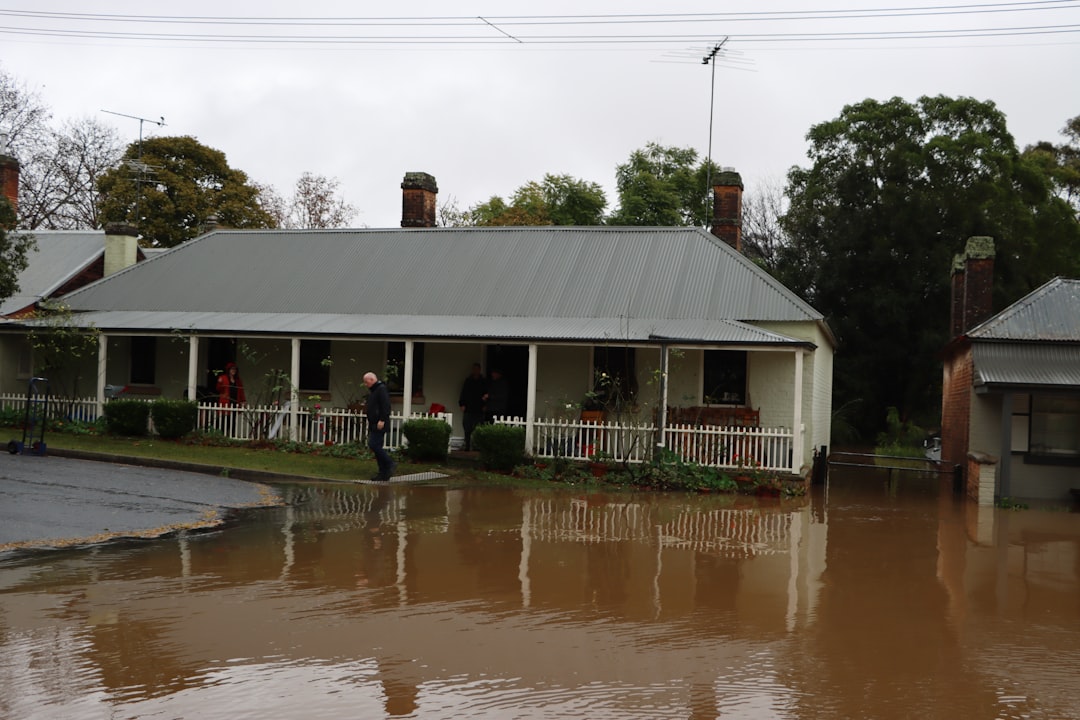
- Flood Damage: Damage from a natural flood will require a separate flood insurance policy through programs like the National Flood Insurance Program (NFIP).
- Sewage Backup: Damage from a backed up sewage will likely not be covered without special endorsements.
- Earth Movement: If earth movements result in damage, you may not get covered on that. Damage from earth movement, is often excluded.
It might feel overwhelming when first looking at it all. Understanding the details of it all can help significantly in how to handle all the costs.
Take Immediate Action When Water Damage Happens
The moment you notice water damage, quick action is vital. First, you’ll need to determine if it’s something that is covered by your homeowners insurance policy.
Turn off the water source, whether that’s a specific valve or the main water shut-off for your entire home. Knowing how to shut off water supply valves can save you tons of heartache.
Then you need to contact your insurance company, especially as there can be costs like those discussed at Metapress.com, when thinking through costs to anticipate.
Start the Documentation Process
Grab your phone and start taking pictures and videos. Be as thorough as possible, documenting every affected area and item. This could help in covering issues such as those when you’re facing heavy rain causing problems for your home such as issues detailed on Forbes.com.
This documentation is essential for your water damage insurance claim. Also, this includes anything, like needing protection for your landscape discussed on GutterHelmetIndy.com, since you can often be reimbursed for that.
Do not discard damaged possessions before the insurance adjuster’s inspection. This proof can directly impact your payout.
Mitigate Further Issues
Insurance companies often need you to prevent additional damage. This could include simple steps like moving undamaged items to a safer location.
You may have to temporarily patch up the home from further damages too. It is key to make sure things like this do not turn into worse things over time.
Mold can start growing very rapidly, often between 24-48 hours according to FEMA. Getting things mitigated fast should prevent even further problems, including potential health risks, in the near future.
Filing Your Water Damage Insurance Claim Tips
Immediately after discovering water damage, report it to your insurance company. Many insurance policies require claims to be filed within a specific timeframe, often just days after the damage occurs.
Your prompt reporting is needed for compliance. It is also necessary for speedy resolutions.
There are some key details that the insurance agent will typically want you to have as well:
- The Date that damage was identified.
- Description of the damages.
- Photos and video documentation.
Understanding Your Settlement Offer
Your insurance company will probably give you a settlement offer for the loss after completing their assessment. They frequently determine a value and depreciate the values depending on things such as the age of an appliance.
Say you put new cabinets in and they totaled $20,000 almost 15 years ago. The insurance payout you may get might come with reduced amounts due to how old it is and how much depreciation has hit your property.
More information on the actual cash values vs replacement values is covered by Trusted Choice. Some settlements will come with a “depreciation holdback”.
This situation can be hard to navigate and know the correct options. However, understanding more can give some clearer answers to challenging issues.
Working with Contractors and Adjusters
Getting repair quotes can also be a bit of a learning curve in itself. Be ready to contact a variety of professional contractors to ensure quality of work, including water damage restoration specialists if needed.
After all of this is assessed, there might be a scenario you don’t agree with your insurance adjuster’s assessment. Get repair quotes from a couple of providers, just to compare the data against it.
An insurance adjuster’s task involves calculating costs accurately. They do so in assessing the scope of repair work necessary for situations just like yours.
Considering a Public Adjuster or Attorney
Dealing with an insurance claim can be tricky, especially if there’s disagreement about the cause of damage, extent of the damage, or your coverage limits.
Public adjusters specialize in representing policyholders. These professionals can often level the playing field, as well as many issues for homeowners who may not know various types of home claims for situations.
| Item | Original Price | Age/Years | Depreciated Value | ACV Reimbursement | RCV Reimbursement |
|---|---|---|---|---|---|
| Cabinets | $20,000 | 15 | 40% | $12,000 | $20,000 |
| Roof | $15,000 | 10 | 30% | $10,500 | $15,000 |
If your settlement is based on Actual Cash Value, the difference will significantly change your payout. The total difference in coverage in the table alone equals almost $13,000 dollars.
An attorney is needed if there’s an accusation that your insurance company is acting in bad faith. They’re useful if you end up in disagreement between values such as discussions around actual cash value (ACV) and replacement cost value (RCV).
Long-Term Prevention Strategies
While dealing with the current situation is crucial, thinking long-term about how to prevent future claims is just as important. Water damage claims have been consistently high and data has even shown it beat out by wind and hail damage resulting in frequent property damage cases to homeowner insurance plans.
Performing routine home maintenance will limit your risk. If in a flood-prone area, check options around obtaining insurance via the National Flood Insurance Program.
Think about all your appliances and if there may be things that have aged. Another aspect to monitor could be the surrounding areas of the property too; for instance, if soil is built up more on the surrounding property, it might lead to long term issues over time.
Conclusion
Facing water damage is a stressful situation that requires prompt and thoughtful handling. If you take immediate action to cut off the damage source, you should also start documenting what happened.
Thoroughly gathering those will allow for quicker responses with your insurance agents too. Make sure you’re prepared to deal with the insurance company, to understand what a policy covers, and to negotiate as necessary for an effective recovery. This includes retaining professional services to potentially help.
These steps will give proper support. By following through on all of these steps on water damage insurance claim tips will help a lot.
Get help with repairs, contracting, and insurance claims
I’m John Morgenstern, a licensed California Public Adjuster. If you need help with repairs, or contracting, or have questions about the insurance claims process, I’m here to guide you every step of the way. Call our 24/7 live emergency hotline now at 310-926-1737.